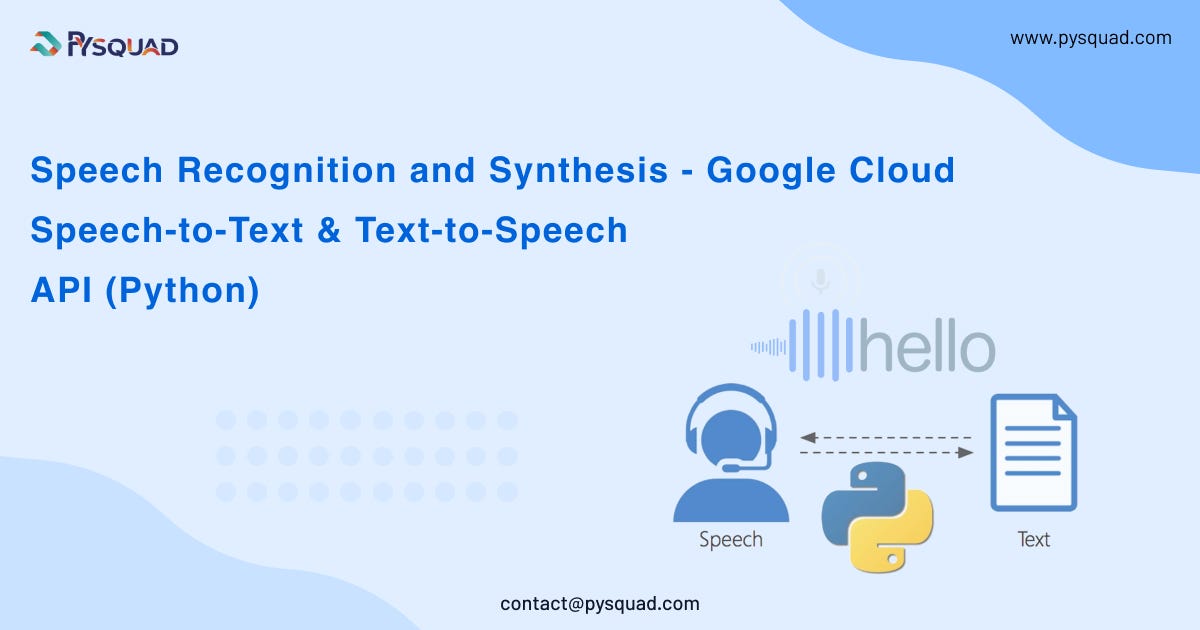
Speech Recognition And Synthesis From Google What Is It

Okay, let’s be real for a second. You’re probably reading this while yelling “Hey Google, set a timer for pizza” or mumbling “OK Google, what’s the weather?” into your phone w...
Okay, let’s be real for a second. You’re probably reading this while yelling “Hey Google, set a timer for pizza” or mumbling “OK Google, what’s the weather?” into your phone while still half-asleep. We’ve all been there. And honestly? It’s kind of magical. But have you ever stopped to wonder what’s actually happening inside that little Google-shaped brain? Let’s pull back the curtain on Speech Recognition And Synthesis from Google — and yes, it’s way cooler than just a fancy game of “Simon Says.”
First up, speech recognition. This is the part where your device actually understands your slurred, coffee-deprived morning voice. Google’s system doesn’t just hear sounds; it decodes them. Think of it like a super-accurate, slightly judgmental friend who repeats back what you said. It uses deep learning—which is just a fancy way of saying “lots of computer training”—to match your voice patterns to words. And the crazy part? It gets better the more you talk. So if you have a thick accent or a habit of saying “um, like, literally,” it learns your quirks. It’s like having a personal translator who’s also your biggest fan.
Now, speech synthesis is the opposite magic trick. That’s when Google talks back to you. You know that calm, slightly robotic voice that tells you “Turn left in 200 meters”? That’s synthesis. But it’s not just one voice. Google’s WaveNet technology (cute name, right?) creates crazy natural speech. It doesn’t just stitch together pre-recorded words. No, no—it generates sound waves from scratch, adding pauses, breaths, and even a little bit of emotion. It’s so good that sometimes you forget you’re talking to a machine. Sometimes. Until it mispronounces your friend’s name and you both laugh.
Must Read
So what’s the secret sauce? Google combines both these systems into a giant, cloud-powered brain. When you say, “Hey Google, play my 90s hip-hop playlist,” your voice goes to the cloud, gets decoded, and then a synthesized voice says, “Okay, shaking off the rust from your dancing days.” It’s a two-way street of listening and talking, all in under a second. And it’s free. Which honestly feels like hacking reality, right?
But let’s be honest—it’s not perfect. Sometimes it hears “send an email to Aunt Linda” and sends a text to your boss saying “I want a bag of chips.” Awkward. But that’s the charm of tech done right: it’s a work in progress, and we’re all part of the beta test. Google keeps refining these models, training them on millions of hours of speech, so that one day your phone will understand you even when you’re mumbling into a pillow at 2 a.m. (We’ve all been there, too.)
 Speech Recognition using Wit.ai
Here’s the uplifting part, my friend: you are not just talking to a screen. You’re having a conversation with a system that’s learning to listen—really listen. Google’s speech tech is breaking down barriers for people who can’t type, helping non-native speakers communicate, and even giving a voice to those who’ve lost theirs. It’s not just about pizza timers and weather queries. It’s about connection. And the next time you say “Hey Google, tell me a joke,” and it cracks a terrible pun about a chicken crossing a road, smile. Because you just participated in a tiny, incredible miracle of human and machine working together. And that’s something worth talking about.
So go ahead. Talk to your phone. Ask it for the meaning of life (spoiler: it’ll probably say “42”). And remember: even when it gets things wrong, the fact that it can is already pretty darn awesome. Now, if you’ll excuse me, I need to ask Google why my cat is staring at the wall again. Wish me luck.