Smells Bees Hate

Welcome to the wonderfully weird world of scents that send bees buzzing in the opposite direction. If you love spending time in your garden, hosting backyard barbecues, or sim...
Welcome to the wonderfully weird world of scents that send bees buzzing in the opposite direction. If you love spending time in your garden, hosting backyard barbecues, or simply enjoying a peaceful afternoon on the patio, you’ve probably had a few uninvited, striped guests turn your relaxation into a nervous dance. The good news? You don’t need harsh chemicals or a hazmat suit to keep bees at a polite distance. Instead, you can enlist the power of smell. This article isn’t about harming our vital pollinators—it’s about creating gentle, aromatic boundaries that keep everyone happy, including you. The purpose here is practical harmony: you get to enjoy your lemonade without a bee in it, and the bees get to find more appealing flowers elsewhere. The advantage? You become a master of your environment using nothing more than everyday scents.
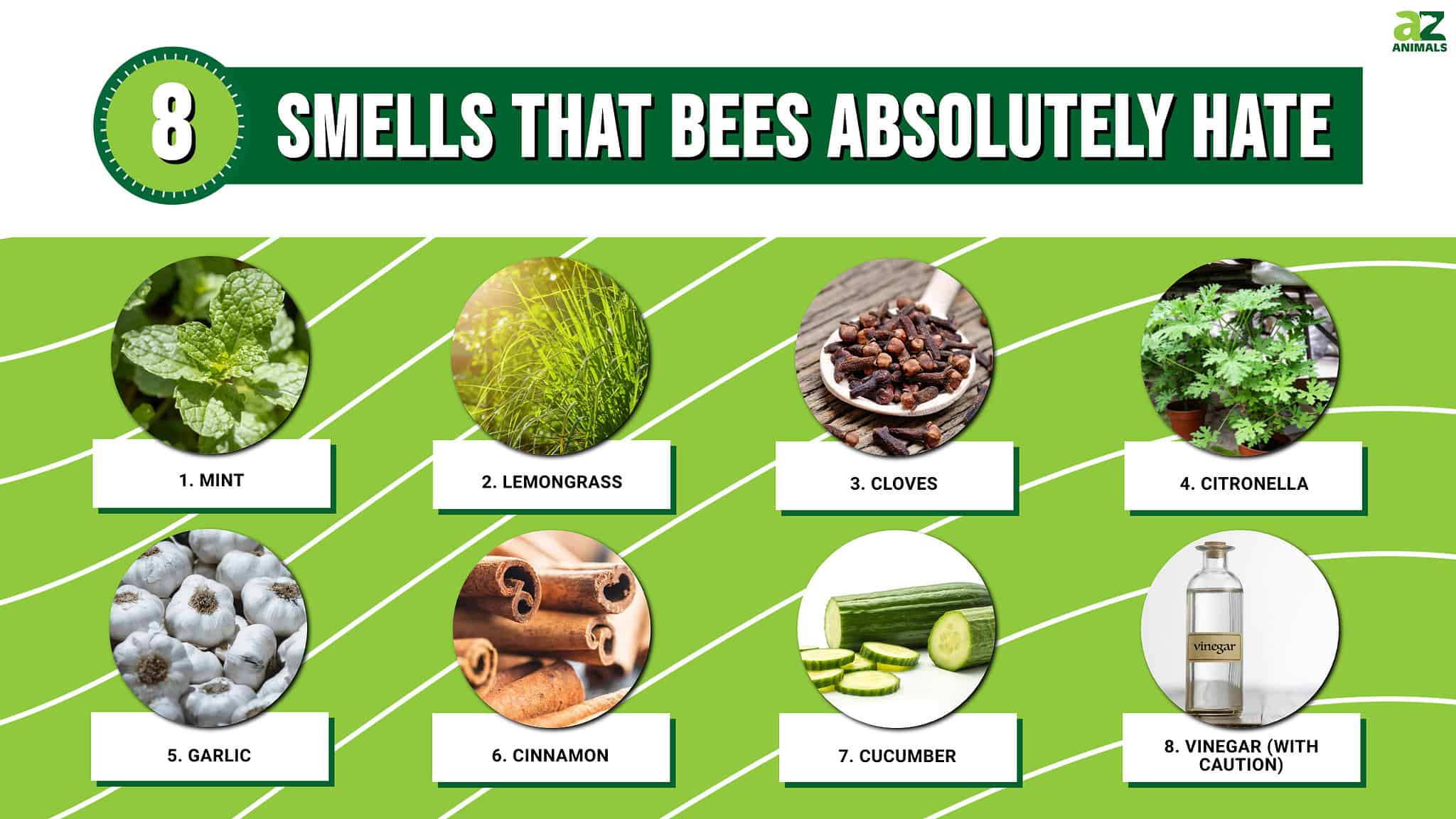
Let’s start with the heavy hitters of bee-repelling aromas. Bees rely on their sensitive antennae and olfactory senses to navigate, find food, and communicate. Overwhelming or sharp smells can literally interfere with their radar, causing them to avoid an area. The classic example is citrus. The bright, acidic scent of lemons, limes, oranges, and grapefruits is a bee’s kryptonite. You can slice up citrus peels and scatter them around your patio, or boil peels in water to create a natural spray. Another powerhouse is peppermint. While we humans find it refreshing, bees find it confusing and irritating. Plant peppermint in pots near doorways, or dab a bit of pure peppermint essential oil on a cloth and place it near dining areas. Fun fact: beekeepers sometimes use peppermint oil to mask the scent of their own hands when working with hives, because the bees react negatively to it.
For a more creative and even culinary approach, consider the world of garlic and cinnamon. Yes, you read that right. Bees have a strong dislike for the pungent, sulfur-heavy aroma of garlic. While you wouldn’t want to smell like a garlic knot during a picnic, strategically placing a few crushed cloves near the edges of your garden or on a windowsill can act as a natural deterrent. Just be careful near vegetable beds—garlic is a companion plant that can confuse pests, but bees may avoid the whole area. Then there’s cinnamon. The warm, spicy scent is a bee repellent you likely have in your pantry right now. Sprinkle ground cinnamon along the rim of your trash cans, or near ant hills (it works on many insects), but for bees, a light dusting on a picnic table mat can discourage them from landing. The best part? It smells amazing to you and your guests.
Must Read
If you’re looking for something elegant and visually stunning, combine scent with garden design using herbs that bees hate but humans love. Consider eucalyptus, lavender, and citronella. Wait—lavender? Many people think bees love lavender, and while they do visit its flowers, the essential oil of lavender is actually quite strong and can be overwhelming. The key is to use the oil, not the live plant. A few drops of eucalyptus or citronella oil on a terracotta pot or a candle works wonders. Marigolds are another brilliant choice: they release a distinct, sharp smell from their foliage (not just their flowers) that many bugs, including bees, find unappealing. Plant a border of marigolds around your seating area. Bonus: you’re adding bright color to your space while creating a natural barrier.
Now, let’s talk about practical, everyday application so you can put this knowledge to use today. First, avoid sweet-smelling perfumes and colognes when you’ll be outdoors—bees are attracted to floral and fruity smells. Instead, try a neutral or unscented lotion. Second, create a DIY bee-repelling spray: mix equal parts water and white vinegar, and add 10-15 drops of peppermint or eucalyptus essential oil. Shake well and spray lightly on patio furniture, cushions, and around door frames. Test a small area first to ensure no color damage. Third, employ the power of smoke in a gentle way—using a candle that contains a mix of citronella, lemongrass, and peppermint can create a “scent bubble” that keeps bees at a distance. Finally, remember that timing matters. Bees are most active during mid-morning and early afternoon, so if you’re dining or relaxing, do so in the late afternoon or early evening when scent intensities matter less.
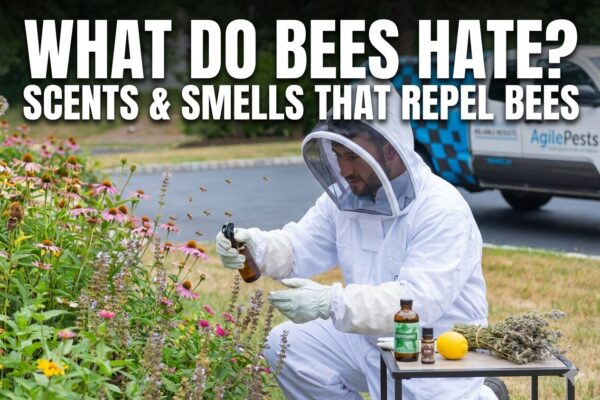 What Do Bees Hate? Scents & Smells That Repel Bees | Agile Pest Control
A word of caution: this entire approach is about repelling, not attacking. Bees are crucial for pollination and the health of our ecosystem. Use these scents strategically—around your seating area, on your clothing (a dab on a handkerchief), or on surfaces—but avoid spraying directly onto flowers or flowering plants where bees are foraging. The goal is to create a pleasant, aversion zone that encourages bees to move along to their next nectar source, not to poison them or confuse their habitat. In fact, you can pair this advice with a small bee-friendly water source (a shallow dish with pebbles) somewhere far from your dining spot, giving them a better alternative.
Ultimately, mastering the smells bees hate turns your outdoor space into a pest-free sanctuary using the most natural tools possible. You’ll find yourself reaching for peppermint oil and citrus peels with the same confidence as you would a flyswatter—except this approach is gentler, more aromatic, and far more interesting. The next time you’re sipping tea on your porch and a bee buzzes by, you can smile, knowing you possess a secret arsenal of scents that will keep them happily humming in another direction. Happy, peaceful, and wonderfully fragrant outdoor living is just a whiff away.