Simon Weckert Designed An Adversarial Camouflage Shirt Bypassing Ai Cameras

Blending In, Standing Out: Simon Weckert's AI-Busting Camouflage Shirt Ever felt like you're being watched, even when you're just out for a casual stroll? You're not paranoid...

Blending In, Standing Out: Simon Weckert's AI-Busting Camouflage Shirt
Ever felt like you're being watched, even when you're just out for a casual stroll? You're not paranoid, you're just living in the 21st century. Cameras are everywhere, and many of them are powered by AI, constantly scanning, analyzing, and tracking our every move. But what if you could outsmart them? Enter Simon Weckert, a German artist and designer who's giving AI cameras a run for their money with his Adversarial Camouflage Shirt.
Weckert, a man with a knack for turning technology's gaze back on itself, created this innovative garment as part of his ongoing exploration of AI's limitations. The shirt, a blend of high-tech and high-fashion, is designed to confuse facial recognition software, making it the ultimate anti-surveillance statement piece.
How It Works: Art Meets AI
So, how does this magical shirt work its AI-busting magic? Weckert uses a technique called adversarial attacks, which involves subtly manipulating images to fool AI systems. In this case, the shirt's pattern is designed to disrupt the facial recognition algorithms, causing them to misidentify or fail to recognize faces altogether.
Must Read
Think of it like a digital optical illusion. The shirt's pattern might look like a simple, stylish design to us, but to AI cameras, it's a chaotic mess that sends their algorithms into a tailspin. It's like wearing a invisibility cloak, but for AI cameras instead of wizards.
Wearable Tech: From Sci-Fi to Reality
Weckert's shirt might seem like something straight out of a Black Mirror episode, but it's a testament to how far wearable technology has come. From smartwatches to fitness trackers, we're increasingly integrating tech into our clothing. But Weckert's creation takes it a step further, using fashion as a tool for digital resistance.
And he's not the only one exploring this intersection of art, fashion, and tech. Designers like Iris van Herpen and Hussein Chalayan have been creating innovative, tech-infused garments for years. But Weckert's shirt stands out for its practical, everyday application - and its subversive streak.
 Real-world AI security: Physical adversarial attacks research from CVPR
Practical Tips: DIY AI Camouflage
Now, we're not all artists or designers, but that doesn't mean we can't get in on the AI-busting action. If you're feeling crafty, you can create your own adversarial patterns using online tools like the one developed by researchers at the University of Maryland.
Simply upload a photo of yourself, and the tool will generate a pattern that, when printed and worn, should confuse facial recognition software. Just remember, while these patterns can help disrupt AI systems, they won't make you invisible to the human eye. So, you might want to pair your DIY AI camouflage with a stylish outfit to avoid looking like you're wearing a pixelated potato sack.
Cultural Shifts: Fashion as Protest
Weckert's shirt is more than just a clever hack; it's a symbol of our changing relationship with technology. As AI and surveillance become more prevalent, so too does the desire to opt out, to reclaim our privacy. From encryption apps to privacy-focused browsers, we're seeing a cultural shift towards digital self-defense.
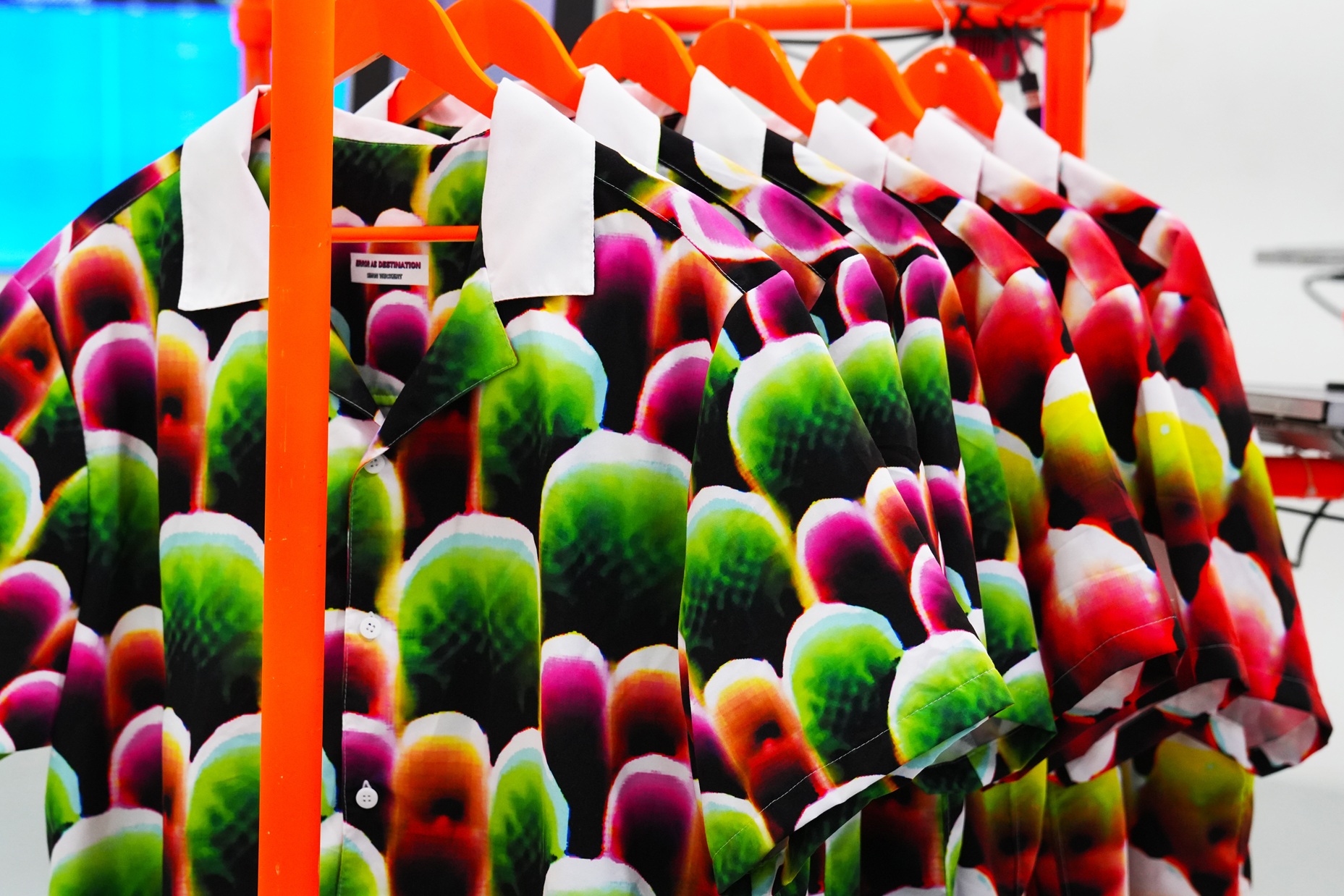 SIMON WECKERT
And fashion, with its power to express identity and spark conversation, is a natural fit for this movement. After all, what better way to make a statement than to wear it on your sleeve? Or, in this case, on your chest.
Reflections: Everyday AI Resistance
So, what does Weckert's AI-busting shirt mean for our daily lives? It's a reminder that while technology might seem all-powerful, it's not infallible. It's a nudge to question the status quo, to think critically about the role of AI in our society, and to consider how we can push back against its more intrusive aspects.
It's also a testament to the power of creativity and ingenuity. Weckert didn't accept the inevitability of constant surveillance; he found a way to subvert it. And that's a message we can all take to heart, whether we're designing adversarial clothing or just trying to navigate our increasingly digital world.
So, go ahead, embrace your inner hacker. Wear your AI camouflage with pride. And remember, just because you can't see the cameras, doesn't mean they're not there. But with a little creativity and a lot of chutzpah, you can make them wish they were.
