Signs And Symptoms Of A Shock

Okay, let’s talk about shock. Not the “I can’t believe they cancelled my favorite show” kind. The medical kind. And yes, it’s much more dramatic. Shock is your body’s emergen...
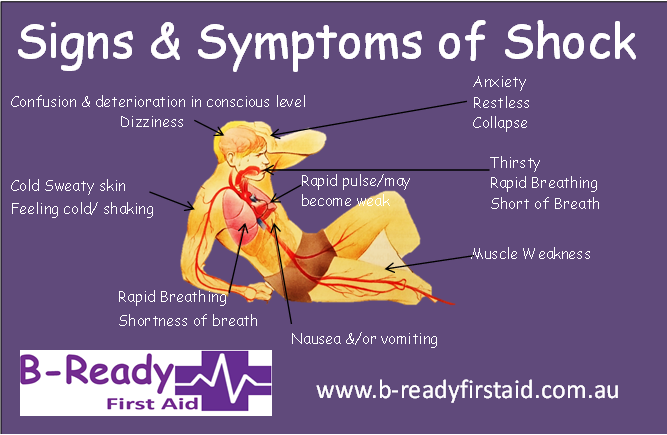
Okay, let’s talk about shock. Not the “I can’t believe they cancelled my favorite show” kind. The medical kind. And yes, it’s much more dramatic.
Shock is your body’s emergency brake slamming on. It’s a desperate panic mode. Your cells start screaming for oxygen.
Here’s the weird part: shock doesn’t always look like shock. You might expect someone to faint dramatically. Nope. They might just stare at you with huge, glassy eyes.
Must Read
The Bizarre Skin Signals
First stop: your skin. It can turn clammy, cold, and pale as if someone drained the color. Think of a vampire’s handshake.
But here’s a fun twist: sometimes the skin goes flushed first, then turns ghostly. It’s your body playing a cruel prank. And if they look mottled or blotchy? That’s a big red flag.
Check for capillary refill. Press their fingernail until it turns white, then let go. If the pink doesn’t rush back in under two seconds? Their blood is too busy elsewhere.
The Pulse That Plays Hide-and-Seek
A normal pulse feels like a steady drumbeat. A shock pulse? It’s weak and racing—like a tiny mouse trying to escape a cat. You might barely feel it at the wrist.
Try the neck instead. Press gently on the side of the windpipe. If the pulse is there but super faint, that’s the body’s “SOS” signal. It’s pumping fast but not hard.
Quirky fact: some people in shock get a bounding pulse early on. It feels like a thumping whale. Then it fades. It’s the heart’s last hurrah.
The Breathing That Lies
Watch their chest. They might breathe shallowly and quickly, like a panting dog after a sprint. But they’re just lying there. That’s not normal.
Sometimes they take huge, gasping breaths that look like a fish on dry land. That’s called air hunger. And it’s scary to watch.
Funny enough, people in shock often say they feel like they can’t get enough air. Even though they’re breathing like a steam engine. Their brain is confused.
The Weird Brain Games
Shock messes with the mind first. A person might seem confused or act drunk. They’ll answer a question with, “The sky is purple… and yummy.”
They can also get irritable or oddly calm—like they’ve accepted their fate. Don’t let that fool you. It’s the brain shutting down non-essential functions.
One of the strangest symptoms? Yawning. Excessive, jaw-cracking yawns. That’s a desperate brain trying to force in oxygen. It looks rude, but it’s a cry for help.
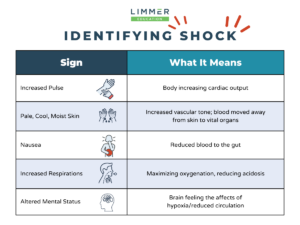 Symptoms Of Shock In Adults _ Shock Symptoms And Symptoms – ITEG
The Thirst That Lies
They will be parched. You might hear, “Water… please, just water.” But here’s the shock rule: do not give them water (unless told by a pro). Why? Because in severe shock, the gut shuts down. Water can cause vomiting, which makes everything worse.
Instead, wet their lips with a cloth. It’s cruel kindness.
Also, watch for nausea. Shock often triggers a sudden wave of “I’m gonna puke.” That’s the body rebelling against low blood flow to the stomach.
The Poop Surprise (Yes, Really)
Here’s a fun fact you never expected: severe shock can cause involuntary pooping or urination. The muscles go limp. It’s embarrassing for the person, but totally normal for the body in crisis.
Don’t laugh. Okay, laugh later. But keep your poker face now.
And if their pupils are dilated and fixed? That’s a late sign. It means the brain is in deep trouble.
The Sneaky “Happy” Shock
Some people in shock act calm, even cheerful. They’ll say, “I feel fine, just a little tired.” This is called compensated shock. It’s the body’s clever mask.
But that mask falls off fast. Once they start slurring speech or losing consciousness, the game is up. That’s decompensated shock—the real emergency.
And here’s the kicker: it’s fun to know this because you become a detective. You spot the clues before the crisis hits. You’re a shock whisperer.
When to Stop Reading and Start Acting
If someone has pale, cold skin, a racing weak pulse, fast shallow breaths, and they’re acting loopy? Call 911. Now. Don’t text. Don’t Google.
Lay them flat on their back. Raise their legs about 12 inches—this helps blood rush to the brain. Cover them with a blanket, but don’t overheat them.
And talk to them. You’d be shocked (ha!) at how hearing a voice keeps them anchored. Say silly things. Sing a terrible song. The brain loves distraction.
So there you have it. Shock is a wild, weird, and oddly fascinating body rebellion. Knowing the signs makes you a hero in a messy situation. Now go tell a friend, “Guess what I learned about yawning today?”
