Should You Wash Scallops Before Cooking

You’ve got a beautiful bag of fresh scallops, ready for a special dinner. But then you stop, spatula in hand, and wonder: should I wash these things first? It’s a question tha...
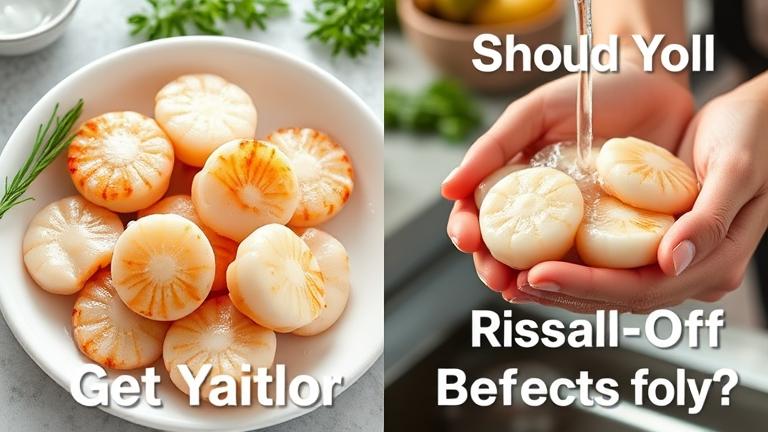
You’ve got a beautiful bag of fresh scallops, ready for a special dinner. But then you stop, spatula in hand, and wonder: should I wash these things first? It’s a question that has split kitchens and sparked friendly debates for years.
The short answer might surprise you: generally, no. In fact, giving your scallops a bath could be the quickest way to ruin that perfect golden crust you’re dreaming of. Let’s dive into the weird, watery world of scallop prep.
Those Little Tanks of Flavor
Scallops are basically little ocean sponges. They hold onto water like a camel holds onto a drink before a long desert trek.
Must Read
When you rinse them under a tap, you’re actually forcing more water into their delicate flesh. It’s like trying to dry a sponge by dunking it in a bucket—it just doesn’t make sense.
That extra water turns your hot pan into a sad, steaming puddle. And a steamed scallop is the culinary equivalent of a deflated balloon—tough, rubbery, and totally disappointing.
The Secret to That Golden Crust
You want that Instagram-worthy sear, right? That beautiful, caramelized crust with a buttery, tender center? Then keep them dry.
Think of it like this: you wouldn’t splash water on a steak before you sear it. The same rule applies here. Moisture is the enemy of a good sear.
Your pan needs to be screaming hot, and your scallops need to be bone-dry. Water creates steam, and steam creates gray, sad scallops. Dry scallops give you golden, glorious ones. Simple as that.
What About the Grit and Sand?
I hear you. The biggest fear is biting into a gritty, sandy surprise. That’s a legit worry, but here’s the cool part: most scallops you buy are already cleaned.
They’re labeled “dry” or “wet,” and they usually come with that little tough side muscle already removed. You’re not buying a bucket of beach sand. You’re buying a premium protein.
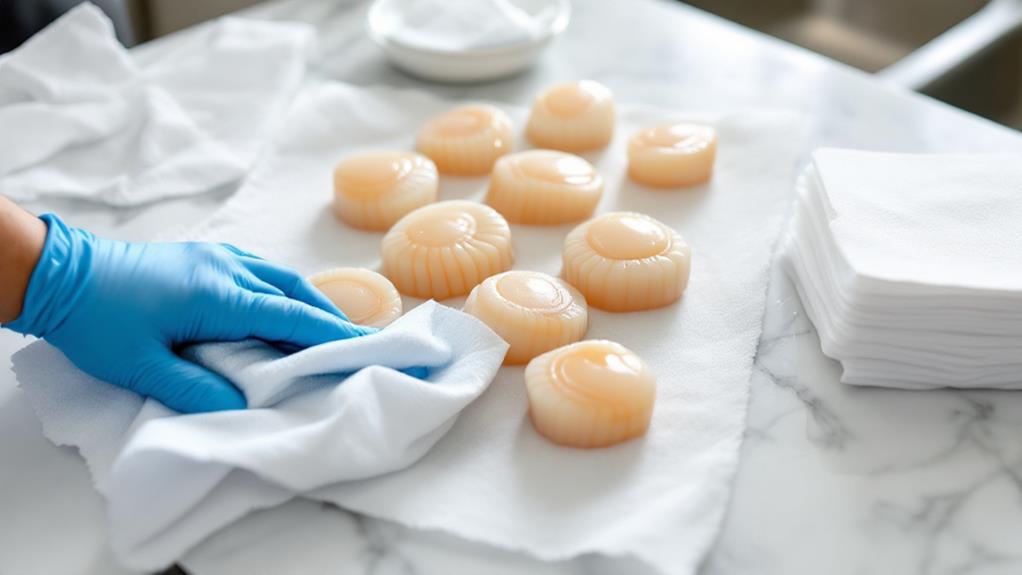
If you buy scallops that are still in the shell (a rare treat), then yes, you’ll need to rinse and scrub. But for the standard sea or bay scallops from the store? Skip the water. Just pat them completely dry with a paper towel.
But What About “Wet” Scallops?
Ah, here’s where it gets a little nerdy—but in a fun way. Some scallops are treated with a solution of water and sodium tripolyphosphate (STP) to make them look plumper and whiter.
These are called “wet” scallops, and they’re basically water balloons. They will release a ton of liquid in the pan, no matter what you do. Washing them at home won’t fix this.
Your best bet? Buy “dry” scallops instead. They look slightly less perfect—maybe a little creamier in color—but they taste like the ocean and sear like a dream. It’s the difference between a faded photo and a vibrant painting.
 Scallops With Pesto Cream Sauce Recipe – AIBlogPostWriter
A Gentle Rinse Doesn’t Hurt
Okay, I’ll admit it: if you bought scallops from a fish counter and they feel a little slippery or have a faint “fishy” smell, a very quick rinse is fine. Just don’t soak them.
Give them a fast pass under cold water, then immediately lay them on a paper towel-lined plate. Dry them with another towel, then let them sit in the fridge for ten minutes to air-dry.
That extra drying step is the real hero. It’s like patting your face after a wash—you wouldn’t leave it dripping wet, right? Same logic applies to scallops.
The Weirdest Part: They Soak Up Bad Flavors
Here’s a fascinating, slightly gross fact: scallops are like little flavor magnets. If your hands have garlic juice or onion smell on them, the scallop will absorb it.
Washing them doesn’t help with this. In fact, running them under water can actually open up their pores, making them absorb even more off-flavors from your sink or cutting board.
The best approach? Handle them with clean, dry hands and respect their delicate nature. They’re the introverts of the seafood world—don’t overwhelm them.
The Flip Side: What About Bay Scallops?
Bay scallops are the tiny, sweet cousins of the big sea scallops. They’re cuter, but they’re also more fragile. Should you wash those?
Same rule applies: don’t soak them. A quick rinse is okay if they look cloudy, but again, pat them bone-dry. They cook in about 90 seconds, so you don’t have time for water shenanigans.
Think of them as tiny, delicious clouds. You wouldn’t soak a cloud before eating it, would you? Okay, that image is a little weird, but you get the point.
The Bottom Line (Barely Any Water)
You came here asking if you should wash scallops, and the answer is a gentle, dry-handed no. The only “washing” they need is a confident pat-down with a paper towel.
It feels counterintuitive, I know. We’re taught to wash everything—chicken, fruit, our hands. But scallops are the exception. They reward your trust with a perfect sear.
So next time you’re standing over the sink with that bag of scallops, just set them on a towel. Give them a nice, firm pat. Season them with salt and pepper, and drop them into hot butter. You’ll get that crave-worthy crust every single time. Now go cook something amazing.
