Should You Wash Comforter Before Using

There’s something genuinely satisfying about unwrapping a brand-new comforter, fresh from its plastic packaging. It’s one of those small, practical joys that makes setting up...

There’s something genuinely satisfying about unwrapping a brand-new comforter, fresh from its plastic packaging. It’s one of those small, practical joys that makes setting up a cozy bedroom feel like a treat. But right as you’re about to fluff it onto your bed, a nagging question pops up: should I really wash this before using it? It’s a topic that splits people into two camps—the “straight-to-bed” crowd and the “pre-wash purists.” The good news is, this isn’t a stressful dilemma; it’s actually a chance to learn a simple habit that saves you time, money, and sleep. Whether you’re a college student moving into a dorm, a new homeowner, or someone treating themselves to a luxury duvet, getting this right means better hygiene and a longer-lasting comforter.
The main purpose of washing your comforter before the first use is simple: cleanliness. Comforters go through a long journey—from factory floors to warehouses, trucks, and store shelves. During that trip, they can pick up dust, dirt, factory residue, and even chemicals used in manufacturing, like formaldehyde or flame retardants. For people with sensitive skin, allergies, or asthma, skipping a pre-wash can lead to sneezing fits, rashes, or just a general feeling of “ick.” Even if you don’t have allergies, washing removes that faint new textile smell that some find unpleasant. Think of it like washing a new T-shirt—you wouldn’t wear it straight from the store without a rinse, right? Your comforter deserves the same respect.
Beyond hygiene, there’s a practical, long-term benefit to that first wash. Many comforters, especially those made of down or synthetic fill, come with a slight “puffiness” that settles over time. Washing and drying them once helps fluff the fibers evenly, reducing clumps and making the loft more consistent. This means your comforter will feel plusher and last longer because the filling is uniformly distributed from day one. I’ve had friends who skipped this step and wondered why their new comforter looked lumpy after a month—turns out, it just needed a good spin and tumble to break in those factory-packed fibers.
Must Read
Now, let’s talk about the common variations you might encounter. Not all comforters are created equal. A cheap polyester one from a big-box store is different from a high-end goose-down duvet with a silk cover. If your comforter has a delicate outer fabric (like cotton sateen or bamboo), you’ll want to use a gentle cycle and cold water. Some comforters come with care labels that say “dry clean only”—and you should follow that unless you’re ready to replace a shrunken mess. For machine-washable ones, always check the size: a king-sized comforter might need a commercial washer or a trip to the laundromat. And here’s a pro tip: add two tennis balls to the dryer to beat the fluff back into the fill as it dries.
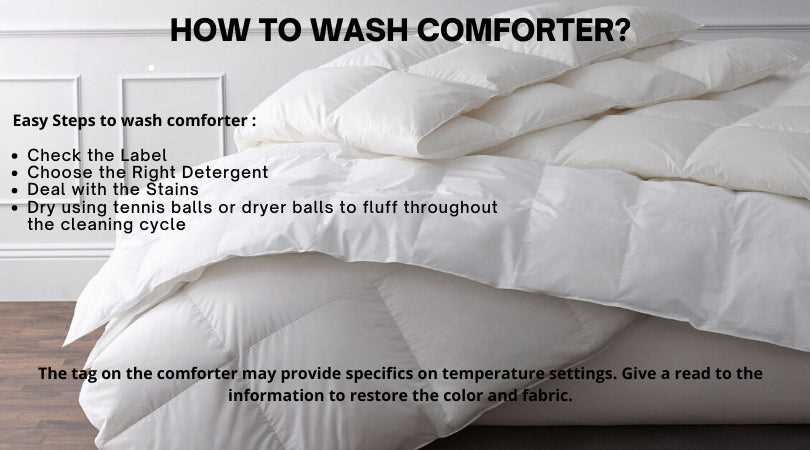 How to Wash a Comforter: A Step-by-Step Guide - Clean Home Expert
Getting started is easier than you think. First, read the care label—it’s your comforter’s instruction manual. If it says machine-washable, use a large-capacity washer to avoid overloading. Choose a mild detergent, skip the fabric softener (it coats fibers and reduces breathability), and select a gentle cycle with cold or warm water. For drying, set your dryer to low heat and be patient—it can take 2-3 cycles to get it fully dry. A damp center is a breeding ground for mildew, so check by squeezing the middle; if it feels cool or smells musty, keep going. Once it’s bone-dry and perfectly puffy, fluff it on your bed and enjoy that fresh, cozy feeling.
One last thing: if you’re using a duvet cover (which you should, because it protects the comforter), you can skip the pre-wash for the comforter itself—just wash the cover first. But if you’re going cover-free or using the comforter as a bedspread, wash it. I once skipped this step with a fluffy down comforter from a discount store, and after two nights, I woke up with itchy arms and a dust-sneeze that lasted a week. That was the learning moment. Now, washing it first feels like a little ritual of fresh-start energy—a clean slate for your sleep sanctuary. So go ahead, toss it in the machine. Your future cozy self will thank you.
