Should You Wash A Comforter Before Using It

So, you just got a brand new, fluffy comforter. It’s perfect, right? You can almost feel the cloud-like sleep waiting for you. But then you pause, holding that pristine packa...
So, you just got a brand new, fluffy comforter. It’s perfect, right? You can almost feel the cloud-like sleep waiting for you.
But then you pause, holding that pristine package. A tiny voice asks: Should I really wash this thing before I use it?
The "New Stuff" Trap
Let’s be honest: we’re all a little lazy about this. I once unwrapped a new blanket and immediately dove under it, thinking, "It’s clean! It’s factory-fresh!"
Must Read
But "factory-fresh" isn’t what you think. That comforter has traveled from a warehouse, bounced around a truck, and probably sat on a shelf for months.
Think of it like a new pair of jeans. They look great, but you wouldn’t wear them straight off the rack without a wash, would you? Your comforter is the same—just bigger and fluffier.
What’s Really Hiding in Those Fluffy Fibers?
Here’s the icky, honest part. During manufacturing, comforters are often treated with chemicals to prevent wrinkles, mold, and pests while they’re stored.
That "new smell" you love? It’s actually the scent of those finishing chemicals, plus dust and who knows what from the factory floor. Your cozy bed isn’t a chemistry lab.
I remember buying a gorgeous white duvet and skipping the wash. Three nights later, my nose was stuffy and I was sneezing like I had a cold. Turns out, I was just allergic to the factory dust I’d brought to bed.
Your Skin Will Thank You
Your skin is like a picky houseguest—it doesn’t like surprises. New fabrics can have leftover dyes or residues that cause little rashes or itchiness.
:max_bytes(150000):strip_icc()/SPR-how-to-SPR-how-to-how-to-wash-a-comforter-7372304-hero-01-17b822ab448e4f9f8261b2c9d68ca0c6.jpg) How to Wash a Comforter in 4 Steps
How to Wash a Comforter in 4 Steps
A quick wash removes those irritants. It’s like giving your comforter a warm hug before it hugs you all night.
If you have sensitive skin or allergies, this is a no-brainer. A single wash cycle can save you from a week of scratchy, uncomfortable sleep.
The "Fluff Factor" Myth
"But my down comforter will get ruined in the wash!" I hear you say. I felt the same way. I babied my first expensive comforter for months without washing it.
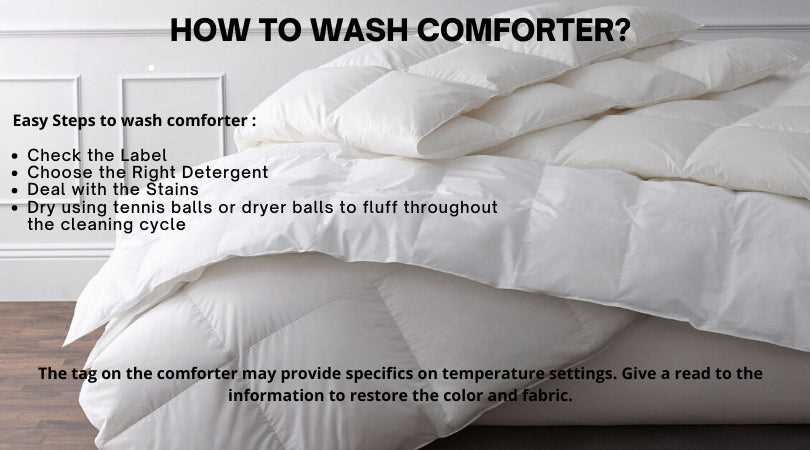
Here’s the secret: washing actually makes it fluffier. Fresh from the factory, the filling is compressed and a little flat. A gentle wash with a tennis ball in the dryer loosens up the feathers or fibers.
You end up with a comforter that’s bouncier and more cloud-like than when you bought it. It’s like letting it breathe for the first time.
A Little Ritual, A Big Reward
Think of the pre-wash as a welcome ceremony for your new bed buddy. You’re saying, "Hey, you’re home now. Let’s get cozy."
Run it on a gentle cycle with a mild detergent. Avoid fabric softener—it coats the fibers and reduces fluffiness.
![How to Wash a Down Comforter [Step-by-Step Guide for Cleaning & Drying]](https://laylasleep.com/wp-content/uploads/2021/09/what-you-need-to-wash.jpg) How to Wash a Down Comforter [Step-by-Step Guide for Cleaning & Drying]
How to Wash a Down Comforter [Step-by-Step Guide for Cleaning & Drying]
Then, when you pull that warm, clean comforter out of the dryer, it feels like yours. Not a store’s. Not a warehouse’s. Yours.
The One Exception (Boring, But True)
Okay, if the tag says "dry clean only" and you don’t have a huge home washer, don’t risk destroying it. Take it to the cleaners for a quick steam.
But for 90% of comforters—cotton, polyester, down-alternative—a machine wash is perfectly safe. Check the tag, cross your fingers, and go for it.
Worst case, you spend an extra hour of your life doing laundry. Best case, you avoid a week of scratchy sleep and sneezing. Seems like a good trade, right?
A Final, Relatable Nudge
Look, I’ve been the person who unwrapped a comforter at 10 PM and said, "Eh, I’ll wash it tomorrow." And then "tomorrow" turned into three months.
Don’t be that person. Be the person who spends one hour washing and drying, and then crawls into a bed that smells like fresh air and feels like a hug.
Your future, well-rested self will thank you. And so will your nose, your skin, and your dreams.
