Should You Simmer Chili Covered Or Uncovered

So, you’ve got a pot of chili bubbling away on the stove, and a question as old as time (or at least as old as canned tomatoes) pops into your head: lid on or lid off? It’s th...
So, you’ve got a pot of chili bubbling away on the stove, and a question as old as time (or at least as old as canned tomatoes) pops into your head: lid on or lid off? It’s the simmering standoff that has split dinner parties and confused home cooks for generations. Let’s settle this, shall we? Grab a spoon, and let’s chat.
First, let’s talk about the covered camp. Popping that lid on is like tucking your chili into a cozy, steamy hug. This is your “speed and tenderness” move. The trapped steam circulates heat faster, which is perfect if you’ve got tough cuts of meat or beans that need a little extra time to soften up. It also prevents your kitchen from smelling like the inside of a spice cabinet (unless you’re into that, no judgment). The downside? You’re also trapping all that liquid, which means your chili might end up more like a stew or a soup. If you’re a “broth-is-life” person, this is your jam. But if you crave that thick, almost pasty texture that clings to a tortilla chip? Keep reading.
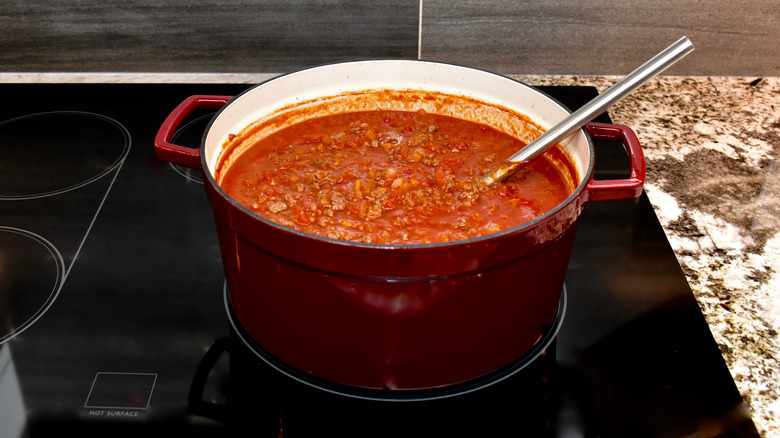
Now, the uncovered crowd—these are the rebels of the stove. Leaving the lid off lets moisture escape in a steady, fragrant wisp. This is your “concentration and depth” strategy. As the water evaporates, the flavors don’t just mingle; they concentrate. That tomato base gets richer, the spices become bolder, and the overall texture thickens to a glorious, spoon-standing-up kind of density. The trade-off? It takes longer—patience, young grasshopper—and you’ll need to stir more often to avoid a scorched bottom (aka the heartbreak of chili). Also, your kitchen will smell incredible, which might cause spontaneous snack attacks from family members.
Must Read
So, what’s a chili lover to do? The secret, my friend, is to be a traitor to both camps. Start uncovered. Let your chili bubble away uncovered for the first hour or so. This is where the magic happens: the onions and garlic do their fragrant dance, the tomatoes break down, and you get that deep, caramelized base. Then, about 30 minutes before you’re ready to eat, clap that lid on. This traps just enough steam to finish tenderizing any stubborn ingredients (looking at you, kidney beans) and melds everything together into a unified, dreamy pot of goodness. It’s the best of both worlds—you get the concentration and the tenderness.
And hey, if you’re feeling spicy (pun intended), there’s a third option: crack the lid. Leave it slightly ajar, like you’re letting a secret escape. This gives you a gentle evaporation that’s a happy medium between soup and sludge. It’s the Goldilocks approach, and honestly, it works like a charm if you’re multitasking and can’t babysit a pot.
 Should You Simmer Chili Covered Or Uncovered? - Miss Vickie
Here’s the beautiful truth: There is no wrong answer, only different chili personalities. A covered chili is a gentle soul, a hug in a bowl. An uncovered chili is a bold, confident adventurer. And a “cracked lid” chili? That’s a chill, easygoing friend who’s just happy to be here. So next time you’re hovering over the pot, don’t stress. Listen to your taste buds. Want it thick? Leave it open. Want it hearty and juicy? Cover it up. Want to impress your dinner date? Do the switcheroo.
In the end, cooking is about joy, not perfection. Your chili will be delicious because you made it with love—whether the lid is on, off, or doing a rebellious tilt. So simmer on, brave cook. Your perfect bowl is out there, just waiting for you to ladle it up. Now go grab a spoon, a slice of cornbread, and remember: the only wrong move is not making chili at all. 🍲✨