Should You Season Stainless Steel Pans

The question of whether to season stainless steel pans might seem like a small kitchen debate, but it's one that sparks real conversation among home cooks and professionals al...
The question of whether to season stainless steel pans might seem like a small kitchen debate, but it's one that sparks real conversation among home cooks and professionals alike. We've all seen those beautifully slick cast iron skillets with years of seasoning built up, and we've probably wondered if our stainless steel cousins deserve the same treatment. This is a enjoyable, practical topic because it sits at the intersection of daily cooking habits, pan longevity, and decent-looking food that doesn't stick. For casual weeknight cooks, home meal preppers, and aspiring chefs alike, getting this right can make the difference between a frustrating dinner and a smooth, confident one.
At its core, the conversation about seasoning stainless steel boils down to one purpose: improving non-stick performance while extending the life of your cookware. Unlike carbon steel or cast iron, stainless steel isn't naturally non-stick. Its polished surface doesn't form a seasoning layer the same way those materials do. However, many cooks still apply a light oil coating before cooking to create a temporary barrier that helps food release more easily. This approach benefits anyone who sears proteins, sautés vegetables, or simply doesn't want to scrub an omelet off the bottom of a pan after breakfast.
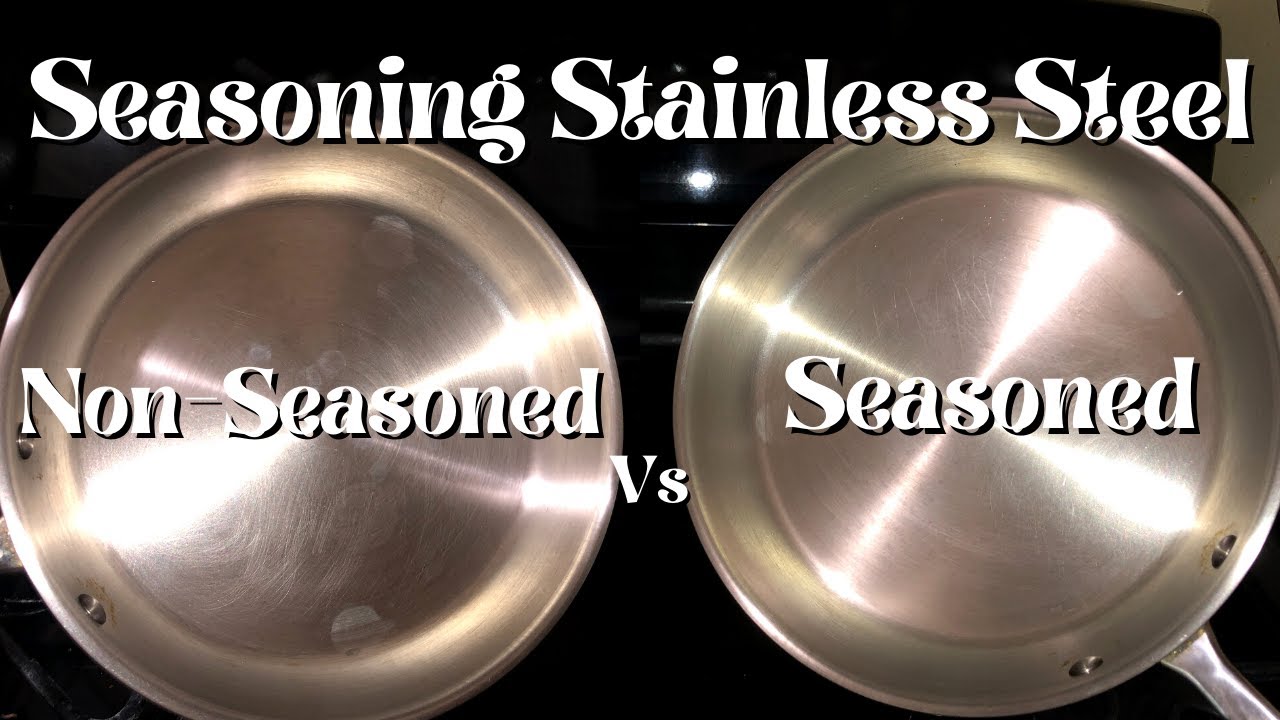
You'll often hear the word "seasoning" used in two different contexts when stainless steel is involved. The first is preheating with oil — adding a thin film of neutral oil to the pan as it heats up so it fills microscopic pores and creates a slicker surface for food. The second is a more traditional seasoning layer, where oil is repeatedly heated to its smoke point to polymerize and actually bond with the metal, much like you'd do with a cast iron skillet. While the second method can work to a degree, it generally doesn't hold up as well on stainless steel because of the metal's non-reactive, stable surface. Most cooks find the first approach far more practical and consistent.
Must Read
Common variations you might recognize include warming the pan with a small amount of grapeseed or avocado oil until it shimmering, which many professional kitchens do before every cook. You might also see the water-drop test — flicking a few drops of water onto the pan to see if they bead and roll, confirming the pan is hot enough for oil to form its slippery layer. Another variation some people swear by is butter basting techniques that combine fat and heat control to prevent sticking, especially when cooking delicate fish like salmon or thin-cut chicken cutlets. Each of these approaches represents a different way to get the most out of your stainless steel surface.
 How to Season a Nonstick Pan for First Time: Easy Guide
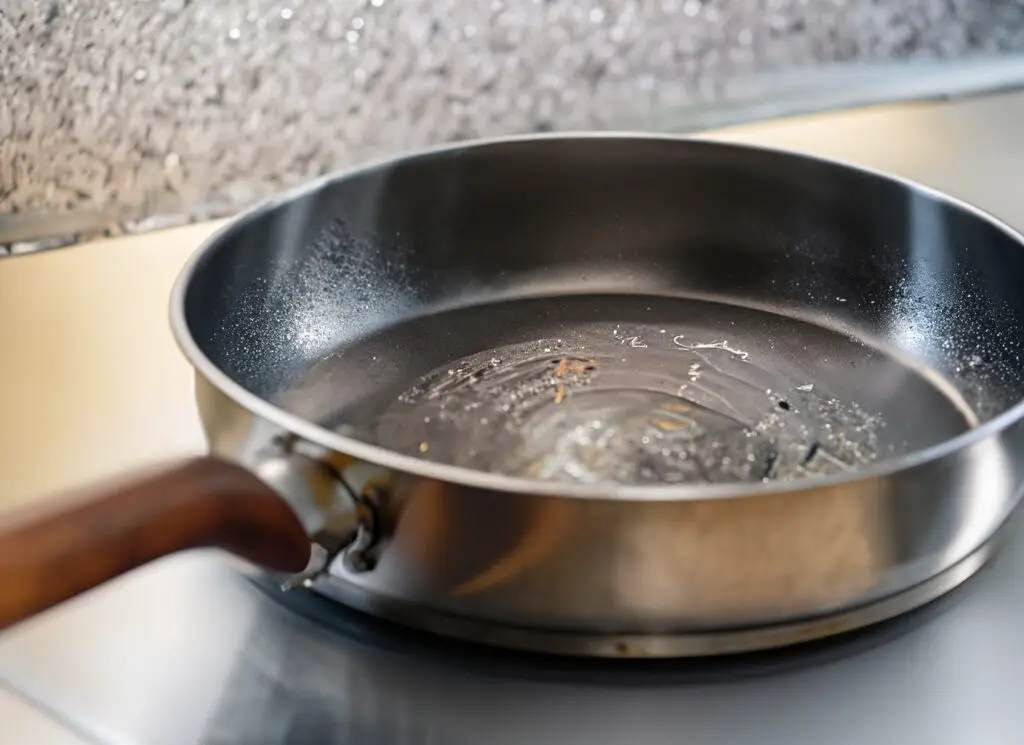
To get started, place your stainless steel pan on medium-high heat and let it warm up for a minute or two before adding any oil. Once it's hot, pour in a small amount of high-smoke-point oil like canola, grapeseed, or avocado oil, and swirl it around to coat the bottom evenly. You want the oil to become thin and fluid but not smoking heavily. Then — and this is the key step many beginners skip — wait for the oil to heat through before adding your food. For a day-to-day anti-stick layer, apply oil, wipe off the excess with a paper towel, and let the pan absorb a thin film before cooking as usual.
Keep in mind that preheating properly and using adequate oil are far more important than building a permanent seasoning layer on stainless steel. Think of it as an easy, repeatable habit rather than a long-term project. Over time, you'll develop a natural feel for how hot your pan needs to be, how much oil each recipe calls for, and when food is ready to flip without sticking. That confidence comes from practice, not from treating stainless like cast iron. Ultimately, a little quick seasoning before every cook keeps your stainless steel pans performing at their best — and your meals tasting great.