Should You Rinse Carpet After Shampooing

One of the most common questions that pops up after a weekend of carpet‑shampooing is simple: should you rinse the carpet? It’s a topic that feels both practical and oddly sat...

One of the most common questions that pops up after a weekend of carpet‑shampooing is simple: should you rinse the carpet? It’s a topic that feels both practical and oddly satisfying—like the final step that turns a “clean” feeling into a truly fresh, odor‑free space. For homeowners, renters, and even office managers, the answer can mean the difference between a carpet that looks bright and one that still holds hidden residue. Understanding why rinsing matters gives you confidence in your cleaning routine and helps you avoid the sticky, dull after‑effects that many people have felt but rarely discuss.
The main purpose of rinsing is to remove leftover shampoo that the cleaner can’t lift on its own. Carpet fibers, especially the dense nylon or polyester blends found in most living rooms, act like tiny sponges. When you spray a shampoo, you’re trapping dirt and detergent in those fibers; a quick rinse flushes out any lingering chemicals, preventing them from re‑attracting dust later. This benefit is especially noticeable after high‑traffic areas such as hallways or kids’ play zones, where the buildup of residue can make the carpet feel sticky and look dull. Think of rinsing as the final wash that restores the carpet’s breathability.
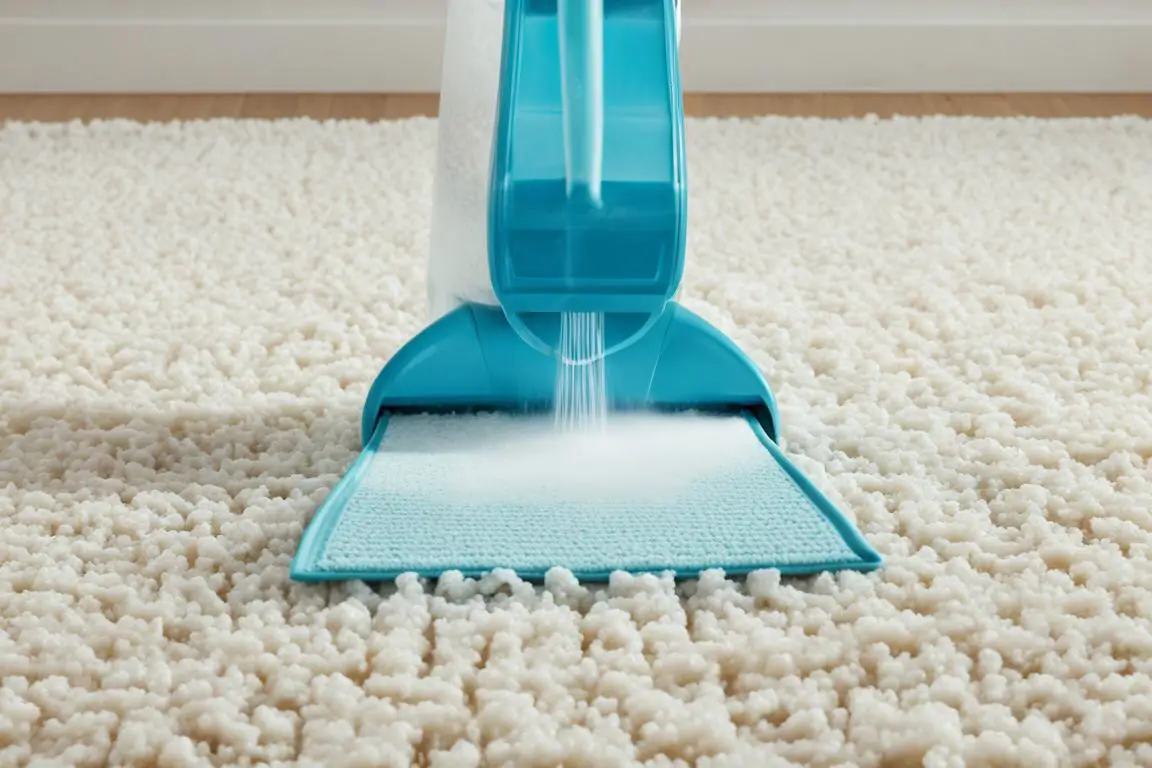
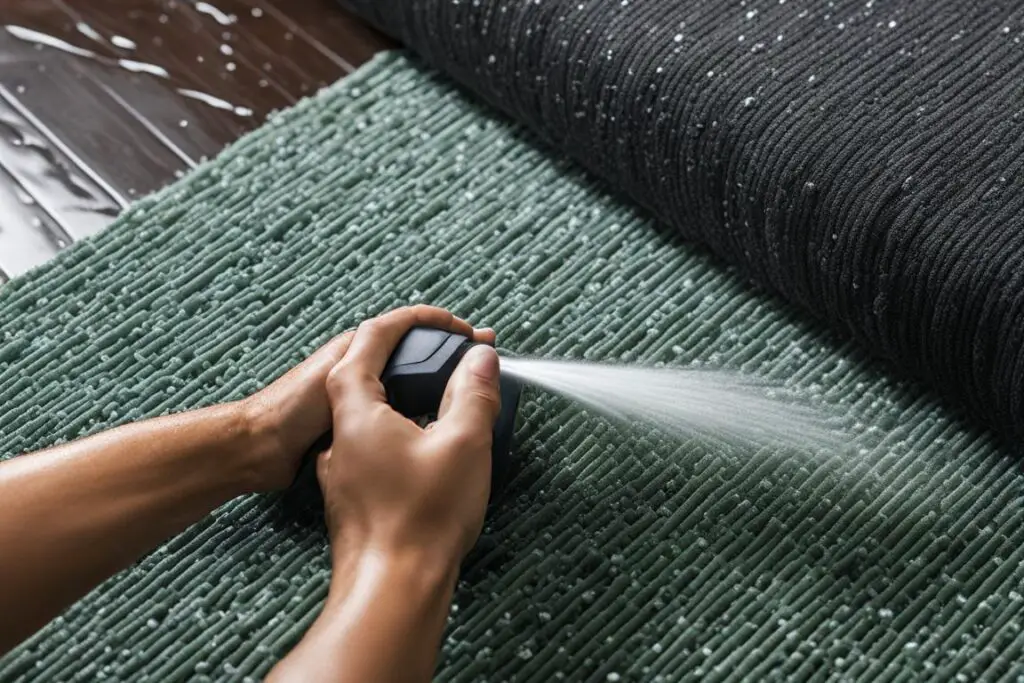
There are a few common variations of the rinse step that readers might recognize. In DIY setups, a steam extractor often does double duty, pulling up water and shampoo in one pass. Commercial units frequently auto‑rinse with a “recovery tank” that automatically cycles clean water through the fibers. Some people opt for a simple hand‑held spray bottle of lukewarm water, followed by a thorough vacuum. Each method has its pros: the extractor is fast but can be noisy, while the hand‑spray gives you more control over the amount of water used, reducing the risk of over‑saturating delicate floors.
Must Read
If you’re new to the process, start with a few simple, actionable tips. First, always check the manufacturer’s label for recommended water temperature—warm water loosens residues faster without damaging fibers. Second, use a low‑flow setting when rinsing to avoid soaking the carpet’s backing, which can lead to mold. Third, work in small sections, spraying, agitating lightly with a soft brush, and then vacuuming each area before moving on. Finally, give the carpet a full day of drying time; opening windows or using a fan can speed up the process and keep odors at bay.
 Effective Carpet Rinsing Post-Shampooing Guide
Consider a real‑world example: Maria, a busy parent of two, reported that after she rushed a rinse, her hallway felt sticky for days. By switching to a systematic, section‑by‑section rinse with a handheld sprayer, the carpet’s texture returned to its former softness within a single afternoon. This small change not only improved the look but also reduced the need for frequent deep cleanings, saving her both time and money. Such stories highlight how a low‑effort rinse can have a high‑impact on long‑term carpet care.
In the end, the answer to “should you rinse carpet after shampooing?” leans toward a clear yes for most situations. Rinsing safeguards the carpet’s longevity, eliminates lingering chemicals, and keeps colors vibrant. Whether you’re a DIY enthusiast or a professional cleaner, the rinse step is an easy, low‑stress addition that pays off in comfort and cleanliness. Give it a try on your next clean—your feet (and nose) will thank you.