Should You Parboil Parsnips Before Roasting

Parsnips are among the most underrated vegetables in the modern kitchen. Their subtly sweet, earthy flavour pairs beautifully with hearty autumn and winter meals, and when roa...

Parsnips are among the most underrated vegetables in the modern kitchen. Their subtly sweet, earthy flavour pairs beautifully with hearty autumn and winter meals, and when roasted to golden perfection, they deliver one of the most satisfying side dishes you can put on the table. Yet home cooks often pause at the prep stage of this simple vegetable, wondering whether an extra step — parboiling — is truly necessary before roasting. It is a question that comes up frequently, and the answer, like many things in cooking, depends on the outcome you are hoping to achieve.
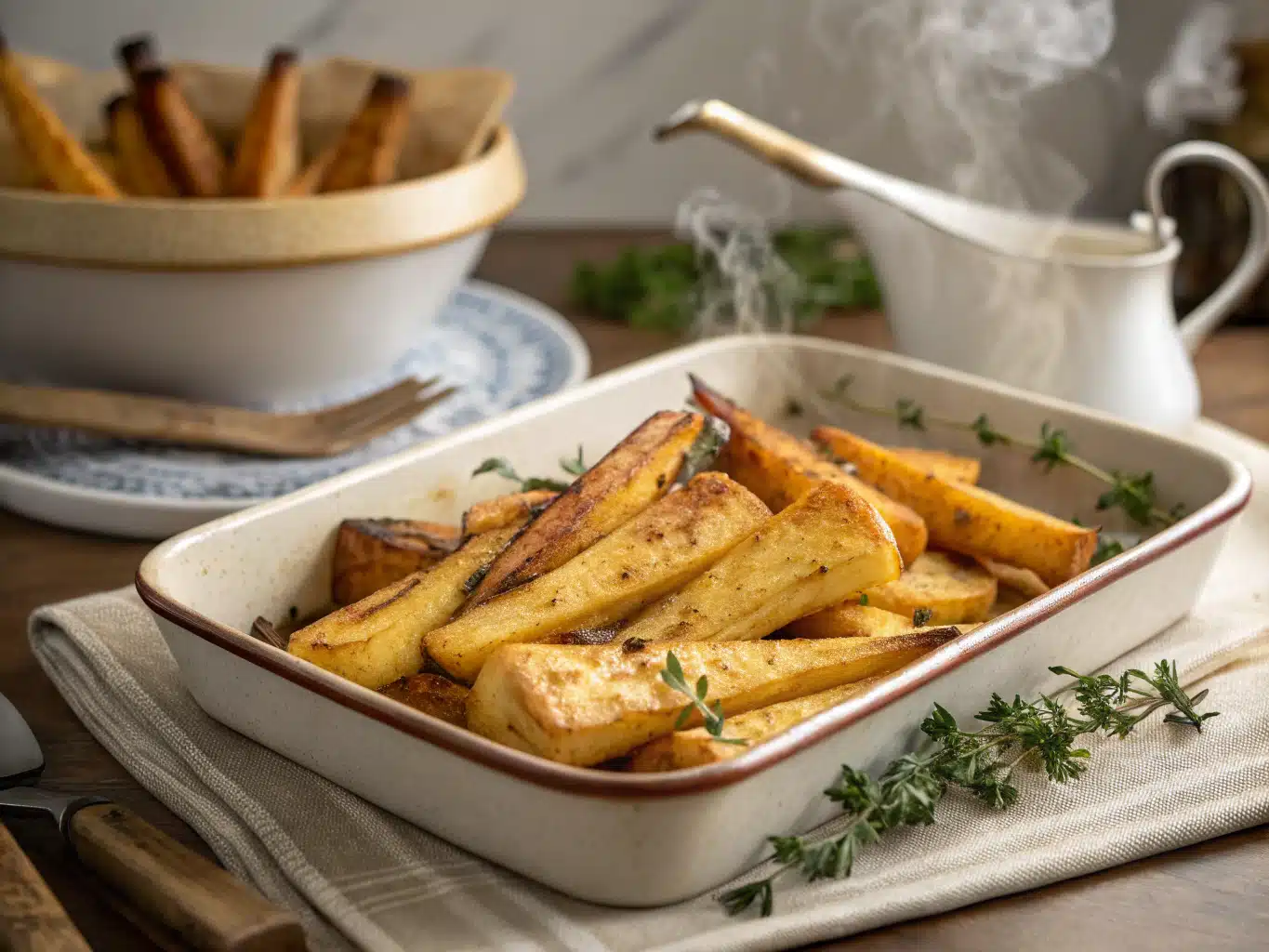
The key purpose of parboiling parsnips before roasting is to partially cook the dense flesh of this root vegetable so that the interior becomes tender while the exterior can still develop a crisp, caramelised crust. Parsnips — especially large, mature specimens — are naturally firm and starchy, and they take considerably longer to cook through than, say, carrots. Without parboiling, you risk serving parsnips that are beautifully browned on the outside but stubbornly hard at the centre. Parboiling levels the playing field, ensuring even doneness from core to surface.
The benefits of this technique extend beyond simple doneness. When parboiled parsnips are tossed with oil and seasoning and then transferred to a hot oven, the softened surface absorbs flavours more readily — whether that is rosemary-infused olive oil, smoked paprika, or a whisper of maple syrup for sweetness. The pre-cooked exterior also browns faster, meaning you spend less time in front of the oven and cut down on overall cooking duration. For busy households preparing a multi-dish Sunday roast, shaving twenty minutes off the vegetable's time in the oven is a practical win.
Must Read
Consider a common scenario: a family dinner where roasted parsnips sit alongside a slow-braised lamb shoulder on the Sunday menu. The lamb itself requires three hours in the oven. If you simply throw raw parsnips onto a tray at the ninety-minute mark, the larger pieces may still be chalky when the lamb is ready to rest. But if you parboil the parsnips briefly — say, five to seven minutes in lightly salted water — you can drop them onto a hot baking sheet for the final forty minutes with confidence that they will be creamy inside and golden outside when the plates are being filled.
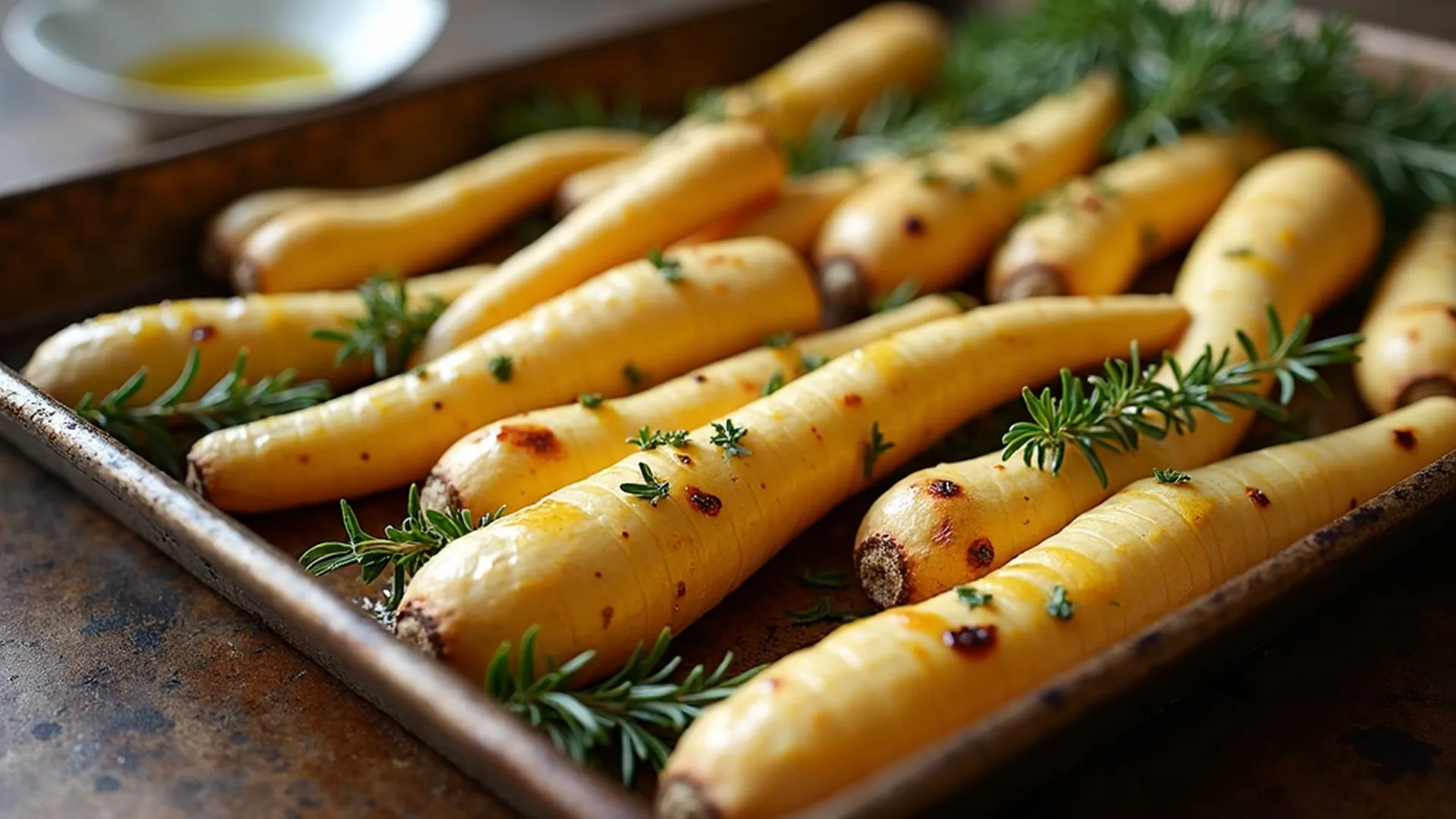
Of course, parboiling is not mandatory. If you cut your parsnips into thin medallions or planks and roast them at a slightly higher temperature, the shorter cooking distance means they will cook through without the extra step. Many experienced cooks also argue that parboiling can wash away some of the parsnip's natural sugars and lead to a slightly watery texture if not drained and dried properly. The skinning choice also matters: young, thin-skinned parsnips benefit from the peel and cook faster, while older, woody parsnips almost always need the parboil treatment.
 Boil Before Roast: Enhancing Parsnips For Perfect Roasting Results
Here are a few simple tips to explore this technique for yourself. First, window the parboil to five to seven minutes only — you want the parsnips slightly tender, not mushy. Second, drain them thoroughly and pat them dry with a clean towel; moisture is the enemy of crisp roasting. Third, toss them in oil and seasoning while still warm from the pot so the surface is slightly open and absorbing. Finally, roast on a preheated tray at 200 °C (400 °F) for thirty to forty minutes, turning once halfway through for even browning.
In the end, parboiling parsnips before roasting is less a rule and more a helpful tool in your cooking toolkit. It guarantees a soft interior, supports deeper flavour development, and saves oven time on hectic cooking days. Whether you choose to keep it simple with thin cuts or embrace the parboil for larger, older roots, understanding the purpose behind the step empowers you to make the best decision — and serves up parsnips that truly shine on the table.