Should You Cook Salmon Skin Side Up Or Down

Have you ever stood in your kitchen, salmon fillet in hand, wondering which side should face the pan first? It sounds silly, but honestly, this little decision can change ever...

Have you ever stood in your kitchen, salmon fillet in hand, wondering which side should face the pan first? It sounds silly, but honestly, this little decision can change everything. Let's dig into it together and find out what really happens when you flip the approach.
Skin-side down or skin-side up — it's one of those small food debates that doesn't get enough attention. But the answer is way more interesting than you'd expect. So grab your spatula, and let's explore this salmon mystery.
What Happens If You Start Skin-Side Down?
Starting skin-side down is what most home cooks do, right? You lay it in a hot pan and listen for that satisfying sizzle. The goal here is usually to get the crispy skin everyone raves about.
Must Read
When the skin hits the pan first, the fat under it starts rendering almost immediately. Think of it like melting butter — the heat pulls out all that delicious oil. The result? Crunchy, golden, almost bacon-like skin that makes you feel like a restaurant chef.
But here's the catch. If you leave it skin-side down too long, the flesh side barely gets any direct heat. You might end up with perfect skin and a undercooked center. That's not exactly the dream dinner.
The trick is to crisp the skin fast, then flip it. Once the skin has a nice crunch, you flip it for a quick sear on the flesh side. Boom — you get the best of both worlds.
What Happens If You Start Skin-Side Up?
Now, flip that salmon onto its flesh side first, and things change. The direct heat hits the meat right away, creating that beautiful browned crust we all love. It's like giving the front of a steak a proper sear before anything else happens.
With skin-side up, you're letting the flesh develop flavor first. The tougher skin stays at a safe distance from the worst of the heat. This keeps the skin from burning while the inside cooks more evenly.
 Salmon Skin Side Up Or Down Skin On Salmon Fillet Hi Res Stock
Then when you flip it, the skin gets its turn. It doesn't get quite as crispy as starting skin-side down, though. So if crunch is your thing, this approach has its limits.
So Which One Is Actually Better?
Honest answer? It depends on what you're after. If crispy skin is your top priority, go skin-side down first. If you want a perfectly cooked, evenly browned fillet, start with the flesh side.
There's also the pan type to consider. A cast iron skillet, for example, holds heat like a champ and makes skin-side-down cooking work beautifully. A nonstick pan might not give you the same crunch on the skin.
Think of it like choosing between a grilled pizza or a baked one. Both are great, but you get a different experience depending on the method.
The Hybrid Approach — Best of Both Worlds
Here's where it gets really fun. Some cooks use a hybrid method that combines both strategies. Start skin-side down for a fast crisp, then flip and finish skin-side up.
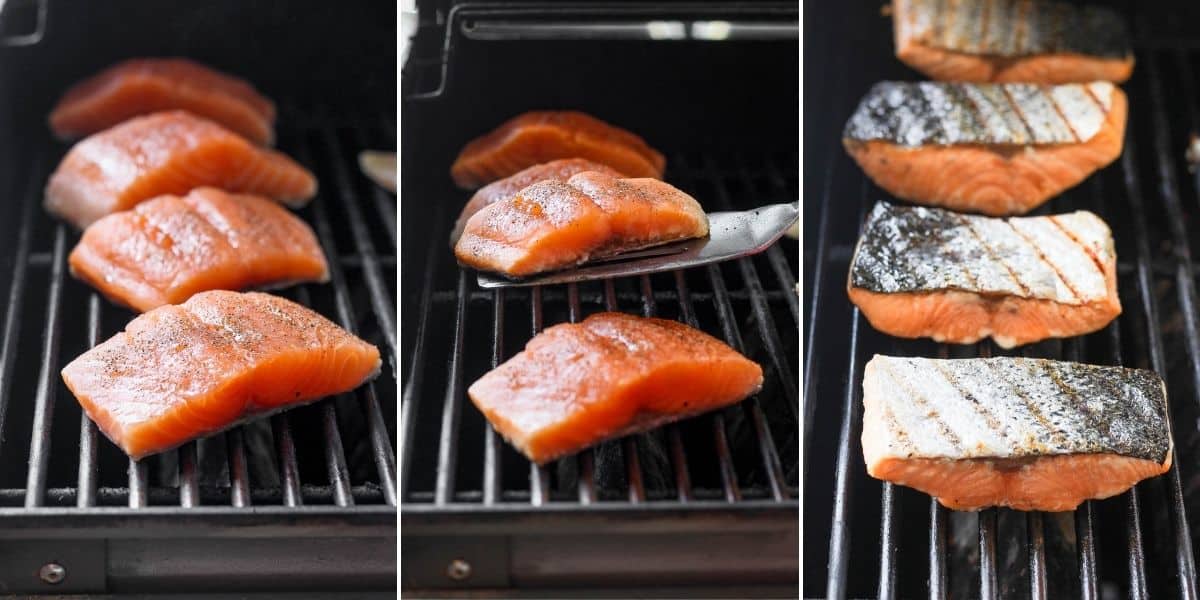
 Grilling Salmon: Should You Cook It Skin-Side Down Or Up? | ShunGrill
This way, the skin gets its crunch early, and the flesh side finishes cooking gently without direct flame. It's like running the first half of a race hard, then coasting to the finish line. Smart, right?
Another approach is to score the skin lightly before cooking. Tiny cuts let heat and fat flow through easier. It helps the skin crisp no matter which side starts first.
What About Other Cooking Methods?
Stovetop isn't the only game in town. When you bake salmon in the oven, orientation matters less because heat surrounds the fillet. The skin still crisps up if you place it on a hot sheet pan.
For grilling, most people lay it skin-side down so the flesh gets exposed to those beautiful grill marks. The skin acts like a shield, protecting the bottom while the grill does its magic above.
Air frying is a whole other world. Most folks put salmon skin-side down to let the top side get that perfect golden finish from the circulating air.
 Air Fryer Teriyaki Salmon Recipe - Fueled With Food
A Few Extra Tips Before You Cook
Always pat the skin completely dry before cooking — moisture is the enemy of crispiness. Vaping water on the pan means less crunch and more splatter. A dry surface sizzles and crisps way better.
Season the skin lightly with salt before it hits the heat. Salt draws out even more moisture and seasons it perfectly. It's a tiny step that makes a big difference.
Whatever side you choose, cook on medium-high heat rather than blasting it with full flame. Gentle, steady heat builds flavor without turning your salmon into a burnt mess.
So there you have it — no wrong answer here, just different paths to delicious. Next time you cook salmon, experiment with both sides and see which one gets your taste buds excited. Cooking is all about play, after all.
Now grab that fillet, heat that pan, and let the salmon skin debate be settled — on your terms.
