Should I Cover My Chili While It Simmers

Let’s be honest: chili is a battlefield of the mind. You’ve browned the beef, you’ve charred the peppers, and now you’re staring at a bubbling pot of potential glory. But then...
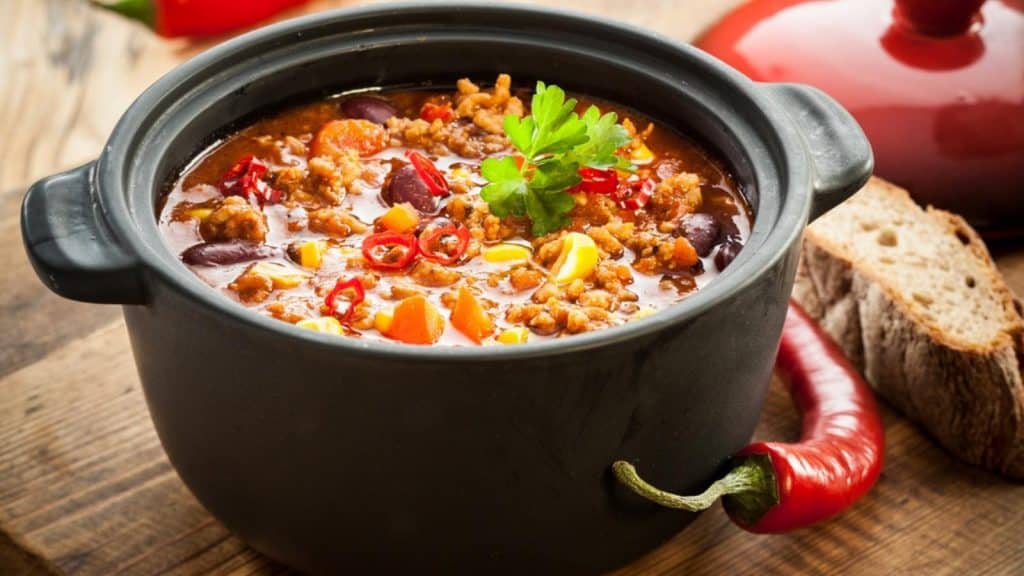
Let’s be honest: chili is a battlefield of the mind. You’ve browned the beef, you’ve charred the peppers, and now you’re staring at a bubbling pot of potential glory. But then, the existential crisis hits: Should I cover my chili while it simmers? It’s a question that has split families, ended friendships, and loosely inspired a country song called “Lid on My Heart.”
First, let’s acknowledge the steam situation. If you slap a lid on that pot, you’re basically trapping every drop of spicy, savory moisture inside. Your kitchen won’t smell like a chili temple—it’ll smell like a foggy mosh pit of beef and beans. That’s fine if you want a soupy, almost-salsa consistency. But is that really chili? Or are you just making spicy soup with a superiority complex?
Now, the no-lid gang will tell you that covering chili is a crime against flavor. They aren’t wrong. Simmering uncovered allows water to evaporate into the void—like your gym motivation after January. As the liquid escapes, the flavors concentrate into a thick, dark, almost primal umami bomb. Your chili becomes a dense, glorious stew that clings to a spoon like a needy cat.
Must Read
Here’s the surprising fact that will make you sound smart at parties: Thomas Jefferson was obsessed with chili. Okay, that’s a lie. But the real fact is that simmering uncovered for the first hour is the secret to the “Texas Red” style. That’s the chili that has no beans—just pure, focused meat and chiles. Leaving the lid off is how you murder the water and let the flavor rise like a phoenix made of garlic.
The Dangerous Middle Ground
There is a third way, and it’s called “the lazy genius method.” Start your chili uncovered for the first 45 minutes. Let the steam escape. Let your neighbors knock on your door wondering if you’re hosting a barbecue or a séance. Then, when the liquid has reduced by about a third, slap that lid on for the remaining simmer time.
Why do this? Because you get the best of both worlds. The initial evaporation deepens the flavor profile into something that rivals a philosopher’s beard. Then, the lid traps just enough moisture so your beans don’t turn into dried-out pebbles. It’s like putting a jacket on after you’ve already done the hard cardio.
 How Long To Cook/Simmer Chili? | Reviewho
“But what about the canned tomato curse?” I hear you ask. If your chili tastes tinny or acidic, that’s because you didn’t simmer it long enough while covered. The lid helps the tomatoes break down into a sweet, forgiving embrace. Simmering covered for at least 90 minutes will make that metallic taste disappear like your ex’s promises.
The Ferris Bueller Rule
Here’s a pro tip that will elevate you to chili wizard status: don’t stir too much. I know, I know, stirring feels productive. It makes you look like a chef on television. But every time you scrape that spoon across the bottom, you risk breaking up the meat into sad, dusty particles. Let the pot sit. Let it dream.
Now, let’s talk about the physics of splatter. Simmering uncovered means your stovetop will look like a Jackson Pollock painting made of grease. You will have to scrub. This is the price of greatness. If you cover the pot to avoid cleaning, you’re admitting that you’re afraid of a little elbow grease. Do not be a coward.
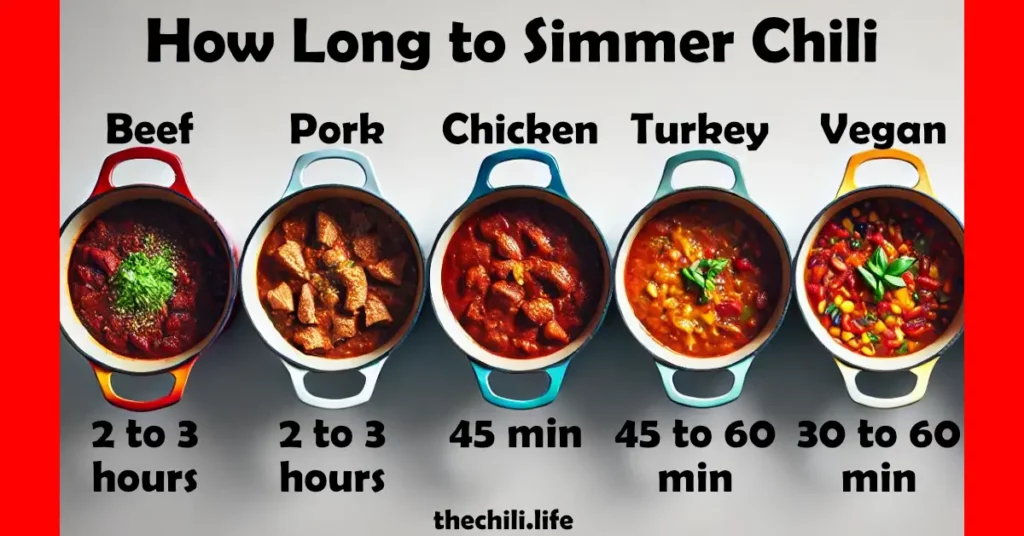 How Long Can You Let Chili Simmer?
On the flip side, if you cover the chili completely and never lift the lid, you risk soggy chili syndrome. The condensation from the lid drips back down like sad rain on a picnic. This dilutes your masterpiece. Your chili becomes a watery ghost of its potential.
The Final Verdict (Yes, I’m Giving One)
For the first half of the simmer, keep the lid off. Let the aroma taunt your guests. Let the neighbors be jealous. Then, for the second half, cover it partially—like, tilt the lid just enough to let a crack of steam escape. This keeps the chili moist but not drowning.
If you are making a white chicken chili, ignore everything I just said. That stuff needs a lid from start to finish, or it turns into chicken jerky soup. But for classic red chili? Go au naturel first, then shield it. Your taste buds will thank you, your kitchen sponge will curse you, and you will never have to ask this question again.
And if your uncle Bob insists on covering it anyway? Hand him a spoon and tell him to taste the difference. Then watch him stare at the pot for ten minutes, realizing his entire life has been a lie. That’s the real prize of cooking: correcting family history, one simmering pot at a time.
