Should Apples Be Stored In Refrigerator

There’s something oddly satisfying about figuring out the perfect way to keep a crisp, juicy apple fresh for as long as possible. It’s a question that pops up at dinner tables...
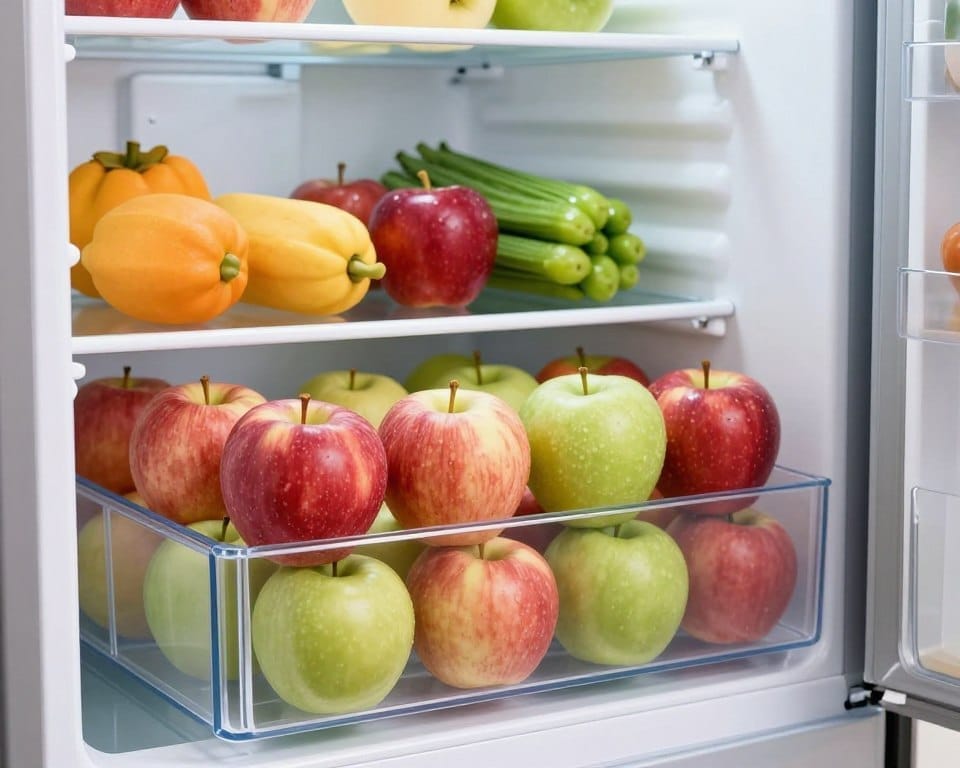
There’s something oddly satisfying about figuring out the perfect way to keep a crisp, juicy apple fresh for as long as possible. It’s a question that pops up at dinner tables, in grocery aisles, and even in casual kitchen chats, and it’s fun precisely because it blends everyday habit with a bit of food science. Whether you’re a busy parent trying to stretch the week’s snack budget or a foodie curious about optimal flavor, this topic offers a quick, practical win that anyone can appreciate.
The core purpose of deciding where to store apples is simple: to preserve their texture, taste, and nutritional value while reducing waste. For households, it means fewer trips to the store and more confident servings at meals. For chefs and bakers, it ensures a reliable supply of firm fruit for salads, pies, and smoothies. Even for those who only eat an apple occasionally, it helps maintain that satisfying crunch instead of ending up with a mealy, bland bite.
If you glance around the fridge or pantry, you’ll notice a few familiar options that most of us have tried at one point or another. The classic refrigerator crisper drawer is the go‑to for many because it offers a cool, humid environment. Others prefer leaving apples on the countertop for a few days, especially when they plan to eat them soon. Some keep them in a separate refrigerator shelf away from ethylene‑producing foods like bananas and avocados, while a handful of people tuck them into a sealed plastic bag to trap moisture. Each variation works, but the subtle differences can affect how long the apples stay crisp.
Must Read
From a scientific standpoint, apples release a gas called ethylene as they ripen. This hormone accelerates the ripening of nearby fruits, which is why storing apples alongside ethylene‑sensitive produce can shorten their shelf life. Maintaining a temperature between 32°F and 40°F (0°C–4°C) slows down both the ethylene production and the natural breakdown of the fruit’s cell walls. In short, a chilly, humid spot—like a well‑regulated refrigerator drawer—keeps the crunch intact far longer than a warm kitchen counter.
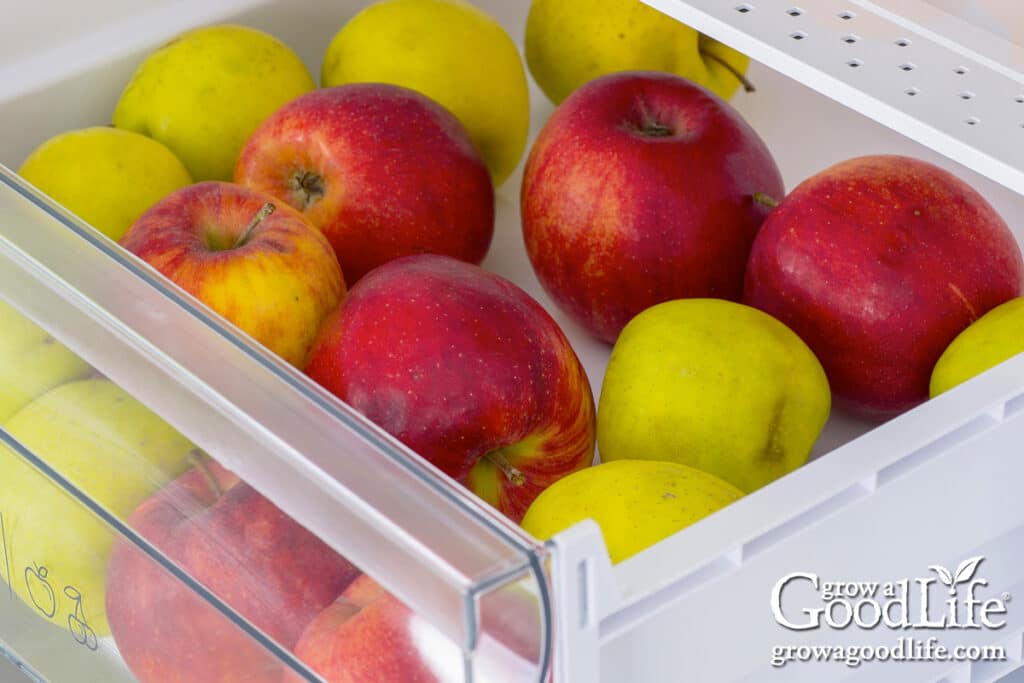 How to Store Apples in the Refrigerator and Root Cellar
Getting started is a breeze if you follow a few simple, actionable steps. First, place washed apples in a clean, breathable container or a perforated plastic bag so they can “breathe.” Next, slide the apples into the refrigerator’s crisper drawer, ideally on the side that’s set to high humidity. If you plan to eat them within a week, you can skip the fridge and let them sit on a cool, dry spot away from direct sunlight. Finally, check the apples every few days and remove any that start to soften or bruise to prevent them from affecting the rest of the batch.
By weighing the pros and cons of refrigerator storage versus room‑temperature options, you’ll gain a handy habit that saves money, reduces food waste, and keeps every bite as satisfying as the first. Whether you’re a casual snacker or a culinary enthusiast, experimenting with the right temperature and humidity for apples is a small tweak that pays off in flavor, nutrition, and peace of mind. Give it a try today, and you’ll soon see how easy it is to enjoy a perfectly crisp apple whenever the mood strikes.


