Semi Metallic Vs Ceramic Brake Pads

Let’s be real: your car’s brake pads aren’t exactly dinner-table conversation, but they are the unsung heroes keeping you, your family, and your paycheck safe. Choosing betwee...

Let’s be real: your car’s brake pads aren’t exactly dinner-table conversation, but they are the unsung heroes keeping you, your family, and your paycheck safe. Choosing between semi-metallic and ceramic pads is one of the most popular—and confusing—upgrades drivers face. The wrong choice can mean annoying squeaks or a soft pedal when you need to stop fast. Getting it right, though, transforms your daily drive from a chore into a confident, quiet, and smooth experience—whether you’re hauling kids, commuting, or towing a trailer.
Why does it matter so much? For individuals, the right pads mean less maintenance and fewer wallet-draining trips to the shop. For families, it’s about peace of mind—knowing your SUV can stop on a dime during a sudden downpour or when a deer jumps out. For communities, quieter brakes reduce noise pollution in neighborhoods, especially for early-morning deliveries or school runs. Plus, modern ceramic pads produce far less brake dust, keeping your rims clean and toxic particles off the streets and out of local streams.
Imagine this: You’re a dad named Mike who hauls his kids to soccer practice every Saturday in a heavy SUV. He switched from stock semi-metallics to high-quality ceramics. The result? No more screeching at stoplights and zero brown dust caked on the front wheels. But if Mike lived in the mountains and towed a boat, semi-metallics would be his better bet—they handle heat and heavy loads like a champ, even if they are a bit louder. Each type has a real-world sweet spot.
Must Read
So, how do you pick? For daily driving in a sedan or minivan, go ceramic—they’re quiet, clean, and perfect for city stops. For trucks, SUVs, or performance driving, semi-metallics provide superior bite and fade resistance under heavy use. A practical tip: always pair new pads with fresh rotors or at least a proper resurface—this prevents vibrations and uneven wear. Also, check your owner’s manual; many modern cars are designed for ceramic pads to match the brake computer’s parameters.
Before you buy, read reviews from owners of your exact car model—a set of ceramics that works on a Toyota Camry might feel spongy on a Dodge Challenger. Brand matters, too: stick with names like Akebono, Bosch, or Hawk for consistency. And if you’re doing the swap yourself, invest in a torque wrench and a caliper piston tool—overtightening bolts is a common mistake that can warp brand new pads.
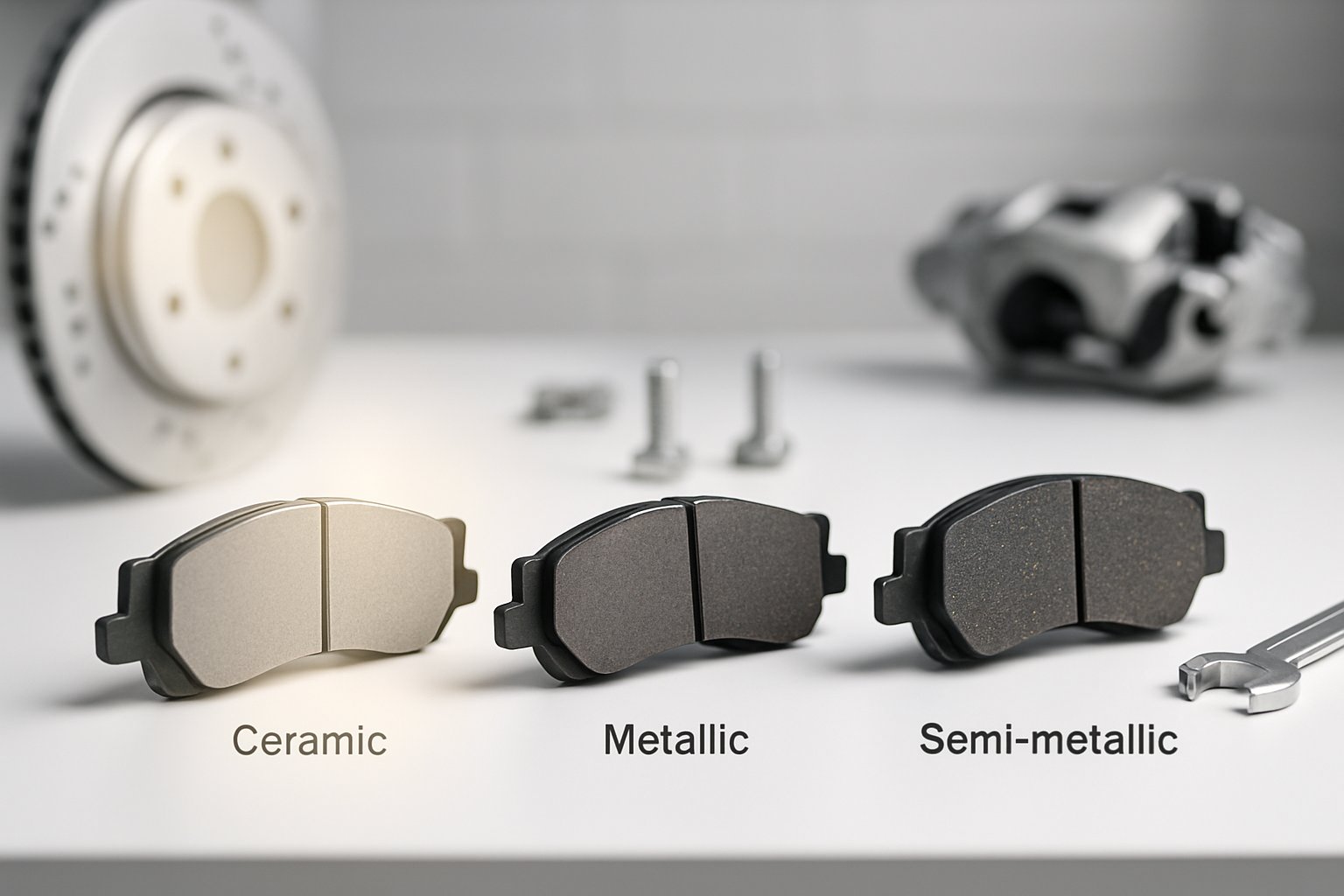 Why Ceramic Pads Are Quieter: Understanding the Science and Benefits
For families, the quiet, low-dust nature of ceramics is a game changer—kids nap longer without brake squeals, and you skip the car wash after every trip. For adventurers, semi-metallics give you the stopping power to descend a steep gravel road with confidence, even with the car packed to the roof. Both options are good; it’s about matching the material to your real driving environment.
In the end, brake pads are a small component with enormous impact on your safety and comfort. Whether you choose the quiet, clean reliability of ceramics or the brute-force grip of semi-metallics, you’re investing in peace of mind. Your car—and everyone riding in it—deserves brakes that match your life, not just your budget. So next time you’re at the parts counter, remember: a well-informed decision today keeps your stops smooth, your wheels clean, and your future drives a little bit happier.

