Self Rising Substitute For All Purpose Flour

When a recipe calls for self‑rising flour, many home bakes reach for a trusted bag of all‑purpose flour and need a quick way to turn it into a leavened base. Self‑rising subst...
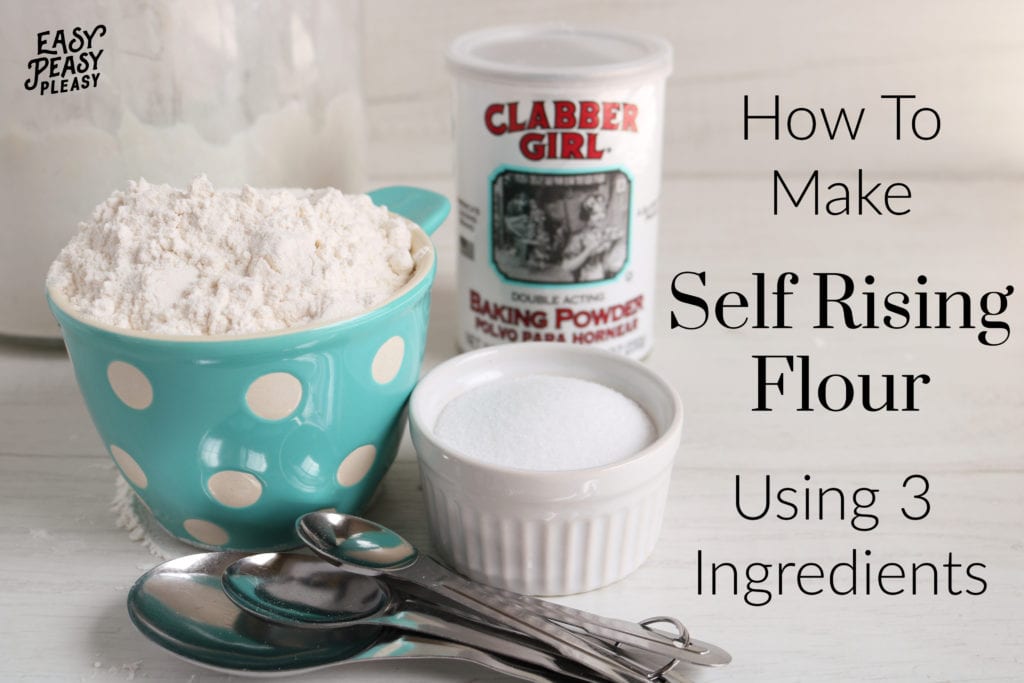
When a recipe calls for self‑rising flour, many home bakes reach for a trusted bag of all‑purpose flour and need a quick way to turn it into a leavened base. Self‑rising substitute solutions let cooks keep a single type of flour on the pantry shelf while still achieving the same fluffy rise that self‑rising flour normally provides. This small adjustment saves space, reduces waste, and gives bakers the flexibility they love when ingredients are limited.
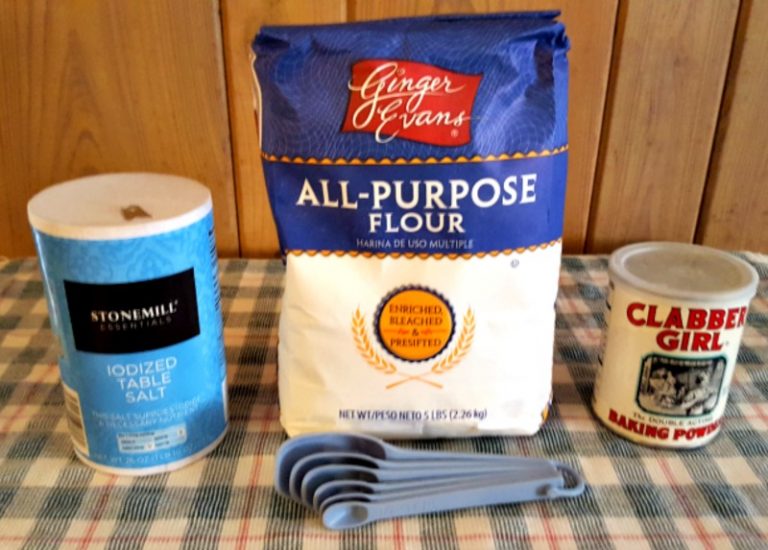
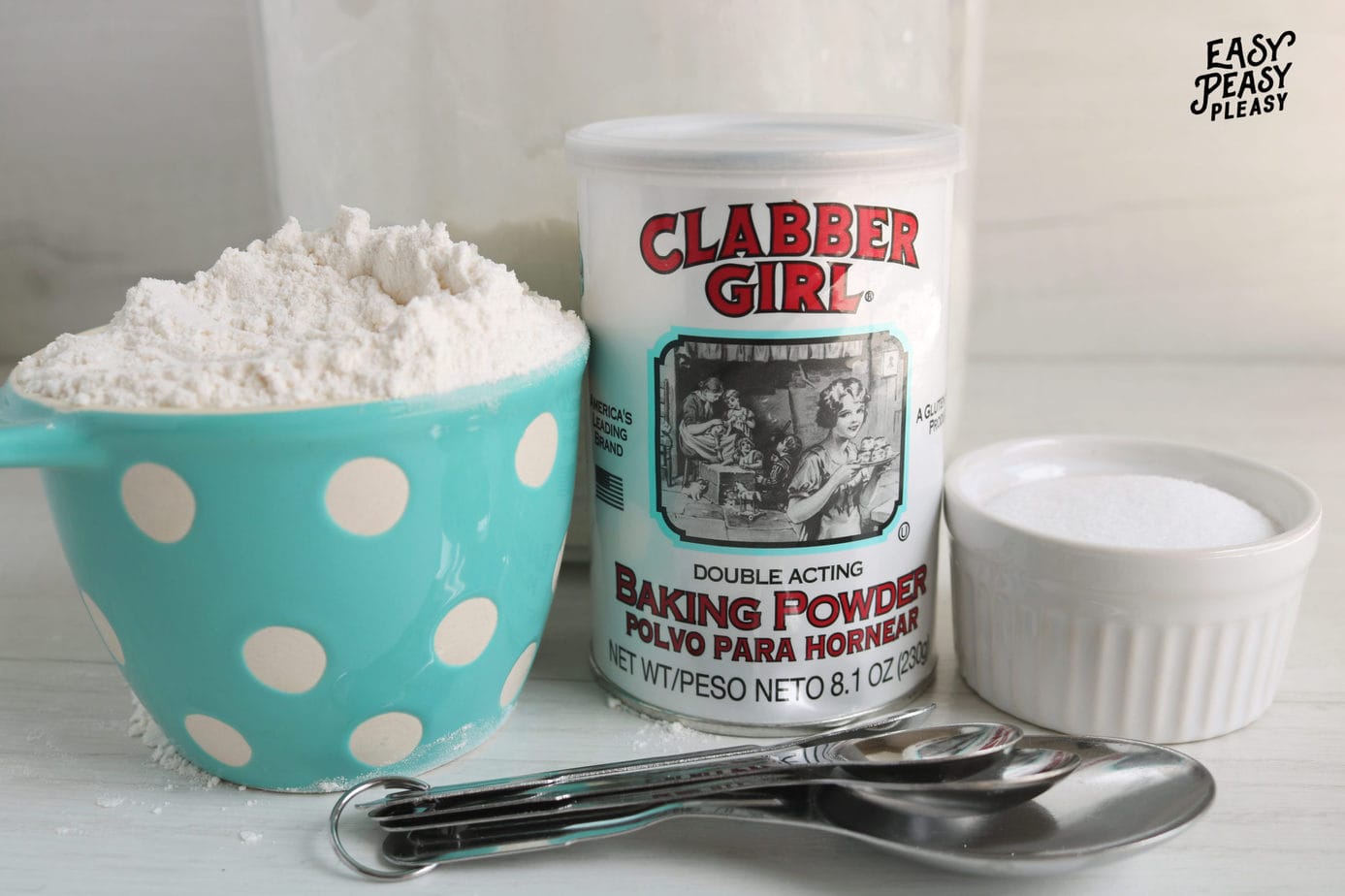
The core purpose of a self‑rising substitute is to add the necessary leavening agents—baking powder, sometimes salt, and sometimes a touch of acid—to plain flour. By measuring out roughly 1 ½ teaspoons of baking powder per cup of all‑purpose flour (or a comparable pre‑mixed blend) a baker recreates the chemical lift that self‑rising flour receives from its built‑in additives. This simple mix works whether the recipe calls for a cake, biscuits, or a quick bread, keeping the rise predictable without extra steps. For gluten‑free bakers, the same principle applies—combine a gluten‑free all‑purpose blend with a measured amount of baking powder to achieve lift without sacrificing texture.
In everyday life the convenience of a self‑rising substitute shines when a recipe arrives without specifying flour type, or when the pantry runs low of a special self‑rising bag. A quick stir of 1 ½ teaspoons of baking powder, a pinch of salt, and the desired flour yield a reliable base for pancakes on a weekday morning, scones for brunch, or muffins for an after‑school treat. The result is consistent texture, lighter crumb, and a sense of confidence that the bake will rise as promised. Because the blend is neutral, it also works in savory dishes such as herb‑infused muffins or cheese‑scallion cornbread, expanding its usefulness beyond sweet treats.
Must Read
Consider a scenario where a family decides to make quick biscuits but only all‑purpose flour is on the shelf. By whisking 1 ½ teaspoons of baking powder with a pinch of salt into the flour, the baker instantly creates a self‑rising blend that behaves exactly like the store‑bought version. The biscuits rise evenly, turn golden, and deliver the same flaky layers that everyone expects, proving that a simple substitution can rescue a craving without a trip to the store. The same method can be applied to quick pumpkin bread, where a light rise keeps the loaf tender while the pumpkin’s moisture stays balanced.
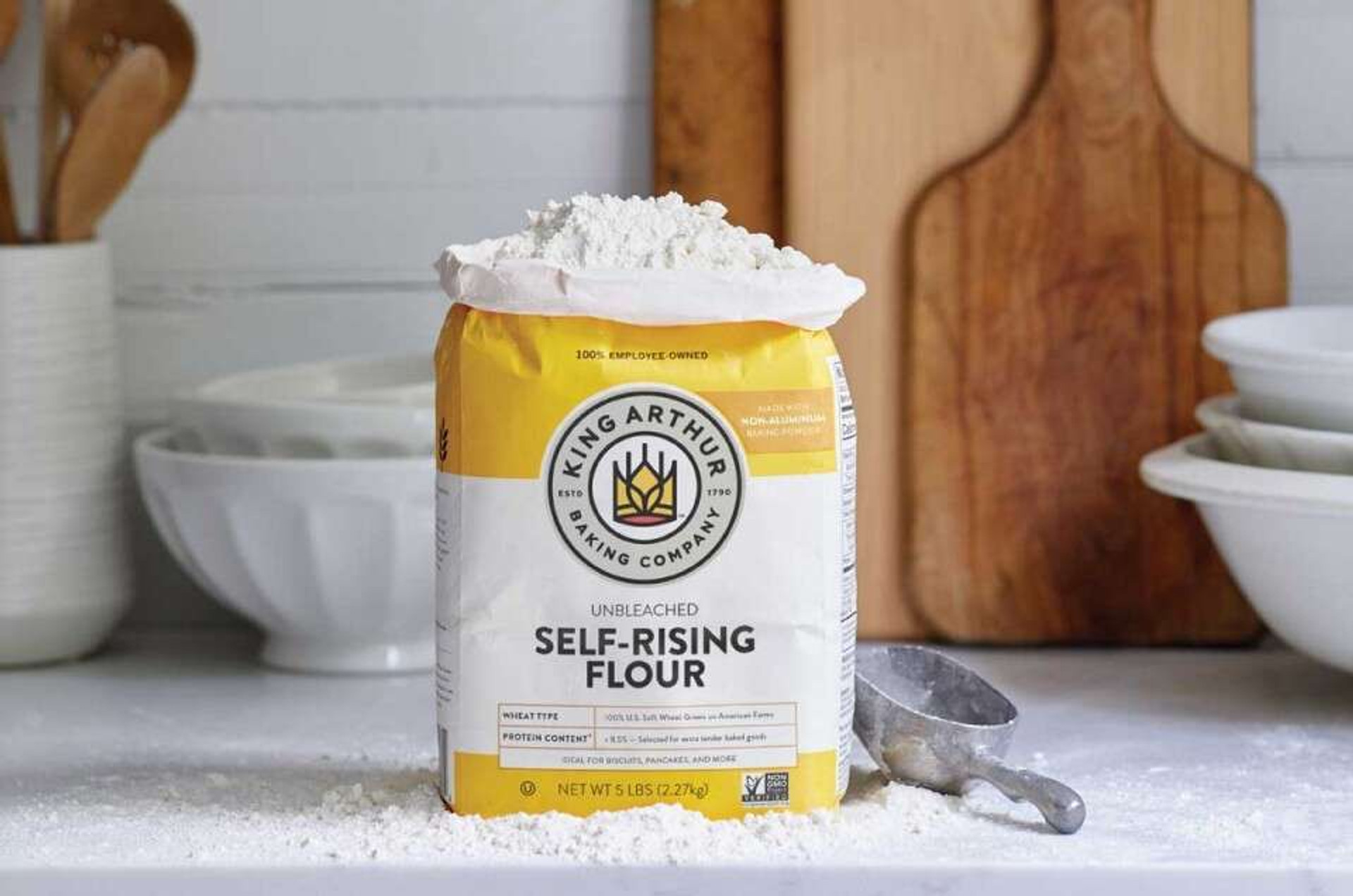 Unbleached Self-Rising Flour - King Arthur Baking Company
To explore the technique on your own, start with accurate measuring: a level cup of flour plus a level teaspoon of baking powder (or the proportion you find in your recipe) works best. Mixing the dry ingredients thoroughly before adding wet components prevents pockets of leavening that could cause uneven rise. Store any pre‑mixed self‑rising flour in an airtight container away from humidity, and label the blend with the date so you know when it’s still fresh—usually within a few months. If you run out of baking powder, a pinch of baking soda combined with a touch of acidic ingredient like buttermilk can mimic the lift, though the ratio must be adjusted carefully.
In short, a self‑rising substitute turns ordinary all‑purpose flour into a versatile pantry staple that matches the convenience of ready‑made self‑rising flour. Whether you’re rushing through a weekday breakfast or planning a weekend brunch, this simple blend saves time, reduces waste, and keeps your baking consistent. Give it a try, tweak the ratios to suit your favorite recipe, and enjoy the confidence that comes from knowing every loaf, biscuit, or muffin will rise beautifully. Give this substitution a place in your routine, and you’ll find that spontaneous baking becomes a joy rather than a logistical obstacle.