Self Rising And All Purpose Flour Difference

Flour is one of the most essential ingredients found in kitchens around the world, and understanding the difference between self-rising and all-purpose flour can significantly...

Flour is one of the most essential ingredients found in kitchens around the world, and understanding the difference between self-rising and all-purpose flour can significantly improve your everyday cooking and baking. Whether you are a seasoned home chef or someone who occasionally whips up a batch of biscuits on a lazy Sunday, knowing which flour to reach for can save time, reduce guesswork, and lead to consistently delicious results. Learning the distinction between these two staples gives you more control and confidence in the kitchen.
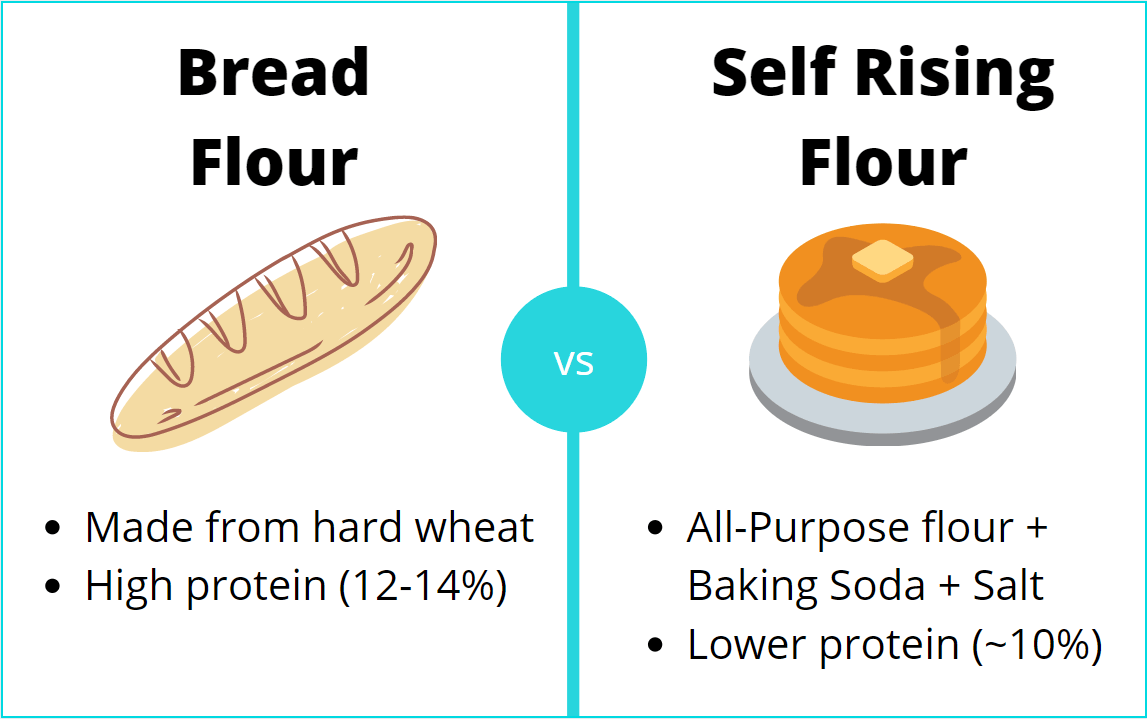
All-purpose flour is the versatile workhorse of the pantry. It is milled from a blend of hard and soft wheat, giving it a moderate protein content that makes it suitable for a wide range of recipes, from breads and cakes to sauces and thickened gravies. Its main advantage lies in its flexibility—you can use it in virtually any recipe that calls for flour without special considerations. When your recipe asks for a leavening agent like baking powder or baking soda and you reach for all-purpose flour, you have full control over how much rising power you want in your dish.
Self-rising flour, on the other hand, is simply all-purpose flour that already has baking powder and a small amount of salt mixed in. This makes it a convenient shortcut for recipes that require these leavening ingredients in standard proportions, particularly Southern favorites such as fluffy biscuits, quick breads, and pancake mixes. Using self-rising flour means you do not have to measure and combine baking powder and salt separately, which can streamline your process and reduce the number of items on your ingredient list.
Must Read
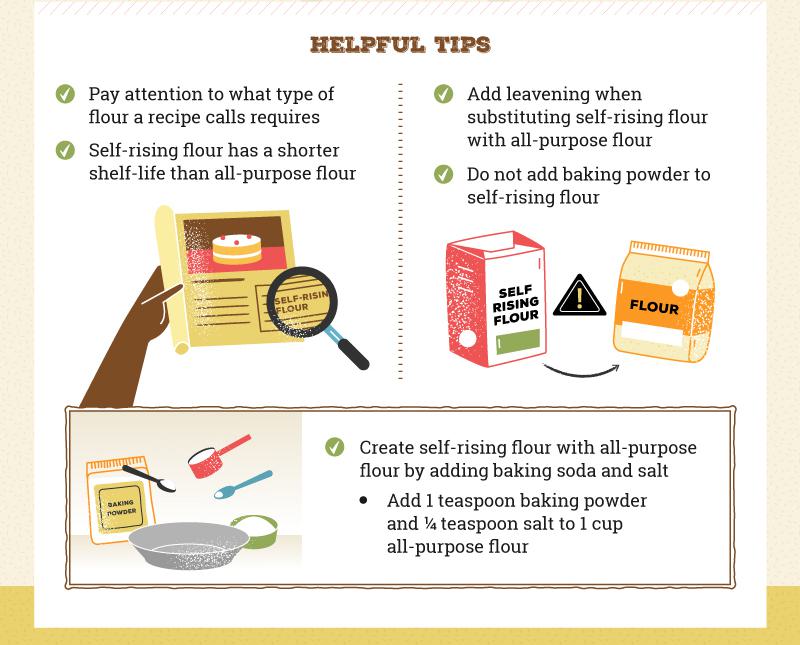
The key difference, then, is not just about the ingredients themselves but about recipe compatibility. If a recipe calls for all-purpose flour along with baking powder, using self-rising flour would double the leavening and could result in a gummy, over-risen texture. Conversely, substituting all-purpose flour in a recipe designed for self-rising flour without adding a leavener would produce a dense, heavy finished product. A practical scenario: imagine you are following a recipe for banana bread that requires two cups of self-rising flour. To adapt it with all-purpose flour, you would need to add roughly two teaspoons of baking powder and half a teaspoon of salt to match the same effect.
 Self Rising Flour All Purpose Flour Conversion | Detroit Chinatown
The benefits extend beyond the technical details. Knowing the difference helps you shop smarter and waste less. There is no need to buy multiple bags of specialty flour if you know how all-purpose flour combined with your own leaveners can replicate self-rising flour. This understanding also empowers you to adapt recipes freely—you can remove sugar from a biscuit recipe, swap dairy for a plant-based alternative, or adjust the rise of a cake simply by choosing which flour to use and how you supplement it.
To explore these flours on your own, try a simple side-by-side experiment using the same basic biscuit or pancake recipe, once with each flour type, and taste the difference in texture and crumb. Pay attention to the labels on store-bought flours, since brands may vary slightly in their baking powder ratios. Another useful tip: if you only have all-purpose flour and a recipe demands self-rising, you can make your own by whisking together one ounce of baking powder and a quarter teaspoon of salt for every cup of all-purpose flour. Finally, store both types in airtight containers in a cool, dry place to maintain freshness and leavening power.