Self Raising Flour Instead Of All Purpose Flour

There’s something genuinely satisfying about swapping one kitchen staple for another and discovering a whole new world of ease. Swapping self-raising flour for all-purpose flo...
There’s something genuinely satisfying about swapping one kitchen staple for another and discovering a whole new world of ease. Swapping self-raising flour for all-purpose flour is exactly that kind of happy accident—a small change that makes baking feel effortless, especially when you’re short on time or patience. This topic resonates because it’s both practical and widely appreciated by home cooks who want fluffy scones, quick pancakes, or a tender cake without fiddling with separate leaveners. It’s a shift that turns a bit of flour into a shortcut for deliciousness.
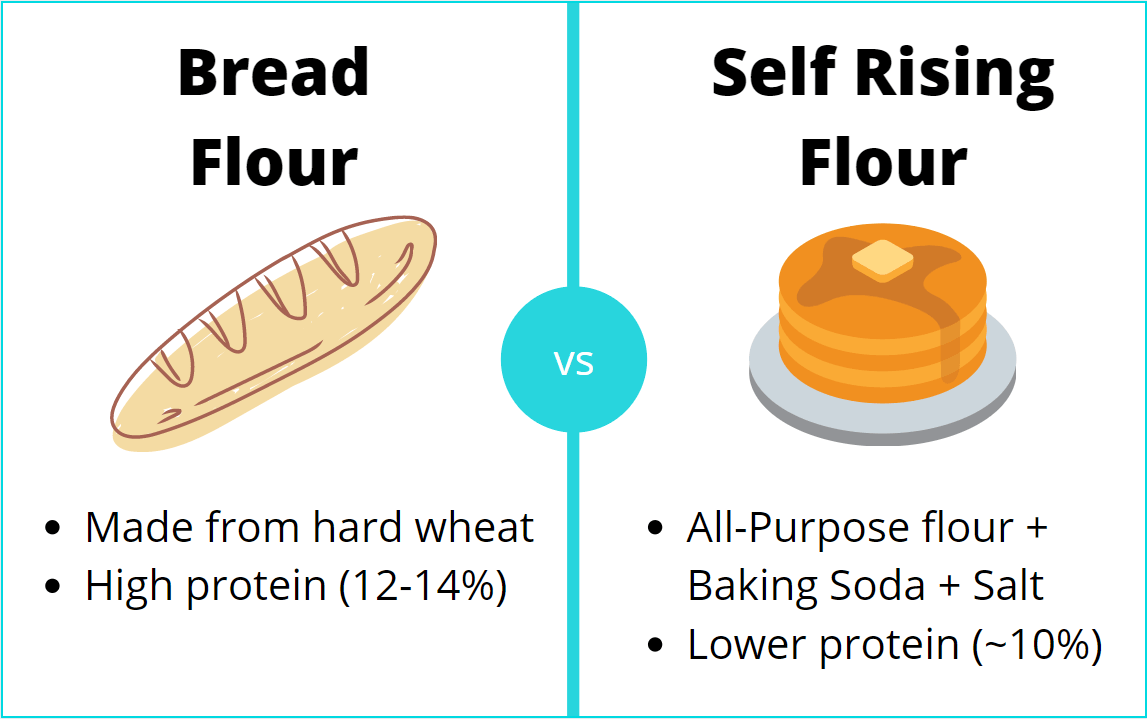
The main purpose of self-raising flour is to simplify your life. It’s essentially all-purpose flour with baking powder and salt already mixed in, so you get consistent rises every time. For beginners, this removes the guesswork of measuring tiny amounts of baking powder—no more worrying about a flat sponge or a dense biscuit. Busy parents love it for whipping up last-minute muffins with the kids, while seasoned bakers appreciate it for rustic breads or dumplings where a gentle lift is all you need. It’s a reliable shortcut that saves two extra steps and reduces counter clutter.
You’ve probably seen self-raising flour used in classic treats without even realizing it. Think of those tall, golden scones at a tea shop—likely born from self-raising flour. Or the super-soft American pancakes that practically puff on the griddle—yep, that’s its magic at work. Similarly, simple loaf cakes, jam roly-polys, and even some pizza bases (if you like a softer crust) lean on this flour’s built-in lift. The common variation wholemeal self-raising flour adds a nutty flavor to muffins and crumbles, while gluten-free versions give celiac friends the same carefree baking experience.
Must Read
One simple tip to get started: never confuse the two in a recipe. If a recipe calls for all-purpose flour and you only have self-raising, just leave out the baking powder and salt listed. For every cup of self-raising, omit about 1½ teaspoons of baking powder and ¼ teaspoon of salt. This keeps your baked goods from tasting soapy or metallic from too much leavener. Conversely, if a recipe asks for self-raising and you have all-purpose, add those exact amounts yourself—it’s a quick fix that works every time.
Another actionable tip: store self-raising flour correctly. Because the baking powder is mixed in, it loses potency faster than all-purpose flour. Keep it in an airtight container in a cool, dark pantry—or even the fridge if you live in a humid area. Use it within three to six months, and do a freshness test: mix a teaspoon of flour with a little hot water; if it fizzes gently, it’s still active. This ensures your scones stay light and your pancakes rise with confidence.
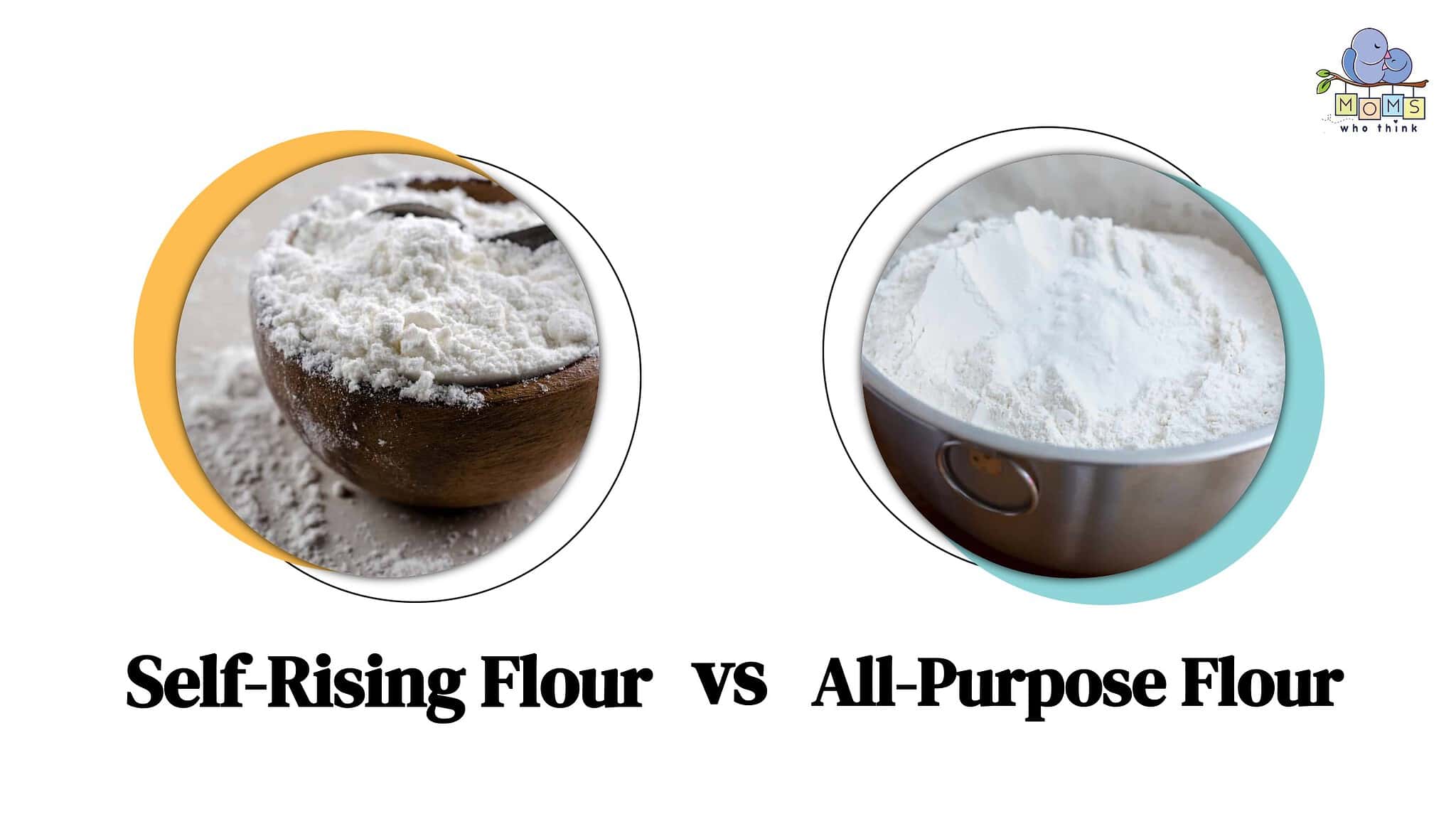 Self-Rising vs. All-Purpose Flour: 3 Differences & Can You Substitute Them?
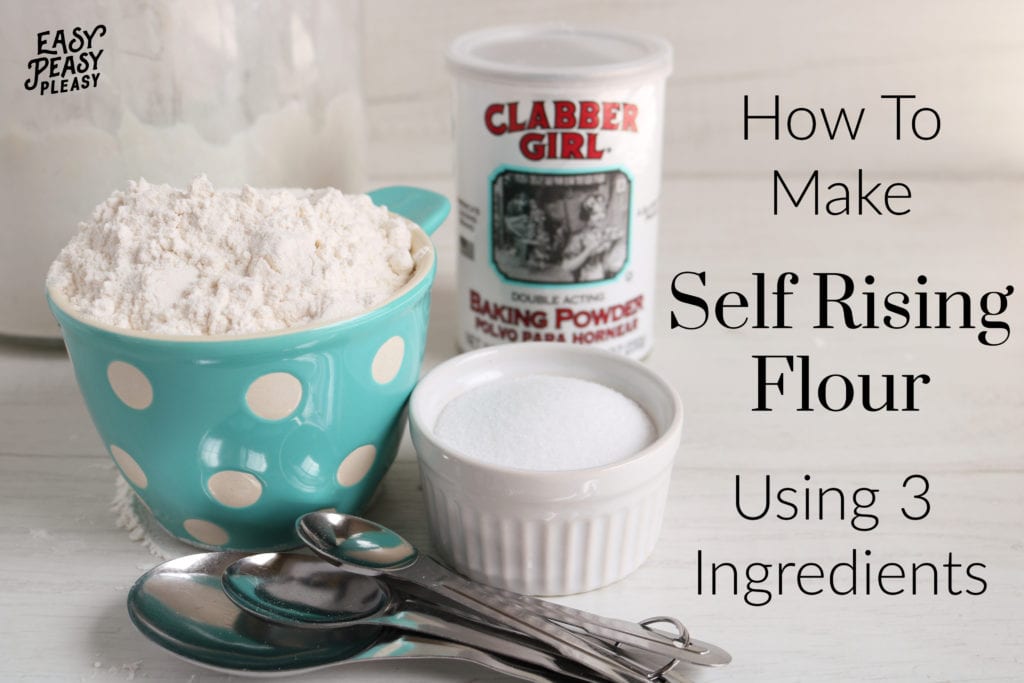
For those who love flexibility, you can also make your own self-raising blend in seconds. Just whisk together 1 cup of all-purpose flour with 1½ teaspoons of baking powder and ¼ teaspoon of salt. That’s it—you’ve turned your standard flour into a self-raising powerhouse. This is perfect for when a recipe suddenly calls for self-raising and your cupboard only holds all-purpose. It’s a lifesaver during busy holiday mornings or impromptu baking sessions with friends.
Ultimately, using self-raising flour instead of all-purpose isn’t about rigid rules—it’s about making baking feel fun and forgiving. Whether you’re a weekend dabbler or a daily maker, this swap invites you to relax. No frantic searches for baking powder, no split-second calculations. Just scoop, stir, and trust that the flour will do the heavy lifting. So next time you’re in the baking aisle, grab a bag of self-raising flour. You might just find yourself reaching for it more often—and enjoying every light, fluffy result.