Safflower Oil Vs Sunflower Oil

You’ve probably stood in the cooking oil aisle, scratching your head over two almost identical bottles: safflower oil and sunflower oil. They’ve become kitchen heroes for thei...
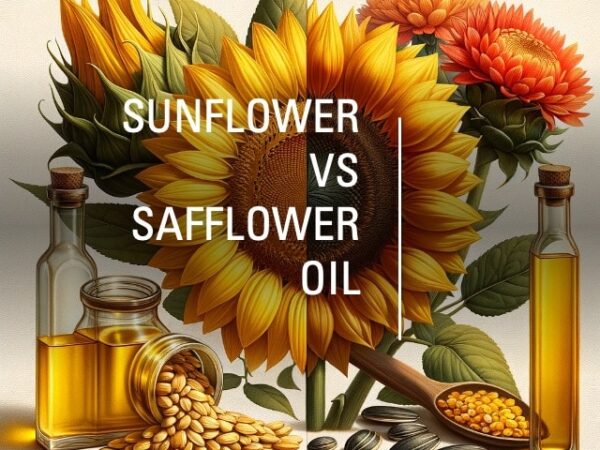
You’ve probably stood in the cooking oil aisle, scratching your head over two almost identical bottles: safflower oil and sunflower oil. They’ve become kitchen heroes for their mild flavors and high smoke points, making them a go-to choice for everyone from busy parents to fitness junkies. But picking the right one isn’t just about what’s on sale—it matters for your health, your budget, and even your community’s access to heart-friendly fats.
First, let’s talk about why this choice matters for your body. Both oils are packed with unsaturated fats, which are good for your heart, but they differ in omega-6 content. Safflower oil is often higher in linoleic acid, which supports skin health and inflammation balance when used in moderation. Sunflower oil, especially the high-oleic variety, offers more monounsaturated fats—great for stabilizing blood sugar and reducing bad cholesterol. For a family trying to cut heart disease risk, switching from palm oil to either of these can be a small, powerful shift.
Think about real-life meals: you’re frying chicken for a Sunday dinner. Sunflower oil holds up beautifully at high heat without smoking, giving you crispy, golden skin without a heavy taste. Safflower oil, on the other hand, is a salad dressing superstar—whisk it with vinegar, herbs, and a pinch of salt for a light, clean dressing that doesn’t overpower your greens. For busy parents, using one bottle for both stir-fries and dips saves space and hassle.
Must Read
Community-level benefits are real, too. Small farmers often grow both crops, but sunflower oil is more widely available in budget-friendly stores, making it an accessible choice for low-income families. Safflower oil, while pricier, is sometimes grown with fewer pesticides, supporting local, sustainable agriculture. When you buy safflower oil from a regional co-op, you’re putting money back into your neighbors’ hands.
So how do you choose without overthinking? Start with your cooking style. If you deep-fry often, grab high-oleic sunflower oil—it’s stable, affordable, and stores well. For raw uses like salads or dips, safflower oil’s lighter texture makes it ideal. A practical tip: buy smaller bottles first, and test them side by side in a simple vinaigrette. You’ll quickly notice which one your family prefers.
 Safflower Oil for Color Damage
Keep it simple: use sunflower oil for heat, safflower for cold. And don’t stress over perfection—both oils are vastly better than hydrogenated or tropical oils. If you’re meal prepping for the week, roast vegetables with sunflower oil at 400°F, then drizzle safflower oil over finished dishes for a subtle, healthy boost. Your pantry will thank you, and so will your health goals.
In the end, this isn’t about picking one winner—it’s about matching the oil to the moment. Both safflower and sunflower oils bring lightness and flexibility to your table, helping you cook with confidence and care. So next time you’re in that aisle, smile: you’ve got a real choice that makes every meal a little better, for you and your community. Enjoy the experiment.

