Safe Poultry Cooking Temperature

There’s something genuinely satisfying about cooking poultry—a golden, crispy-skinned chicken or a perfectly juicy Thanksgiving turkey feels like a quiet victory in the kitche...
There’s something genuinely satisfying about cooking poultry—a golden, crispy-skinned chicken or a perfectly juicy Thanksgiving turkey feels like a quiet victory in the kitchen. But what makes this topic so enjoyable and practical is that it’s one of those rare cooking skills where science meets art in a very friendly way. Whether you’re a weekend grill master, a busy parent meal-prepping for the week, or someone trying to impress dinner guests, knowing the safe internal temperature for poultry doesn’t just protect your health—it also ensures your bird stays tender and flavorful. It’s a small piece of knowledge that brings big confidence to any cook.
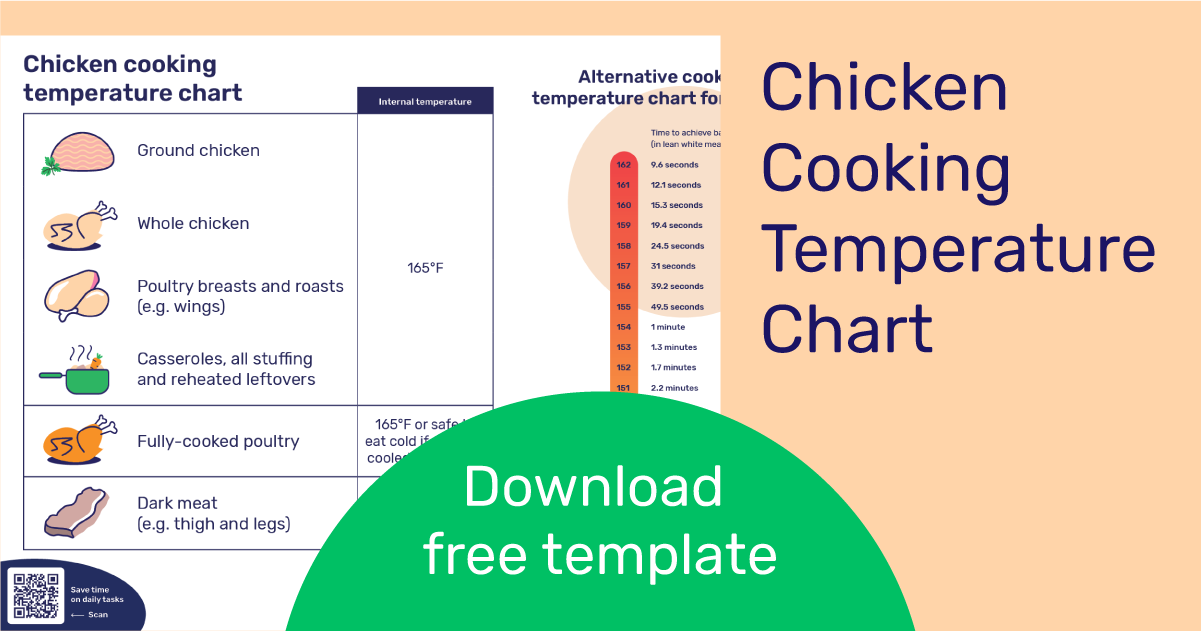
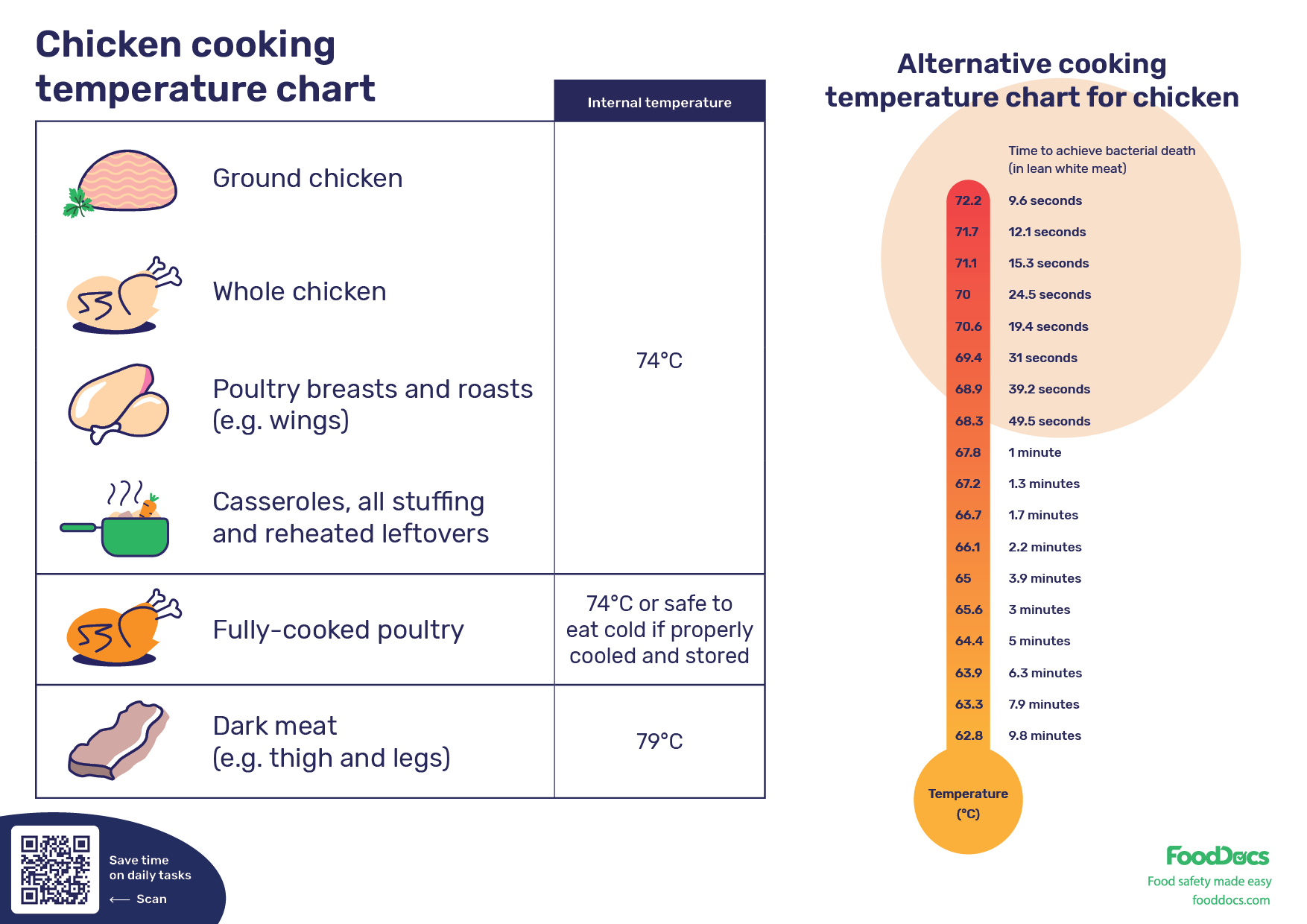
The main purpose of nailing poultry cooking temperature is simple: kill harmful bacteria like Salmonella and Campylobacter without turning your dinner into shoe leather. The USDA has studied this extensively, and the magic number for all poultry—chicken, turkey, duck, and even game birds—is 165°F (74°C) at the thickest part of the meat. For boneless cuts like chicken breasts or thighs, this temperature guarantees safety while keeping moisture locked in. The real benefit here is peace of mind for everyone: parents can serve drumsticks to toddlers without worry, and hosts can serve roast chicken to guests with zero stress about undercooking.
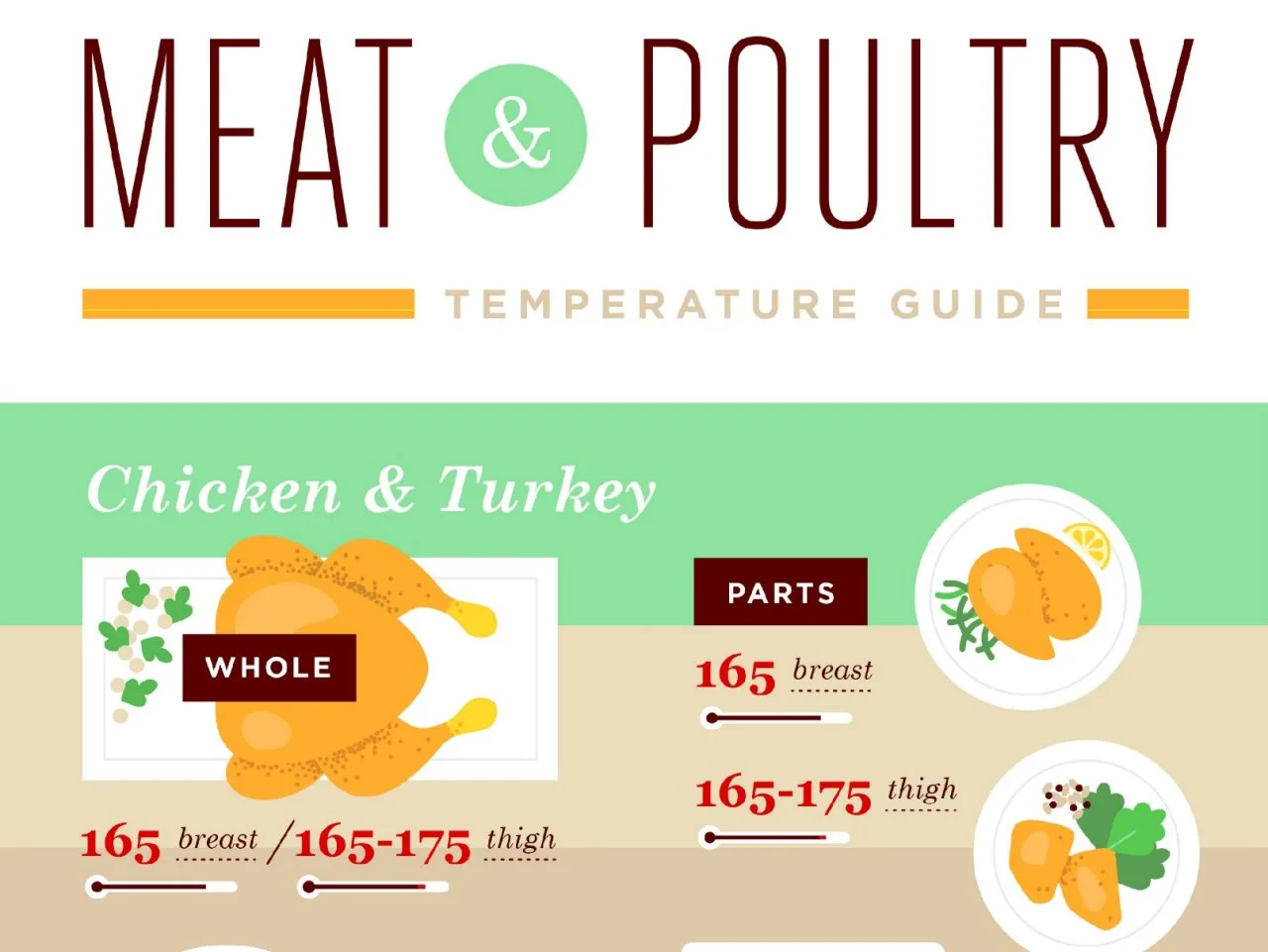
You might already recognize some common variations in the poultry world. For instance, many home cooks swear by whole roasted chicken at 165°F in the breast and 175°F to 180°F in the thigh for better texture. Others love grilled chicken wings, which need to hit that same 165°F in the deepest part near the bone. Even ground poultry—like turkey burgers or chicken meatballs—must reach 165°F because grinding can spread bacteria throughout the meat. No matter the cut or recipe, that magic number stays the same, making it one of the easiest rules to remember in the kitchen.
Must Read
To get started on the right foot, grab a reliable instant-read digital thermometer. It’s your best friend here—far more accurate than guessing by color or juiciness (clear juices are a hint, but not a guarantee). Insert the probe into the thickest part of the meat, avoiding bone, fat, or the pan. For whole birds, check both the breast and the inner thigh. And here’s a helpful tip: let your poultry rest for 5 to 10 minutes after removing it from heat. During resting, the internal temperature will rise by a few degrees (called carryover cooking), so you can pull it off at about 160°F to 162°F and watch it hit 165°F safely.
One common trap people fall into is overcooking out of fear. They crank the heat until the meat looks dry and stringy, missing out on the natural juiciness of well-cooked poultry. To avoid this, use a thermometer every single time—even after you’ve cooked the same recipe a hundred times. For boneless, skinless chicken breasts, try cooking to 160°F and letting carryover do the rest. For thighs and legs, which have more fat, you can go a bit higher (up to 175°F) without drying them out. Small adjustments make a huge difference in the final taste and texture.
 Poultry Temperature Chart Printable Meat Temperature Safety Chart And
Another simple hack: when cooking multiple pieces of poultry at once—think sheet pan dinners or a big batch of wings—take the temperature of several pieces, not just one. Because ovens and grills can have hot spots, you want to ensure every piece hits 165°F. If one piece is still at 155°F, pop it back in for a couple more minutes. This approach turns a potentially risky meal into a repeatable success. And if you’re using a slow cooker or pressure cooker, poultry often reaches higher temperatures naturally, but always double-check with that trusty probe.
Finally, remember that safe poultry cooking temperature isn’t a rigid chore—it’s a tool for better cooking. Once you internalize 165°F, you can confidently experiment with marinades, brines, stuffings, and spice rubs. You’ll stop second-guessing yourself and start enjoying the process more. So next time you’re roasting a whole bird or pan-searing a cutlet, take a moment to appreciate this one, simple number. It keeps you safe, your food delicious, and your kitchen joyfully stress-free. Happy cooking—and trust the temp!