Safe Internal Temp For Meatloaf

There are few comforts quite like a slice of perfectly cooked meatloaf. The way it anchors a family dinner, soaking up ketchup or gravy alongside a mound of mashed potatoes, i...
There are few comforts quite like a slice of perfectly cooked meatloaf. The way it anchors a family dinner, soaking up ketchup or gravy alongside a mound of mashed potatoes, is a culinary tradition that spans generations. For many home cooks, meatloaf is a reliable, economical, and deeply satisfying way to stretch ground meat into a memorable meal. It’s the dish that solves the weeknight dinner dilemma: it’s simple to prepare, forgiving of a busy schedule, and often tastes even better the next day on a sandwich. Yet, for all its rustic charm, achieving that ideal texture—moist but not mushy, firm but not dry—hinges on one critical factor: getting the internal temperature exactly right.
The primary purpose of knowing the safe internal temperature for meatloaf is, of course, food safety. Ground meat carries a higher risk of harboring harmful bacteria like Salmonella or E. coli because the grinding process can spread surface bacteria throughout the entire mixture. Unlike a steak, which can be safely enjoyed medium-rare on the outside, meatloaf must be cooked to an internal temperature high enough to kill these pathogens throughout. The single most reliable tool for this job is an instant-read meat thermometer. Relying on cooking time or the color of the juices is a gamble; only the thermometer gives you the facts. This isn’t just about avoiding illness—it’s about serving your family with confidence.
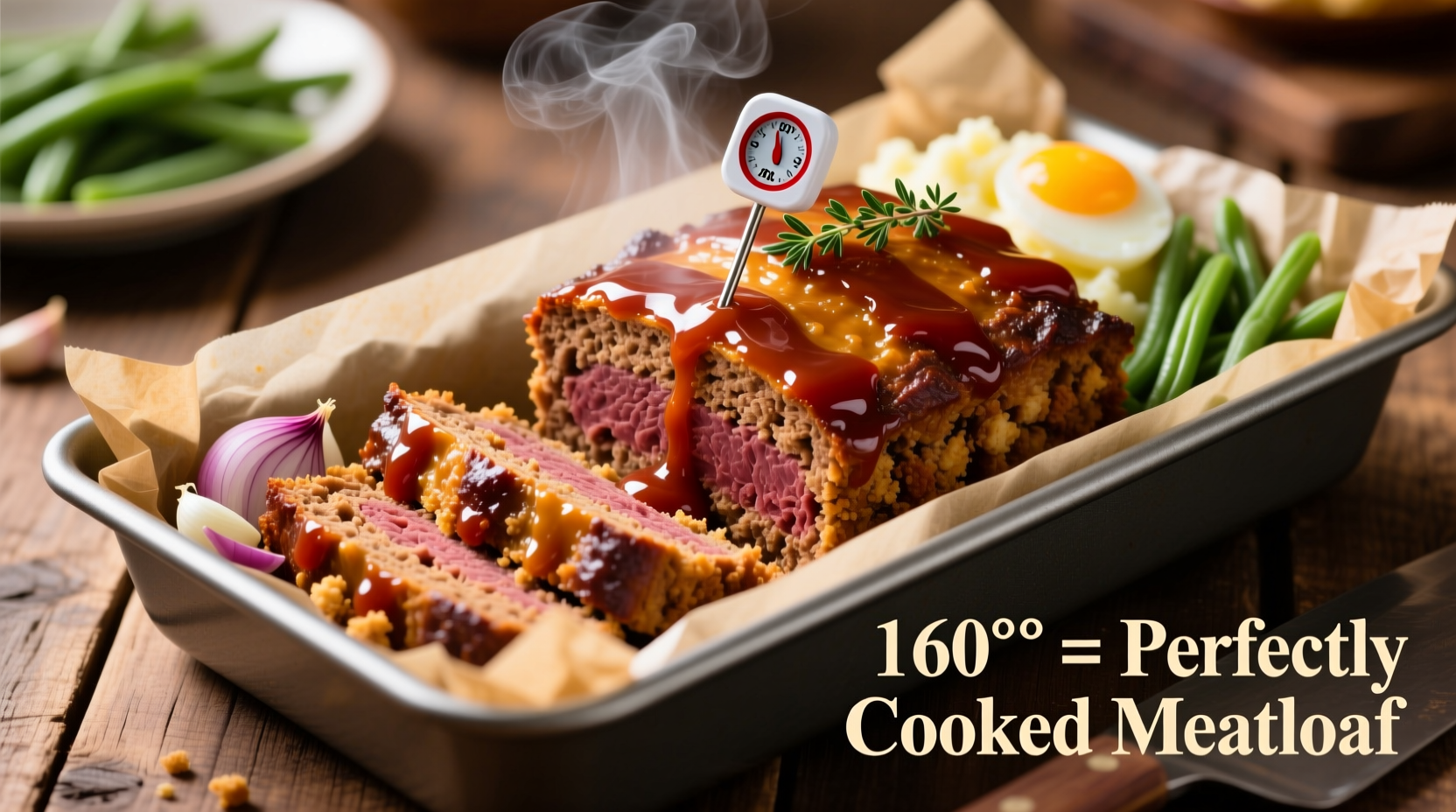
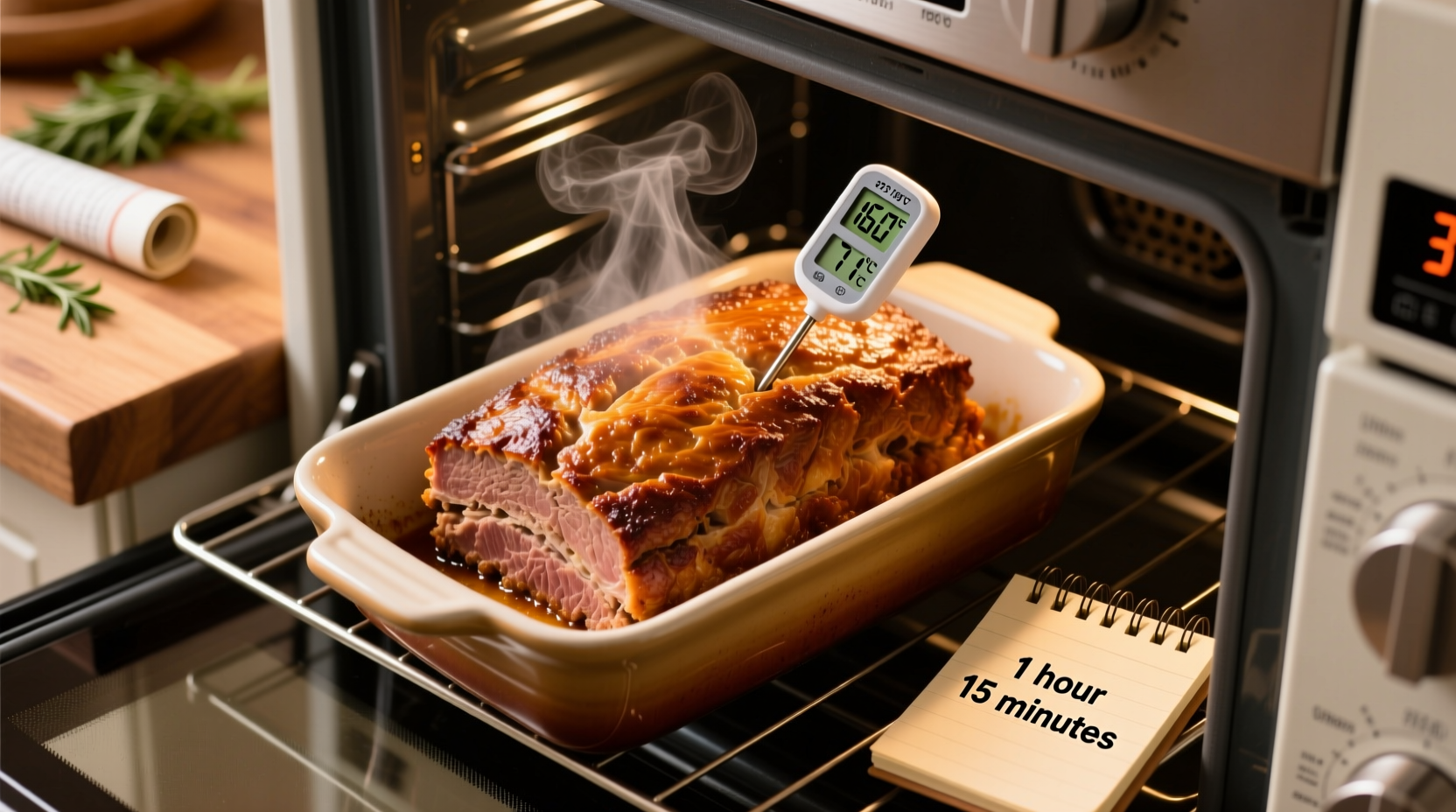
The official standard, as recommended by the USDA, is that a meatloaf made with beef, pork, veal, or lamb must reach an internal temperature of 160°F (71°C). This temperature holds for one minute to ensure that any lingering bacteria are neutralized. However, many experienced cooks and chefs argue for a slightly different finish. Because meatloaf is a mixture of proteins and often contains breadcrumbs, eggs, and vegetables, it can dry out quickly at 160°F. A target of 155°F to 160°F often yields a juicier result, provided you let the loaf rest. Consider this: a busy parent might pull a meatloaf at 155°F, then let it rest for ten minutes. During that rest, the carryover cooking will raise the temperature another 5 degrees, safely landing at 160°F without overcooking the center.
Must Read
To illustrate the difference a thermometer makes, imagine two weeknight scenarios. In the first, you follow a recipe that says "bake at 350°F for one hour." You slice into the meatloaf, and the inside is dry and gray, the edges tough. You’ve cooked it to steam-bath dryness. In the second, you insert your thermometer into the center after 50 minutes. It reads 155°F. You remove the pan, tent it with foil, and let it rest. When you slice it, the meat is pink-tinged with visible moisture, but a quick check shows it’s now a safe 160°F. The texture is sublime—tender, not dry. This is the difference between a meal that merely feeds and one that truly nourishes and delights.
For those eager to master their own meatloaf, a few simple tips can transform your results. First, invest in a quality instant-read thermometer. It’s the single most important purchase for any meat cook. Second, insert the thermometer into the center of the meatloaf, avoiding the pan’s bottom or any large pockets of vegetables or cheese that might give a false reading. Third, and this is key, do not rely solely on cooking time. Oven temperatures vary, and a two-pound loaf will cook differently than a three-pound one. Start checking the temperature with a thermometer about 15 minutes before the recipe’s suggested end time. Finally, resist the urge to cut into the meatloaf immediately. A 10-to-15-minute rest allows the juices to re-distribute, ensuring every slice is moist and flavorful.
:strip_icc()/BHG-when-is-meatloaf-done-step-01-0573-1_124kA6HcqWvAY2qjC5kgME-6805831c409d4ac990e0a4c4101addba.jpg) Target This Meatloaf Temperature
Target This Meatloaf Temperature
Beyond safety and texture, temperature awareness offers a deeper benefit: it frees you from recipe anxiety. You can experiment with different meats, like a blend of ground pork, beef, and veal, or add ingredients like finely chopped mushrooms or caramelized onions, knowing that your thermometer is your guide. The goal is no longer a vague “cooked through,” but a specific, trackable target. This precision turns meatloaf from a simple comfort food into a reliable technique you can apply to any ground meat dish, from meatballs to burgers to stuffed peppers.
In the end, the safe internal temperature for meatloaf is about far more than a number. It’s the bridge between tradition and modern food science, between guesswork and consistent excellence. By embracing the 160°F (or 155°F with resting) standard, you give yourself permission to cook with freedom and joy. The next time you shape a loaf, tuck in your thermometer, and wait for that beep, know that you’re not just cooking dinner—you’re mastering a cornerstone of home cooking. That first perfect, safe, and succulent slice is the reward.