Rutabaga Vs Turnip

Rooting for the Underdog: Rutabaga vs Turnip Ever found yourself in the produce aisle, squinting at a sign that reads 'Rutabaga' and wondered, "What on earth is that?" You're...
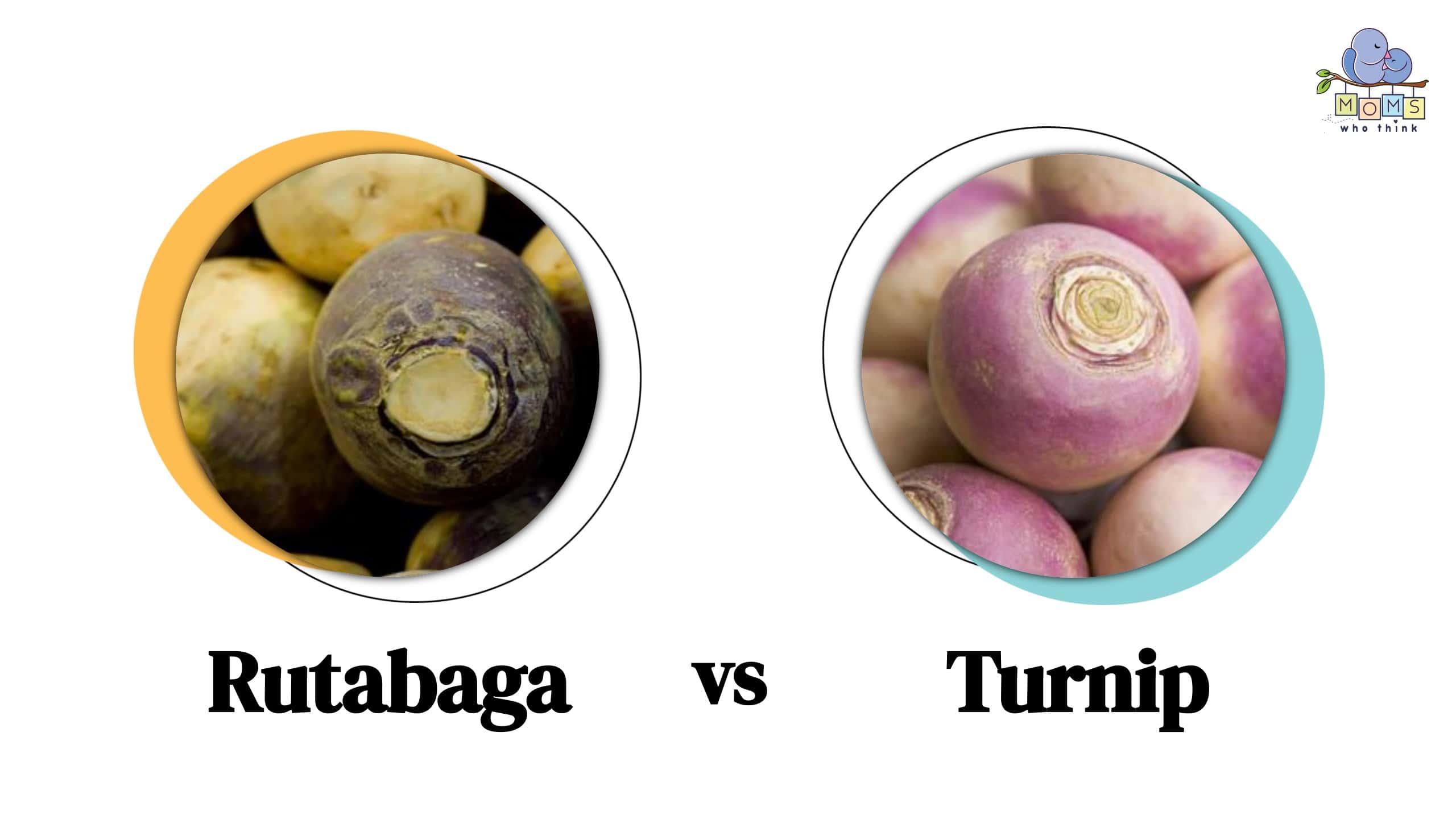
Rooting for the Underdog: Rutabaga vs Turnip
Ever found yourself in the produce aisle, squinting at a sign that reads 'Rutabaga' and wondered, "What on earth is that?" You're not alone. These humble root vegetables often get overshadowed by their more popular cousin, the turnip. But fear not, dear reader, we're here to shed some light on these often-misunderstood root veggies and settle the age-old debate: Rutabaga vs Turnip.
Meet the Players
Let's start with the turnip. You know it, you've probably eaten it, and it's been a staple in many cultures for centuries. It's got a mild flavor, a crisp texture, and it's versatile enough to be eaten raw, boiled, or roasted. It's also the star of many a folk tale, from the Irish legend of the 'Turnip Man' to the Japanese 'Turnip Princess' story.
The rutabaga, on the other hand, is a bit of a mystery. It's a cross between a cabbage and a turnip, and it's got a unique flavor that's often described as a blend of cabbage and carrot. It's less common in many parts of the world, but it's a staple in Scandinavian cuisine, where it's often served as a side dish or in stews.
Must Read
Taste Test
So, how do they differ in taste? Well, as we mentioned, the turnip has a mild, slightly sweet flavor. It's often compared to a radish, but less spicy. The rutabaga, however, has a more robust flavor. It's earthy, slightly sweet, and has a hint of bitterness. It's definitely an acquired taste, but once you're on board, you're on board for life.
Fun fact: The rutabaga's strong flavor is why it's often used in stews and slow-cooked dishes. The long cooking time helps to mellow out its flavor and bring out its sweetness.
Nutrition Showdown
Alright, let's get down to brass tacks. Which is healthier? Both are packed with vitamins and minerals, but they've got different strengths. The turnip is lower in calories and higher in vitamin C, while the rutabaga is higher in vitamin A and potassium.
Both are also high in fiber, which is great for your digestion. And they're both low on the glycemic index, meaning they won't cause a big spike in your blood sugar. So, it's a bit of a toss-up. Both are excellent choices for a healthy diet.
Cooking Tips
Now that we've established that both are worthy of a spot in your grocery cart, let's talk about how to cook them. Turnips are super easy. You can eat them raw, boil them, roast them, or even pickle them. They're also great in soups and stews.
 Difference Between a Turnip and a Rutabaga You Must Know - Fitibility
Rutabagas, on the other hand, need a bit more TLC. They've got a tough skin and a dense texture, so they're best cooked low and slow. Try roasting them with some olive oil, salt, and pepper, or adding them to a slow-cooker stew. They're also great mashed - just add a bit of butter and milk to mellow out their flavor.
Cultural Significance
Both vegetables have played significant roles in various cultures throughout history. In many European countries, turnips were a staple food for the poor. In Scotland, they were even used as currency for a time. The rutabaga, meanwhile, was a lifesaver during the Irish Potato Famine. It's hardy enough to grow in poor soil and can survive frost, making it a reliable crop in harsh climates.
Today, both vegetables are celebrated in various culinary traditions. The turnip features prominently in Korean and Japanese cuisines, while the rutabaga is a star in Norwegian and Swedish dishes.
Reflection
So, which is better? Rutabaga or turnip? The truth is, they're both fantastic in their own way. They've got unique flavors, they're packed with nutrients, and they've got fascinating histories. Plus, they're both affordable and versatile, making them excellent choices for budget-conscious, health-conscious cooks.
In a world where we're often encouraged to choose one thing over another, it's refreshing to find a situation where the answer is simply, "Why not both?" So, the next time you're at the grocery store, why not pick up a turnip and a rutabaga? You might just find that they're the perfect pair.
