Resistance Movements In World War 2

Alright, gather 'round, folks. I've got a tale to tell you. Picture this: it's 1943, and there's this little French town, right? In walks a German soldier, all decked out in h...
Alright, gather 'round, folks. I've got a tale to tell you. Picture this: it's 1943, and there's this little French town, right? In walks a German soldier, all decked out in his uniform, strutting down the main street. Suddenly, he slips on a banana peel. Now, I know what you're thinking, "That's not how it happened, it's just a cliché!" Well, hold your horses, because this time, it's true. Why? Because someone had the guts to throw that peel there, just to make the Nazi slip. That, my friends, is the power of resistance.
Resistance: The Unsung Heroes of WW2
Now, you might be wondering, "What's the big deal about a banana peel?" Well, let me tell you, that peel was a symbol of something much bigger. It was a sign that even in the darkest times, people had the courage to stand up and say, "No, we won't take this lying down." That, my friends, is what resistance movements were all about during World War 2.
You see, while the big guns were booming and the tanks were rolling, there were countless unsung heroes behind the scenes, fighting their own battles. They were the ones sneaking out at night to sabotage Nazi operations, the ones printing underground newspapers to spread the truth, and the ones hiding Jews in their attics, risking their lives to protect others. They were the resistance, and they were everywhere.
Must Read
From France to Poland: A Global Phenomenon
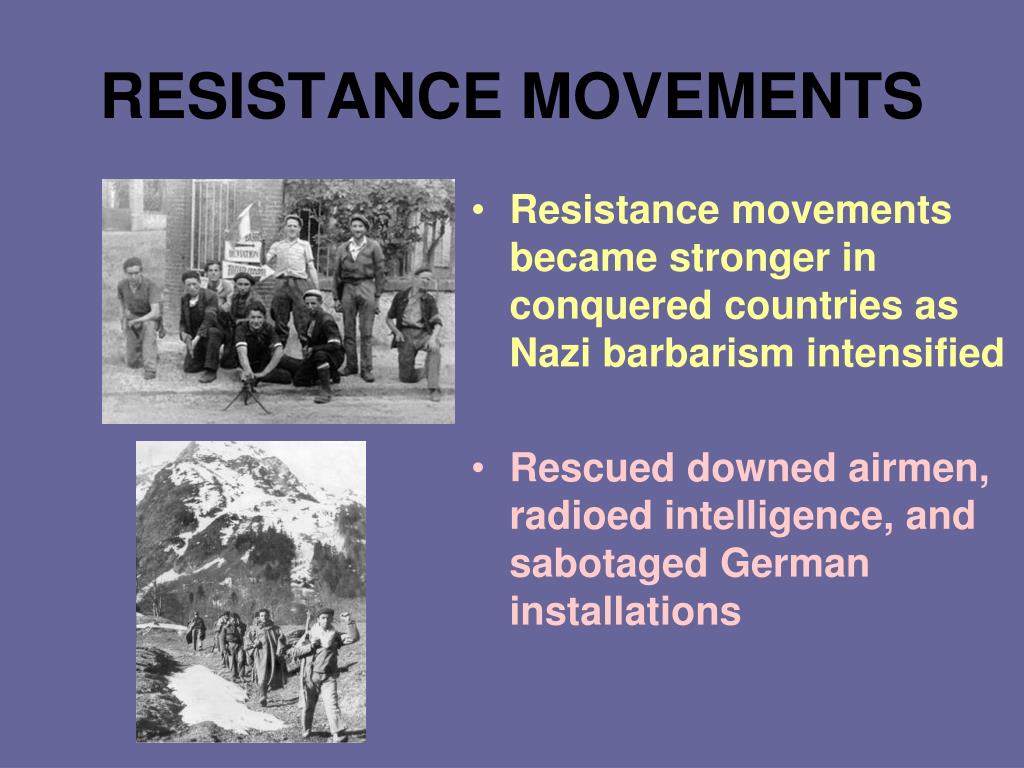
Take the French Resistance, for instance. They were a motley crew, made up of everyone from farmers to philosophers. They started small, with acts of sabotage and intelligence gathering, but as the war went on, they grew bolder. They even had their own secret radio station, broadcasting from the heart of Paris, keeping the French spirit alive.
Then there was the Polish Home Army, or Armia Krajowa. They were the largest resistance movement in occupied Europe, with over 400,000 members at their peak. They fought the Nazis on the streets of Warsaw, even after the city was all but destroyed. And let's not forget the Soviet partisans, who operated deep in the forests, striking fear into the hearts of the Nazi invaders.
And what about the Jews who fought back in the ghettos? The Warsaw Ghetto Uprising, led by the Jewish Combat Organization, was a testament to their courage and determination. They knew they were outmatched, but they fought anyway, armed with little more than pistols and homemade grenades. Their story is a reminder that resistance isn't always about winning; sometimes, it's about fighting back, no matter the odds.
Resistance: More Than Just Fighting
But resistance wasn't just about fighting. It was about preserving culture, protecting the innocent, and keeping hope alive. In Denmark, the resistance managed to save almost the entire Jewish population by smuggling them to safety in Sweden. In the Netherlands, they printed thousands of fake identity cards to protect Jews from deportation.
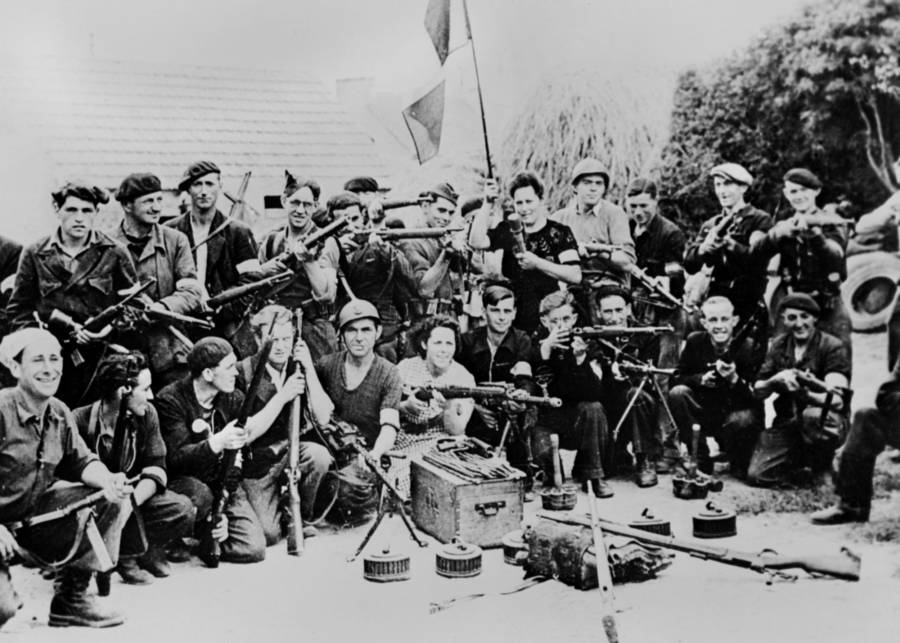 French Resistance: 21 Scenes From The Battle To Take Back France
And then there were the artists and writers who refused to let their creativity be silenced. They wrote poems and painted pictures that defied the Nazi ideology, proving that art can be a powerful form of resistance. Even something as simple as a joke could be a form of resistance, a way to laugh in the face of oppression.
Now, you might be thinking, "That's all well and good, but what did the resistance actually achieve?" Well, let me tell you, they achieved a lot. They slowed down the Nazi war machine, gathered vital intelligence, and kept the spirit of resistance alive. They proved that even in the darkest times, people could come together and fight back.
But perhaps the most important thing they achieved was giving hope to those who were suffering. They showed that even when everything seemed lost, there were still people out there fighting for a better future. And sometimes, that's all you need to keep going.
Remembering the Resistance
So, the next time you hear about World War 2, don't just think about the big battles and the famous leaders. Remember the resistance. Remember the people who fought back in their own way, who refused to give in, who kept the flame of hope alive. They might not have had the biggest guns or the fanciest uniforms, but they had something just as powerful: the courage to resist.
And who knows? Maybe one day, you'll find yourself in a situation where you have to resist. Maybe it won't be against Nazis, but against something just as oppressive. And when that day comes, remember the banana peel. Remember that even the smallest act of resistance can make a difference. Now, go forth and be brave, my friends. The world needs more resisters.
