Replacement For Milk In Mac And Cheese

If you've ever been mid-recipe and realized there's no milk left in the fridge, you know the mild panic that sets in. But here's the good news: finding a replacement for milk...
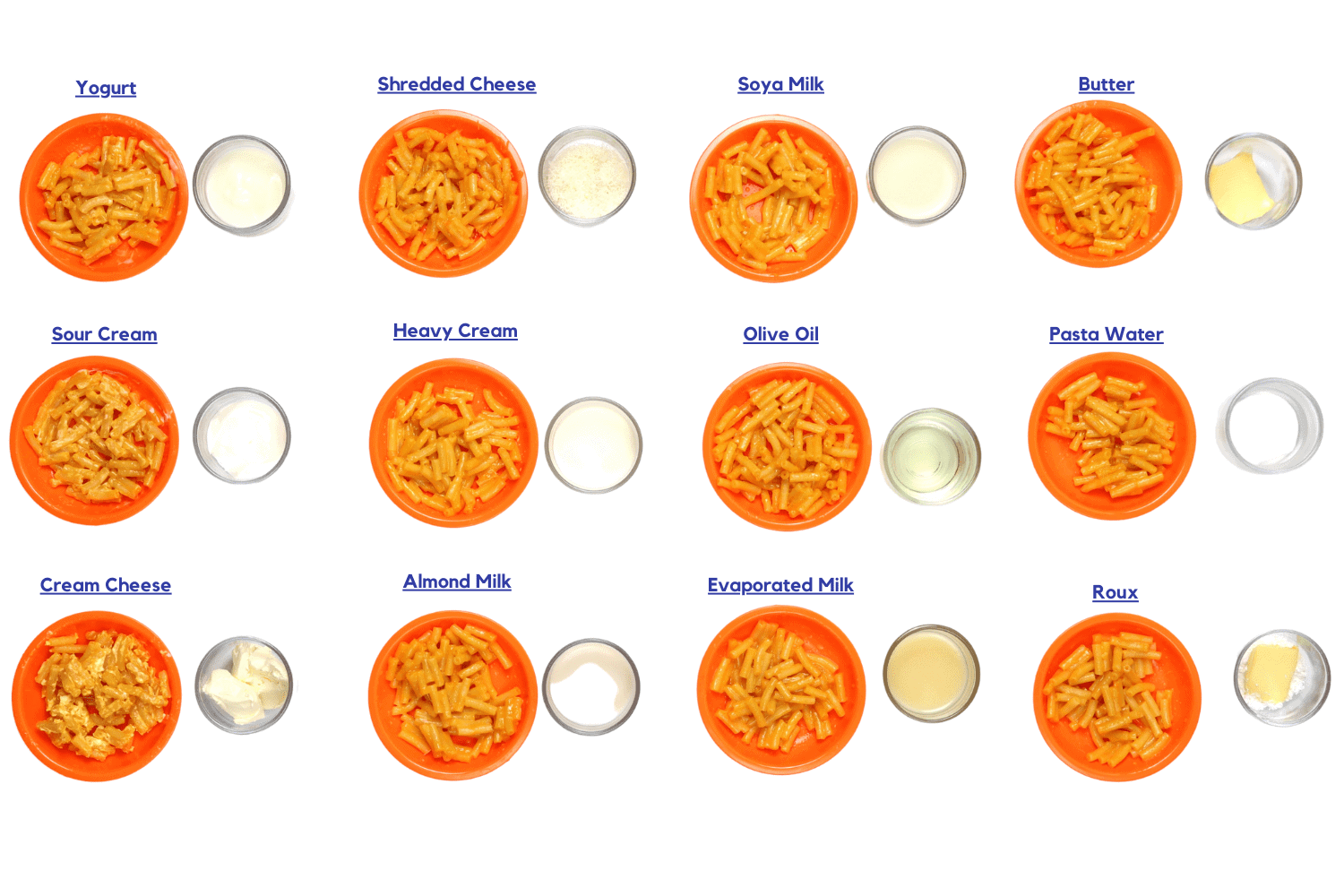
If you've ever been mid-recipe and realized there's no milk left in the fridge, you know the mild panic that sets in. But here's the good news: finding a replacement for milk in mac and cheese is actually a pretty fun and practical experiment. Whether you're lactose intolerant, following a plant-based diet, running low on groceries, or simply curious, there are plenty of ingredients that can step in and keep your creamy, cheesy bowl of comfort intact. This topic is widely appreciated because it opens the door to creative cooking while saving you an emergency trip to the store.
The main purpose of swapping milk in mac and cheese is to maintain that rich, velvety texture everyone loves without compromising on flavor. Milk serves as the liquid base that blends with butter and cheese to form a smooth sauce, so any good substitute needs to fulfill the same role. The benefits are broad: dairy-free eaters can enjoy a classic dish without the stomach upset, those with allergies have a safe alternative, and home cooks on a budget can avoid waste by using what they already have on hand. It's a simple swap that makes a real difference for many people's daily meals.
Some of the most common replacements include oat milk, which has become a fan favorite thanks to its naturally creamy body and slightly sweet undertone that pairs beautifully with sharp cheddar. Unsweetened almond milk is another popular option, offering a lighter consistency that works well when you compensate with a little extra butter or a spoonful of cream cheese. For those who prefer something velvety and time-tested, evaporated milk delivers an almost identical result to regular milk, while broth (chicken or vegetable) can lend a savory depth that transforms your mac and cheese into something with a heartier, more complex flavor profile.
Must Read
There are also more adventurous choices worth mentioning. Sour cream diluted with a splash of water creates a tangy, thick base that many people swear by. Coconut milk works surprisingly well, especially the full-fat canned variety, and adds a subtle richness—just be aware it may lend a barely perceptible tropical note. Even plain Greek yogurt can be whisked into your roux for extra protein and a pleasant tang. These variations are common enough that you've likely encountered at least one on a food blog, a recipe swap, or in a friend's kitchen.
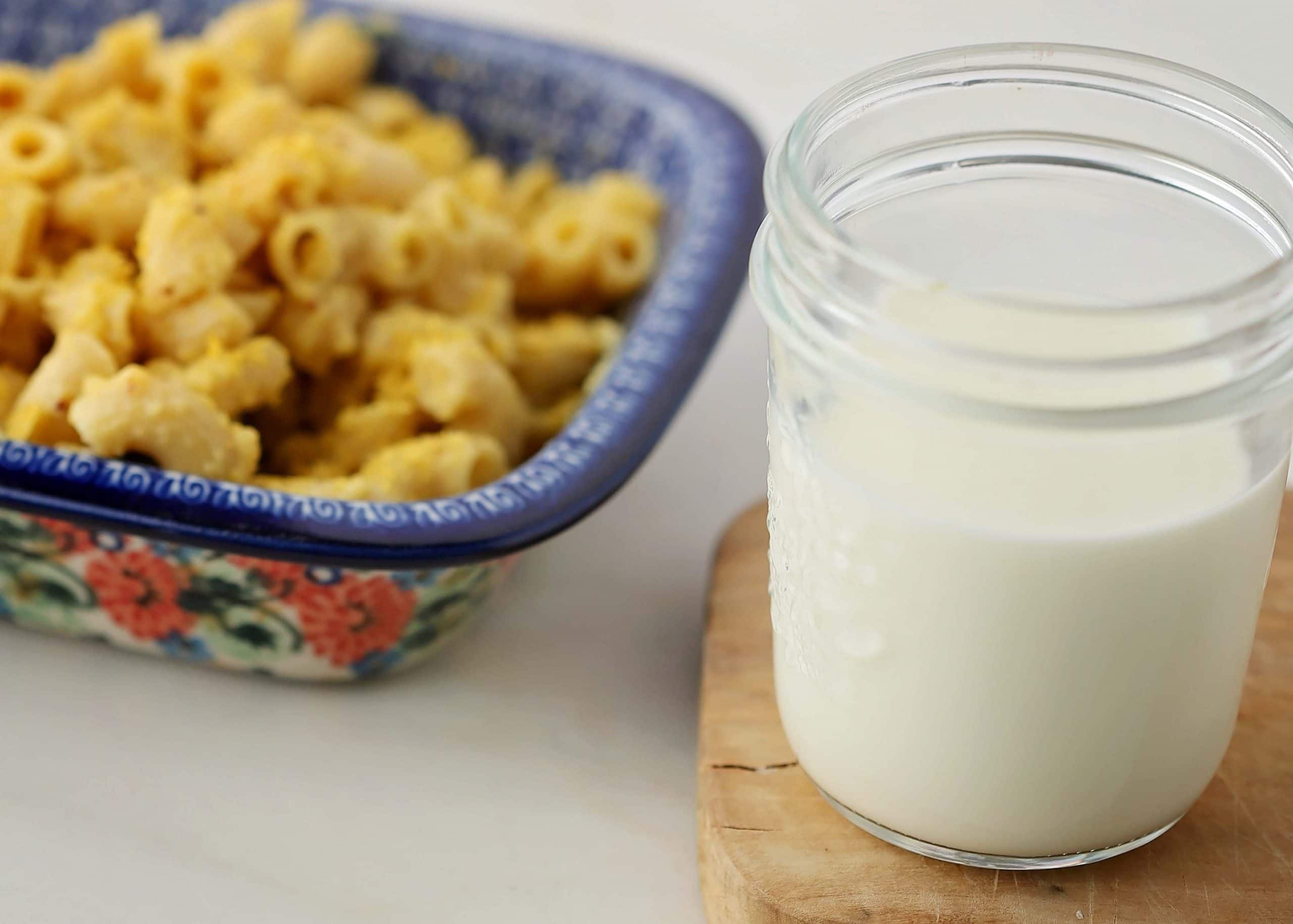 Substitute for Milk in Mac and Cheese: 12 Options To Try. - Flavorful Home
Getting started is straightforward. Begin by choosing a substitute that suits your dietary needs and the flavor profile you're craving. Use a 1:1 ratio as a baseline—replace every cup of milk with one cup of your chosen alternative. Adjust heat carefully, since some substitutes (like oat or almond milk) can separate if boiled too aggressively. When using non-dairy options, a small pinch of nutritional yeast or an extra handful of cheese can boost the umami and mask any nutty undertones you'd rather keep subtle.
Finally, a few practical tips to make the most of your swap: always choose unsweetened versions of plant milks, taste as you go, and don't be afraid to blend two substitutes together for the best balance of creaminess and flavor. Keep an open mind, because one person's odd experiment might become your new go-to. A little experimentation in the kitchen often leads to the most unexpectedly delicious results, and your next bowl of mac and cheese might just be the best one yet.