Replace White Sugar With Brown Sugar

So, you’re standing in the baking aisle, staring at the sugar. White granules in a bag, brown sugar in another. You’ve heard the whispers: “Swap it out, it’s better.” But is i...
:max_bytes(150000):strip_icc()/maple-syrup-GettyImages-1125971345-8501302197f74ee5a204087002c03b33.jpg)
So, you’re standing in the baking aisle, staring at the sugar. White granules in a bag, brown sugar in another. You’ve heard the whispers: “Swap it out, it’s better.” But is it really just a color change, or is there something more to this sweet switch? Let’s dig in, because honestly, the difference between white and brown sugar is way more interesting than you might think.
First, let’s get one thing straight: brown sugar isn’t some mystical, unrefined tree sap. It’s basically white sugar with molasses added back in. Yep, that’s it! The molasses is what gives it that warm, toffee-like color and a slightly stickier, more complex flavor. So when you swap, you’re not reinventing the wheel—you’re just giving your sugar a little hug with a richer personality.
Why would you even bother?
Great question. Why mess with a classic like white sugar? Well, think about this: have you ever had a cookie that was just… flat? Lifeless? That’s where brown sugar shines like a rock star. It’s slightly more acidic than white sugar, which reacts with baking soda to create a softer, chewier texture. You know that perfect, gooey chocolate chip cookie? Brown sugar is the MVP behind that magic.
Must Read
White sugar, on the other hand, is like a crisp, clean shirt. It gives you a sharp, sweet hit and a crunchy texture in cookies. Brown sugar is more like a cozy flannel—it adds moisture, depth, and a subtle caramel undertone. It’s not about being “better,” but about choosing the vibe you want.
Is it healthier? Let’s not kid ourselves.
Okay, let’s be real for a second. You might have heard that brown sugar is healthier because it’s less processed. That’s a tiny bit true, but don’t start celebrating. Brown sugar does have a smidge more minerals—like calcium, potassium, and iron—because of the molasses. But we’re talking about maybe 1% of your daily needs per teaspoon. You’d have to eat a whole bag to even notice, and then you’d have other problems.
So no, swapping white for brown isn’t a health hack. But it is a flavor and texture hack. And sometimes, that’s way more fun, right? You’re not counting milligrams of calcium in your morning coffee; you’re wondering why it suddenly tastes like a cozy fall day.
The coffee test—try this at home
Here’s a little experiment. Make two cups of coffee or tea tomorrow morning. Sweeten one with white sugar, and the other with brown sugar. Taste them side by side. Notice how the brown sugar version has a rounder, almost woody sweetness? It’s like the difference between a straight note and a chord. The white sugar is pure, clear—like a bell. The brown sugar adds a little richness, a hint of rum or maple. It doesn’t scream; it whispers.
Now, try that in your oatmeal or on some roasted sweet potatoes. Suddenly, you’re not just adding sweetness—you’re adding character. That’s the cool part about this swap. It’s not just about substituting; it’s about elevating.
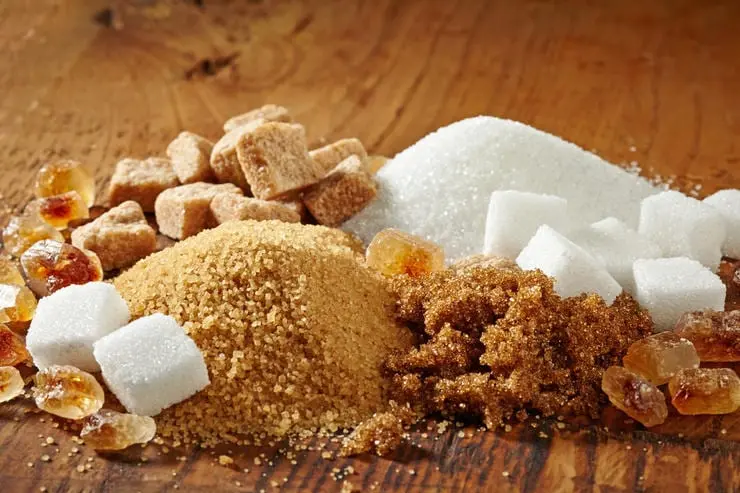 What if completely replace white sugar with brown?
Baking secrets: the science is sneaky
Ever notice how brown sugar gets all clumpy and hard in the bag? That’s because it absorbs moisture from the air. White sugar? It stays separate, like a bunch of tiny, dry pebbles. This moisture content is a big deal in baking. When you use brown sugar, your baked goods stay moist for longer. It’s like giving your cake a little humidifier built right in.
And here’s a weird one: brown sugar can actually change the color of your finished bake. Ever wonder why some cookies look golden and rustic, while others are pale and almost ghostly? Yep, molasses in the brown sugar promotes browning through the Maillard reaction—the same chemical magic that makes toast taste amazing. So your cookies get a deeper, more appetizing tan.
When should you NOT swap?
Don’t worry, I’m not gonna tell you to replace all the white sugar in your pantry. Some recipes really want that clean, neutral sweetness. Think delicate things: meringues, angel food cake, or a simple lemonade. White sugar dissolves cleaner and doesn’t add that caramel note. If you use brown sugar in a meringue, it’ll look like a muddy beach and taste a bit off. Not every dish needs a hug; some need a crisp handshake.
But for almost everything else—cookies, cakes, glazes, rubs for meat, barbecue sauces—go ahead and swap. You might be shocked at the difference. A brown sugar rub on pork shoulder? That’s not just sweet; it’s a crust of pure umami and caramel goodness.
The bottom line (it’s chill)
Look, this isn’t a revolution. You’re not saving the world by tossing white sugar for brown. But you are inviting a bit of personality into your kitchen. It’s like choosing between a clear glass and a stained-glass window—both let light through, but one tells a story. So next time you’re reaching for that bag, ask yourself: do I want sweet, or do I want deep? The answer might just be a spoonful of brown sugar away.
Have fun experimenting. Taste everything. And if a recipe flops? That’s just a lesson in sweetness. You’ve got this.
:max_bytes(150000):strip_icc()/maple-syrup-GettyImages-1125971345-8501302197f74ee5a204087002c03b33.jpg&description=Replace+White+Sugar+With+Brown+Sugar)