Reheating A Steak In The Oven

There’s something quietly satisfying about mastering the art of reheating a steak. It’s one of those small kitchen victories that turns a simple leftover into a meal you actua...
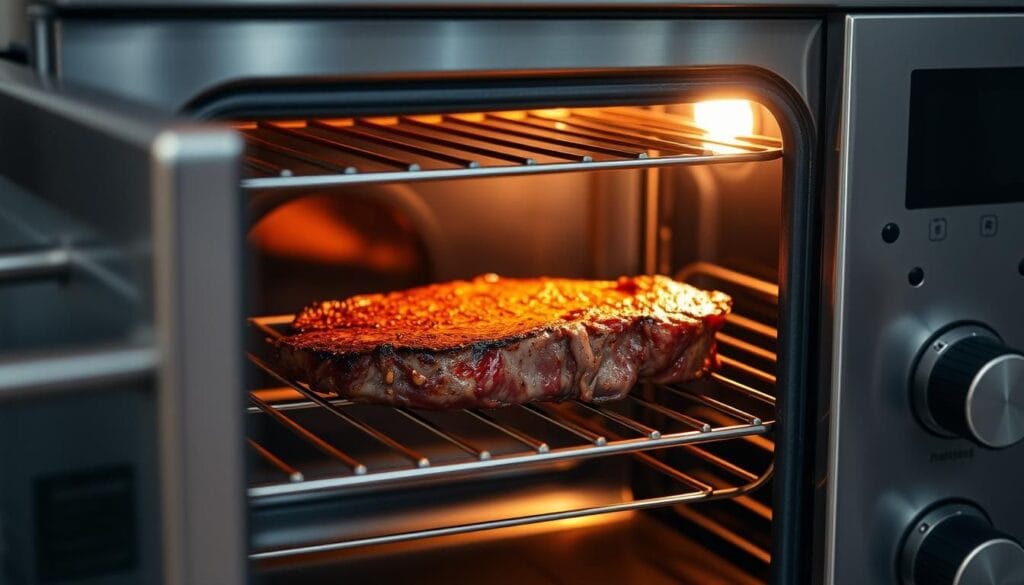
There’s something quietly satisfying about mastering the art of reheating a steak. It’s one of those small kitchen victories that turns a simple leftover into a meal you actually look forward to eating. Far too often, people resign themselves to a dry, rubbery slab of meat, but it doesn’t have to be that way. Reheating a steak in the oven is a practical and widely appreciated technique because it respects the original cook’s effort—preserving that hard-won crust and tender interior. Whether you’re a busy parent saving a ribeye from last night’s dinner, a meal-prepper enjoying a post-gym protein boost, or just someone who hates food waste, this method is your ticket to a second act that rivals the first. Variations exist, of course: some swear by finishing in a hot pan, while others add a butter basting step, but the oven remains the reliable backbone of the process.
The main purpose of this oven method is simple: gentle, even heat. Unlike a microwave, which assaults the steak with aggressive radiation and ruins its texture, the oven warms the meat slowly from all sides. This allows the internal temperature to rise without overcooking the outer edge first. For a steak that was originally medium-rare, the goal is to bring it back to that same juicy state—not to cook it further. The benefit is huge: you get a steak that tastes freshly seared, with a warm, rosy center that doesn’t weep all its juices onto the plate. It’s a game-changer for anyone who values quality over convenience when it comes to leftovers.
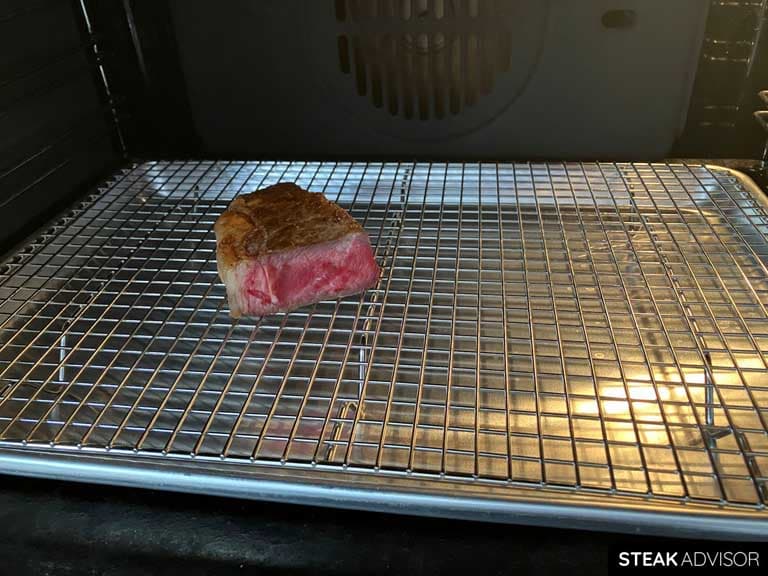
Before you even preheat, there’s a crucial first step: let the steak rest at room temperature. Take it out of the fridge about 20 to 30 minutes ahead of time. This isn’t just a fancy chef trick; it prevents the cold center from remaining cold while the outside already turns to leather. While you wait, preheat your oven to a modest 250°F (120°C). Yes, low and slow is the secret. A higher temperature might seem faster, but it will rob you of that tender bite. Place the steak on a wire rack set over a baking sheet—this allows hot air to circulate underneath, drying the surface slightly, which helps the final sear. If you don’t have a rack, just use a baking sheet, but flip the steak halfway through.
Must Read
Timing is more art than science, but a good rule of thumb is 15 to 20 minutes for a 1-inch thick steak. You’re not cooking it; you’re warming it. The internal temperature should only need to reach about 100°F to 110°F (just shy of rare). Use a reliable instant-read thermometer if you have one—it’s the only way to be sure. For thicker cuts, add a few minutes; for thinner ones, check earlier. The oven does the heavy lifting, but your senses matter: the meat should feel warm to the touch, not hot. This stage is where patience pays off.
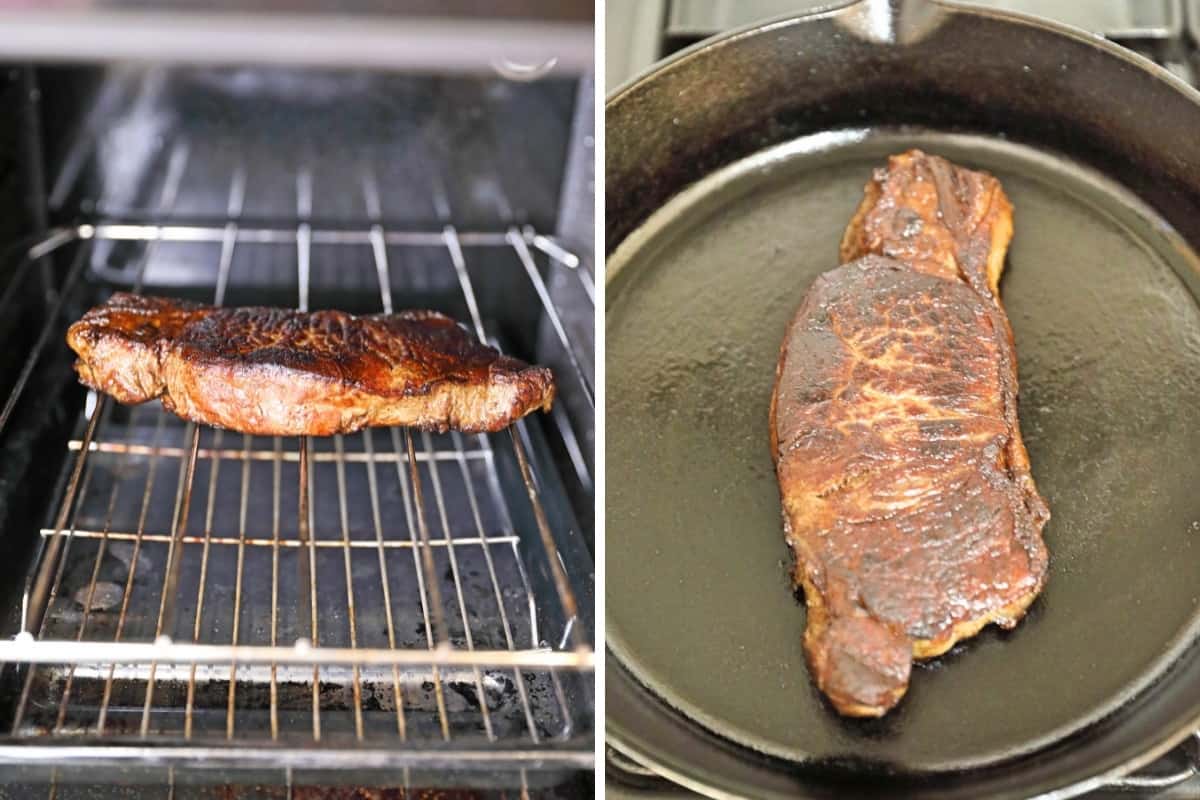
Now comes the finishing move. Once the steak is warm, take it out of the oven and heat a heavy skillet—cast iron is perfect—over high heat with a drizzle of oil. Sear the steak for about 30 to 60 seconds per side, watching for a deep, brown crust. This is where you regain that initial char and flavor that leftover steak often loses. For extra decadence, toss in a knob of butter, a smashed garlic clove, and some thyme during the last 30 seconds, basting the steak as it sizzles. The contrast between the warm interior and the freshly seared exterior is what makes this method so satisfying.
 Mastering the Art of Reheating Steak: Tips to Keep It Juicy and
A common variation for thicker steaks (like a 1.5-inch ribeye) is to simply skip the pan-sear and rely entirely on the oven. After the initial low-heat warm-up, crack the oven up to 500°F (260°C) for two to three minutes. This gives you a crispy crust without using a separate pan. Another approach is to wrap the steak loosely in foil during the oven stage to lock in moisture, though you sacrifice a bit of surface drying. Try both and see what fits your kitchen style. The core idea remains: gentle heat first, aggressive heat second.
The beauty of this technique is that it turns a likely disappointment into a small ritual of kitchen mastery. You don’t need fancy equipment—just an oven, a pan, and a little patience. Next time you have leftover steak, resist the microwave. Give it the oven treatment, and you’ll enjoy a meal that feels intentional, delicious, and surprisingly close to the original. Your taste buds—and your wallet—will thank you.