Red Quinoa Vs White Quinoa Benefits

Welcome to the colorful world of quinoa, where your dinner plate becomes a tiny, delicious battleground! If you’ve ever stood in the supermarket aisle, staring at bags of red...
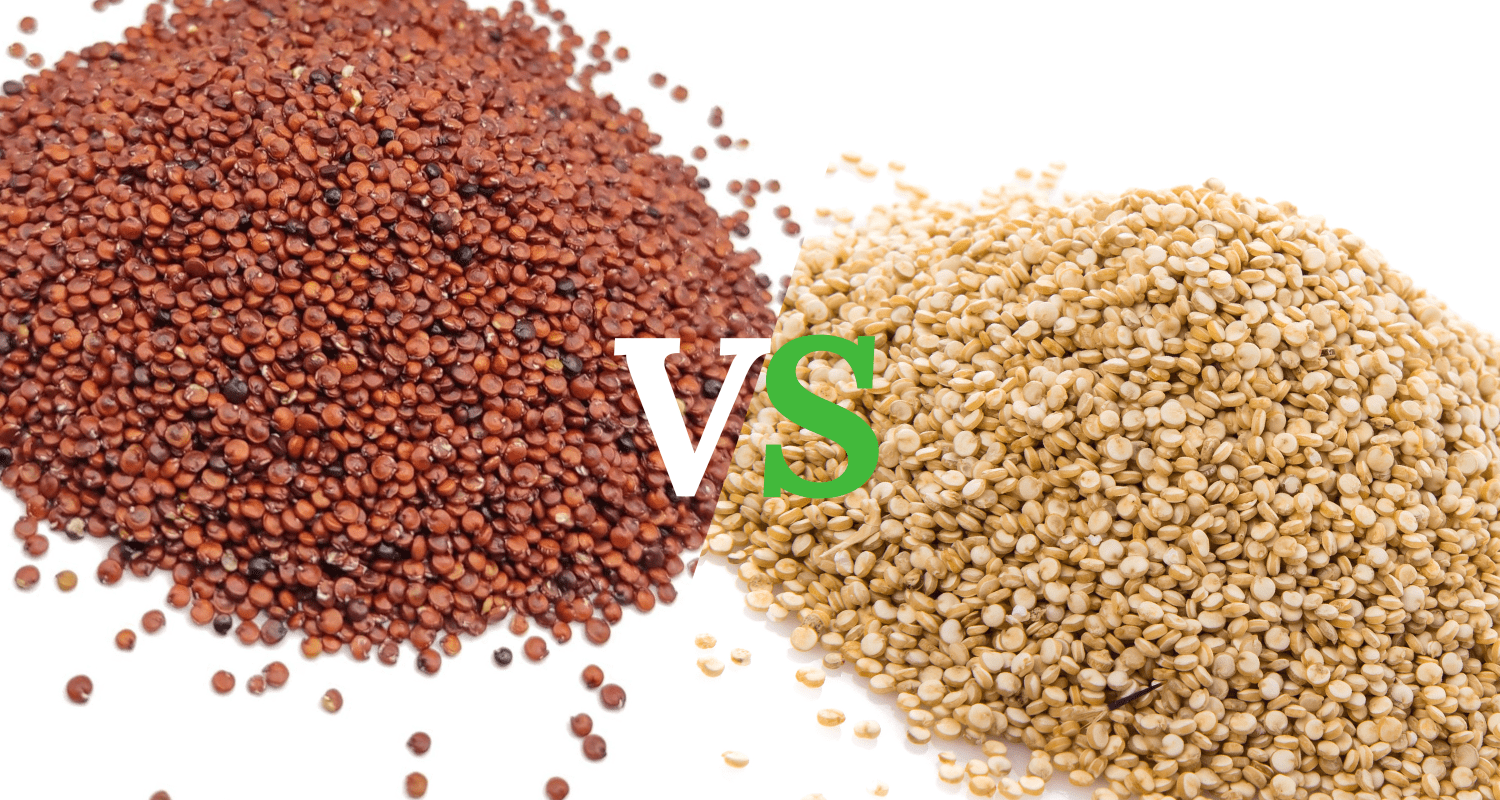
Welcome to the colorful world of quinoa, where your dinner plate becomes a tiny, delicious battleground! If you’ve ever stood in the supermarket aisle, staring at bags of red and white quinoa, wondering if there’s a secret difference, you’re in for a treat. This isn’t just about picking a grain; it’s about unlocking a secret weapon for your health and your taste buds. Whether you’re a meal-prep warrior, a curious foodie, or someone just trying to eat a bit better, understanding the red vs. white quinoa showdown is a fun and surprisingly powerful way to upgrade your cooking. The purpose here is simple: to help you choose the right quinoa for the right moment, making your meals more exciting, nutritious, and far from boring. Let’s dive into this tiny seed’s big personality!
First, let’s talk about the white quinoa, the friendly, familiar face in the grain family. Think of it as the chameleon of the quinoa world. Its flavor is incredibly mild, almost nutty but in a soft, unobtrusive way. When you cook it, the grains become fluffy and tender, making it a perfect substitute for rice or couscous. This is the quinoa you want for a comforting breakfast porridge, a simple side dish for grilled chicken, or a base for a creamy soup. Because it’s so neutral, it absorbs flavors like a sponge—so a splash of lemon juice or a handful of herbs will shine through brilliantly. The key benefit here is versatility; white quinoa is your reliable, all-purpose kitchen helper that pleases even the pickiest eaters.
Now, enter the red quinoa, the bold, adventurous cousin who never goes unnoticed. If white quinoa is a ballerina, red quinoa is a rock climber. Its flavor is more robust, with a distinct earthy and slightly nutty kick. But the real star is its texture. Red quinoa stays much firmer after cooking, holding its shape perfectly. This makes it ideal for recipes where you want a crunchy, satisfying bite. Picture it in a cold salad with roasted vegetables, or sprinkled over a bowl of greens for added crunch. It is also the undisputed champion for meal prepping—it won’t turn into a soggy mess after three days in the fridge. The trade-off? Its stronger flavor can dominate delicate dishes, but for hearty, bold flavors, it’s a game-changer.
Must Read
Here’s where it gets even more fun: the nutritional face-off. Both types are packed with protein, fiber, and all nine essential amino acids (making them a complete protein—a rare find in the plant world). However, red quinoa has a slight edge in antioxidants. Its deep red color comes from a group of plant compounds called betalains, which are powerful anti-inflammatory agents. Think of red quinoa as a tiny shield for your cells. White quinoa, on the other hand, often contains a tiny bit more iron. So, if you’re an athlete looking to reduce muscle soreness, or someone who wants to fight oxidative stress, red quinoa is a fantastic choice. For general health and blood-building, white quinoa is a solid champion. The real winner? Your body, no matter which you pick!
Let’s get creative with some practical, party-ready ideas. For a Summer Fiesta Salad, use red quinoa. Cook it, let it cool, then toss with black beans, corn, diced mango, cilantro, and a lime-chili dressing. The red quinoa stays separate and crunchy, making every bite pop. For a Cozy Autumn Breakfast Bowl, use white quinoa. Cook it in almond milk with a pinch of cinnamon, then top with roasted apples, walnuts, and a drizzle of maple syrup. The fluffy, mild quinoa soaks up the sweet milk, creating a warm, creamy hug in a bowl. For a Superfood Power Bowl, mix the two! Cook them together (in the same pot, just rinse them first) and use them as a base for roasted sweet potatoes, kale, avocado, and a tahini dressing. The contrast in textures—fluffy white and crunchy red—creates a spectacular mouthfeel that will have you eating the entire bowl before you realize it’s healthy.
 Red Quinoa vs White Quinoa - A Detailed Comparison - Kelly Toups
Before you rush off to cook, here are some tips for quinoa perfection. First, always rinse your quinoa in a fine-mesh strainer under cold water for at least 30 seconds. This removes saponin, a natural bitter coating. Second, use a 2:1 ratio of liquid to quinoa (water or broth). Bring it to a boil, then simmer covered for 15 minutes. Finally, here’s the secret: once it’s cooked, turn off the heat, keep the lid on, and let it sit for 5 full minutes. Then, fluff it with a fork. This resting time makes the grains separate perfectly. For red quinoa, which takes a minute longer, let it rest for 10 minutes. And if you want extra flavor, toast the dry quinoa in a pan with a little olive oil for 2 minutes before adding liquid—magic happens.
So, which one should you buy? The answer is both! Keep a bag of white quinoa for quick weekday dinners and creamy dishes, and a bag of red quinoa for weekend salads, grain bowls, and recipes where texture matters. Start with a simple test: make a side dish of each, side by side, and notice the difference. You’ll soon see that red quinoa is not better—it’s different. And that difference is your new secret ingredient for turning an ordinary meal into an extraordinary one. Go ahead, grab a bag, get cooking, and enjoy the delicious, colorful adventure. Your taste buds—and your body—will thank you.

