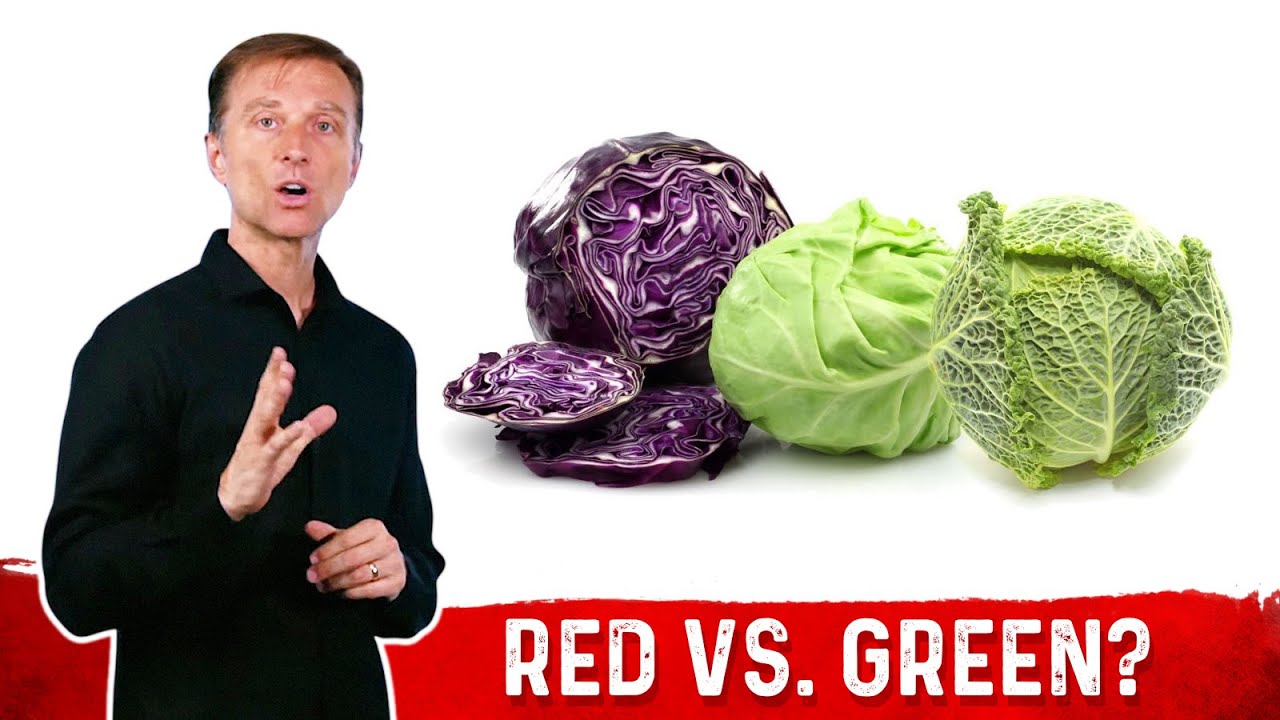
Red Cabbage Vs Green Cabbage Nutrition

When it comes to everyday vegetables, few choices are as familiar as red cabbage and green cabbage. Both are staples in kitchens around the world, and both bring impressive nu...
When it comes to everyday vegetables, few choices are as familiar as red cabbage and green cabbage. Both are staples in kitchens around the world, and both bring impressive nutritional value to the table. But which one truly stands out? Understanding the differences between these two varieties can help families make smarter food choices, save money, and get the most out of every meal they prepare.
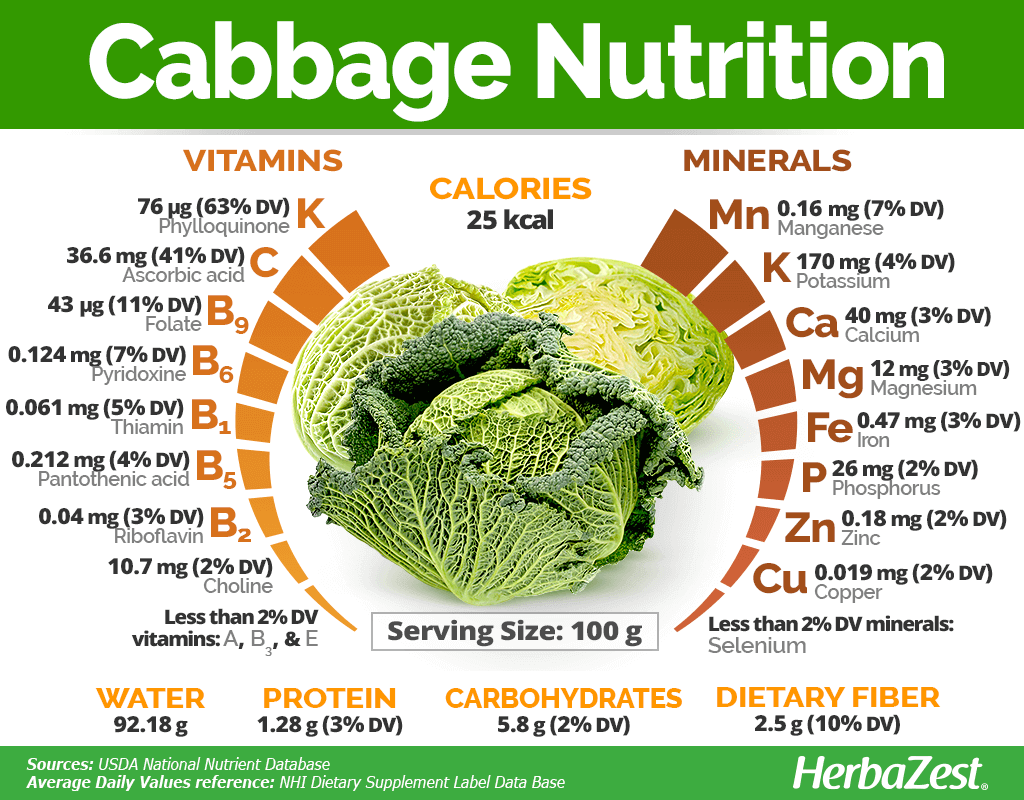
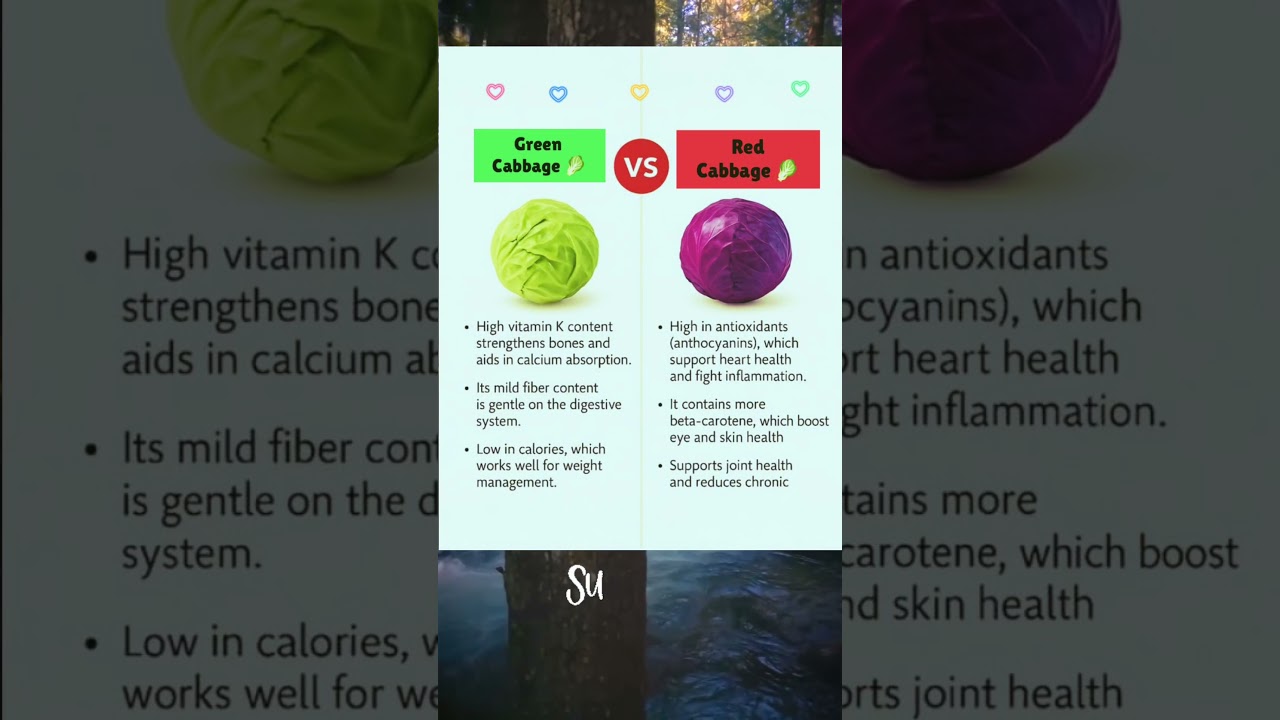
Both red and green cabbage are excellent sources of vitamins C and K, dietary fiber, and essential minerals like potassium and manganese. They are remarkably similar in calorie content — both clocking in at roughly 25 calories per 100 grams — making them nearly equal in terms of basic energy. Green cabbage tends to have slightly more folate, while red cabbage pulls ahead in certain antioxidant categories. For health-conscious individuals and busy families alike, that's a meaningful difference worth noting.
One area where red cabbage clearly shines is its antioxidant content. Thanks to its deep purple-red hue, red cabbage is loaded with anthocyanins — powerful plant pigments linked to reduced inflammation, improved heart health, and stronger immune function. Regular consumption has been shown to help protect cells from oxidative damage. Green cabbage, on the other hand, contains sulforaphane and indole-3-carbinol, compounds that research suggests may play a role in reducing cancer risk. Both varieties offer unique protective benefits, so eating either regularly is a win for long-term health.
Must Read
In real life, many families use these cabbages differently. For instance, coleslaw often calls for green cabbage because of its crisp, mild flavor that blends conveniently with creamy dressings. Red cabbage frequently shows up in quick-pickled slaws, where its bold color and slightly peppery taste make every sandwich more exciting. In many European households, red cabbage is slow-simmered with apples and vinegar as a classic winter side dish, while in East Asian stir-fries, both varieties are tossed with garlic and soy sauce for a fast, nutritious meal. Asking friends and family how they use cabbage can reveal surprisingly creative ideas.
Practical tips for getting the most nutrition from either variety are straightforward. Buy fresh and seasonal cabbages when possible — they retain more nutrients than pre-shredded options sitting in plastic containers. Store them whole in the refrigerator's crisper drawer rather than cutting them in advance, since slicing triggers nutrient loss through oxidation. Try adding raw red cabbage to salads for its anthocyanins, or lightly steaming green cabbage to preserve sulforaphane. To make things easier for busy parents, preparing a large batch at the start of the week — roasted with olive oil and turmeric — provides a versatile base that pairs with almost any protein.
![Red Cabbage Vs Green Cabbage [Nutritional Differences Explained]](https://gardeningelsa.com/wp-content/uploads/2024/12/Red-Cabbage-vs-Green-Cabbage-1024x590.jpg) Red Cabbage Vs Green Cabbage [Nutritional Differences Explained]
Red Cabbage Vs Green Cabbage [Nutritional Differences Explained]
For communities, promoting cabbage consumption matters too. Both varieties are affordable, widely available, and shelf-stable for several weeks when stored properly. Nutritionists frequently recommend cabbage redistribution programs in underserved areas because, pound for pound, few vegetables deliver this much nutritional density at such a low price. Simple bake sales, school cafeteria additions, and neighborhood cooking classes centered around cabbage can introduce new tastes while improving overall dietary quality for entire neighborhoods.
Ultimately, choosing between red and green cabbage isn't about picking a winner — it's about appreciating what both bring to our plates. Red cabbage offers extraordinary antioxidants, while green cabbage delivers powerful cancer-fighting compounds. Together, they represent one of the most budget-friendly, nutritious, and versatile pairs in the vegetable world. By keeping both on hand and experimenting with simple recipes, every household can enjoy better health, richer flavors, and fewer groceries to worry about. Next time you're at the market, grab one of each — your body and your taste buds will thank you.