Recipe Copyright Laws

Cooking Up Confusion: A Dash of Law in Your Recipe Box Ever found a recipe online that looked so delicious, you just had to try it? Maybe it was Grandma's famous apple pie, o...
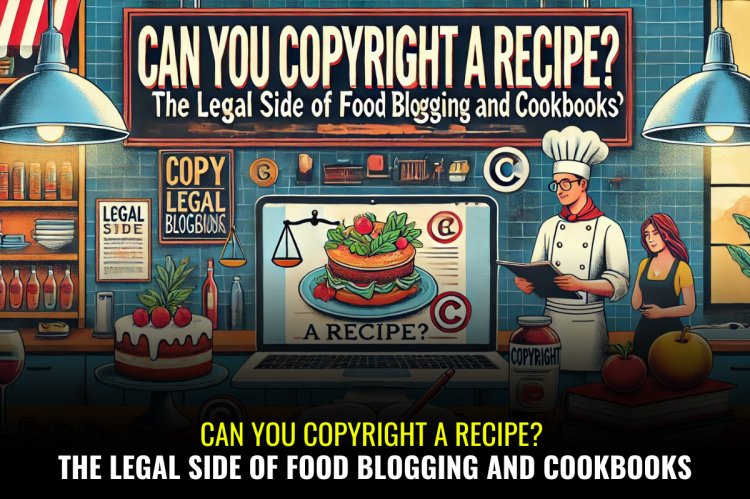
Cooking Up Confusion: A Dash of Law in Your Recipe Box
Ever found a recipe online that looked so delicious, you just had to try it? Maybe it was Grandma's famous apple pie, or that viral TikTok pasta dish. You whipped it up, it turned out amazing, and now you're thinking, "Should I share this on my blog/insta/story?" Hold your horses, chef! Let's talk about recipe copyright laws first. It's not as complicated as it sounds, promise.
Grandma's Secret Ingredient: Copyright
Imagine Grandma's apple pie recipe is like a secret family song. You can hum it, you can even teach it to others, but you can't claim it as your own original tune, right? That's basically what copyright law says about recipes. The idea of an apple pie is not copyrightable, but the specific way Grandma wrote down her recipe is.
So, if you copy Grandma's recipe word for word, including her funny little notes and measurements, you're stepping into copyright territory. But if you change it up a bit, make it your own, and credit Grandma for the inspo, you're good to go!
Must Read
When in Doubt, Ask for Permission
Remember when you borrowed your neighbor's hedge trimmer without asking, and they found out and gave you the stink eye? Yeah, let's not do that with recipes. If you want to share someone else's recipe exactly as they wrote it, ask for their permission first. A quick email or comment asking if they mind you sharing their recipe can save you from copyright trouble.
And hey, who knows? They might even say yes, and you'll both get to share the love (and the recipe)!
Copyright's Not-So-Secret Ingredient: Fair Use
Now, what if you really want to share that viral pasta recipe, but it's worded just the way the creator wrote it? Enter fair use, the secret ingredient that makes copyright law a little more flexible. Fair use says you can use someone else's copyrighted work without permission in certain situations, like for criticism, comment, news reporting, teaching, or research.
So, if you're sharing a recipe to compare it to your own, or teach your followers about a new cooking technique, or comment on how you'd change the recipe, fair use might be your get-out-of-jail-free card. But remember, fair use is a bit of a gray area, so it's always best to err on the side of caution.
 Can You Copyright A Recipe - Drishti Law
Recipe for Disaster: Plagiarism
Now, let's talk about plagiarism, the recipe thief that'll leave your readers feeling cheated. Plagiarism is when you pass off someone else's work as your own, without giving them credit. It's like serving someone else's dish at your restaurant and claiming it's your signature recipe. Not cool, right?
To avoid plagiarism, always give credit where it's due. Link back to the original recipe, mention the creator's name, or at least say where you found the recipe. Your readers will appreciate the honesty, and you'll avoid any plagiarism pitfalls.
Baking Up a Storm: Your Own Recipes
Finally, the best way to avoid copyright and plagiarism drama? Create your own recipes! Experiment in the kitchen, write down your process, and share your unique creations with the world. Your recipes, your rules. Just remember to be kind to other cooks and give credit when it's due.
And there you have it, folks! Copyright law isn't as scary as it sounds. It's just a way to protect people's hard work, like Grandma's apple pie recipe. So, go forth, cook, and share, but always remember to be fair, be kind, and be honest. Happy cooking!
