Pure Substance Or Mixture Distilled Water

There is a quiet satisfaction in knowing exactly what is in the bottle you drink. For many health enthusiasts, coffee connoisseurs, and home chemists, that satisfaction comes...
There is a quiet satisfaction in knowing exactly what is in the bottle you drink. For many health enthusiasts, coffee connoisseurs, and home chemists, that satisfaction comes from a clear, unassuming liquid: distilled water. Its purity is not just a scientific fact; it is a promise of consistency and a blank slate for life’s daily rituals. Whether you are brewing a delicate pour-over coffee, filling a steam iron, or preparing a baby’s formula, the absence of minerals and contaminants makes distilled water uniquely valuable. People cherish it not for what it contains, but for what it does not contain—a trait that elevates it from a simple drink to a reliable tool.
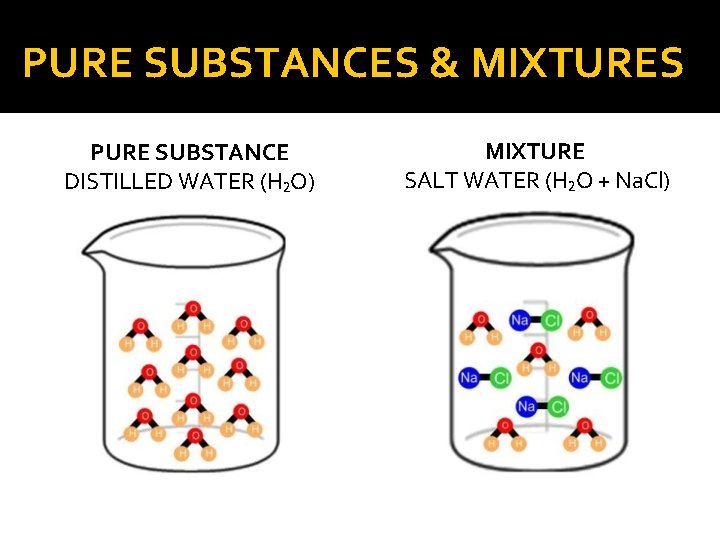
To understand its value, we must first clarify a fundamental scientific distinction. Distilled water is a classic example of a pure substance, specifically a pure compound of hydrogen and oxygen (H₂O). It is not a mixture, because it contains only one type of molecule throughout. Through the process of distillation, water is boiled into steam and then condensed back into liquid, leaving behind dissolved salts, minerals, and impurities. This contrasts sharply with tap water or spring water, which are mixtures containing calcium, magnesium, chlorine, and other substances. The key purpose of distilled water, therefore, is to provide a chemically uniform, highly pure medium for applications where even trace contaminants can cause problems—from laboratory experiments to medical sterilization.
The benefits of this purity extend directly into everyday life. Consider the humble coffee maker: if your tap water is hard with calcium, you will soon face a white, chalky buildup called scale. This scale clogs heating elements, ruins machine performance, and shortens its lifespan. Using distilled water eliminates scale entirely, keeping your machine running perfectly for years. Another scenario is in a home workshop. Mixing battery acid or coolant for a car? Distilled water is essential because its lack of dissolved salts prevents unwanted chemical reactions that can corrode metal. For parents, mixing powdered infant formula with distilled water provides peace of mind, knowing that the baby is not ingesting any added fluoride, nitrates, or heavy metals that may be present in local tap water. In each case, the absence of other substances is the active benefit.
Must Read
However, a common misconception deserves attention: is distilled water safe to drink? Yes, it is perfectly safe for short- and long-term use. Some claim it “leaches” minerals from your body, but this is a myth. Your body absorbs essential minerals primarily from food, not water. The World Health Organization notes that most drinking water contributes negligibly to daily mineral intake. Nevertheless, a balanced diet easily supplies all needed electrolytes. The real caution is simply that distilled water has a flat taste, lacking the mineral flavor that many people enjoy. For this reason, it is often used in combination with other beverages or for specific tasks, not as a primary thirst-quencher—but that is a matter of taste, not safety.
 Pure Substance vs Mixture | Edexcel IGCSE Chemistry (Modular) Revision
For those who want to explore distilled water themselves, a few simple tips can enhance the experience. First, invest in a reliable countertop distiller; it pays for itself over time compared to buying bottled distilled water. Second, never store distilled water in metal containers, as it can absorb metallic ions and lose its purity—always use glass or food-grade plastic. Third, try using it for one task for one month: switch to distilled water in your coffee maker only. You will notice the absence of scale and, if you brew by taste, a cleaner, more pronounced coffee flavor free from mineral interference. Finally, for a fun experiment, carefully evaporate a drop of tap water and a drop of distilled water on a clean glass surface. The tap water will leave a visible mineral ring; the distilled water will vanish completely.
In a world of complex mixtures, there is elegance in simplicity. Distilled water represents a deliberate choice for precision and purity. It is not an elitist luxury but a practical tool that solves everyday problems—from protecting appliances to supporting medical needs. Whether you are a hobbyist brewer, a meticulous parent, or simply someone who values knowing what they consume, distilled water offers a reliable, predictable foundation. The next time you fill a steam iron or mix a batch of homemade kombucha, consider reaching for this pure substance. It may seem plain, but its power lies in its perfect emptiness—a blank canvas for health, performance, and enjoyment.

