Pre Workout Intermittent Fasting

Welcome to the wonderfully weird world of pre-workout intermittent fasting! If you’ve ever wondered whether you can crush a 6 AM spin class on an empty stomach—or if you’ll ju...

Welcome to the wonderfully weird world of pre-workout intermittent fasting! If you’ve ever wondered whether you can crush a 6 AM spin class on an empty stomach—or if you’ll just collapse into a puddle of hangry sweat—you’re in the right place. This isn’t about suffering; it’s about unlocking your body’s hidden potential. Think of it as a training secret that turns your morning fast into a powerful metabolic tool. It’s fun because it feels a little rebellious: you’re defying the old “you need a pre-workout meal” logic and finding out that your body is far more adaptable than you thought. Let’s dive into why this combo is both helpful and surprisingly enjoyable.
So, what exactly is the purpose of training in a fasted state? Simple: you’re teaching your body to burn fat for fuel. When you haven’t eaten for, say, 12 to 16 hours, your insulin levels are low, and your body has already used up its immediate glucose stores. This forces it to tap into stored body fat for energy. The advantages? For starters, many people report improved mental clarity during their workout—no post-breakfast fog. You also may notice better insulin sensitivity over time, which helps with long-term weight management and energy regulation. And let’s be real: skipping the pre-gym meal means one less thing to prepare, giving you back precious minutes of sleep or quiet coffee time.
Let’s get creative with some real-world examples. Imagine you’re a morning runner. Instead of waking up at 5 AM to digest a bagel, you roll out of bed, sip some black coffee (which can actually enhance fat burning), and hit the pavement. The first mile might feel a bit heavy, but by the second, you often hit a surprising second wind—a clear, light-headed focus that feels almost like floating. Or picture a weightlifter doing a fasted session: they might focus on low-rep, high-intensity lifts (like heavy squats or deadlifts) because the body can still use stored glycogen in muscles for short, explosive bursts. A fun idea? Try a “fasted HIIT” class: 20 minutes of burpees, sprints, and jump squats. The intensity triggers a massive human growth hormone (HGH) release, which is amplified when you’re fasted. It’s like giving your body a natural, fat-melting boost without a snack in sight.
Must Read
For a different twist, consider social fasting. You and a friend can agree to do a 14-hour fast together and meet for a midday workout. You’ll feel a weird camaraderie—like you’re both secret agents running on ketones and grit. Or, if you’re a cyclist, pack your electrolytes (salt, potassium, magnesium) in water and go for a two-hour ride without food. Your body will learn to “run on fumes” in the best way—becoming more efficient at using fat stores. Many athletes report that fasted training makes their fed workouts feel easier by comparison. It’s a mental game as much as a physical one: you prove to yourself that hunger is just a passing feeling, not a emergency siren.
Now, let’s land with practical advice for the brave beginner. First, don’t jump into a 16-hour fast right away. Start with a gentle 12-hour overnight fast (which most people do naturally if they finish dinner by 7 PM and workout at 7 AM). Second, listen to your body—if you feel dizzy, nauseated, or extremely weak, eat something small (like half a banana) 30 minutes before your workout. Fasting is a tool, not a punishment. Third, hydrate aggressively: drink water with a pinch of salt before your session to avoid lightheadedness. Fourth, time your post-workout meal wisely. Break your fast with a mix of protein (like a shake or eggs) and carbs (like a sweet potato or oats) within 45 minutes of finishing your exercise. This is when your muscles are screaming for repair, and you’ll maximize recovery.
 5 Benefits of Intermittent Fasting Pre Workout in 2024
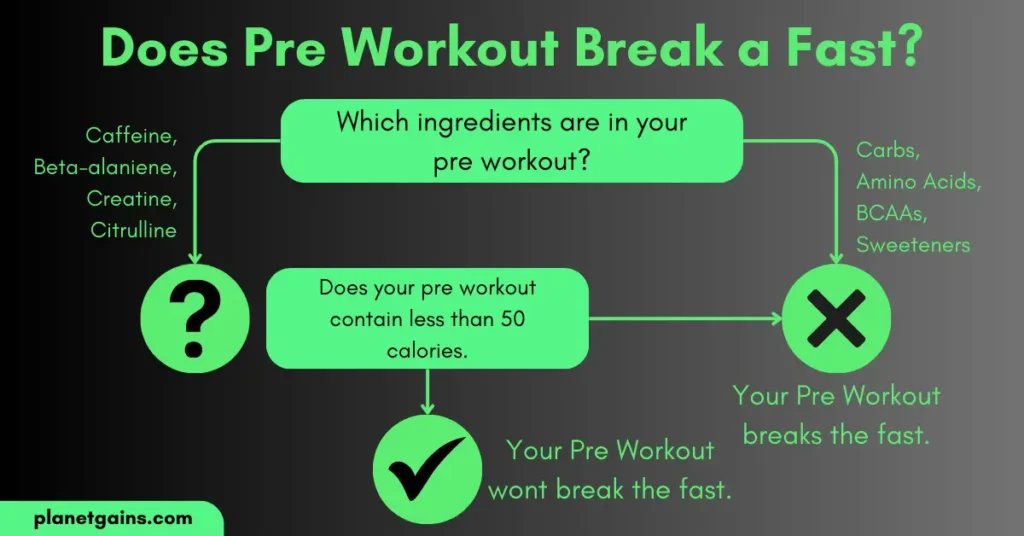
One golden tip: don’t fast before a competition or a PR attempt. Save fasted training for routine, moderate sessions. Your body needs glycogen for personal records. Also, be aware that caffeine sensitivity increases when fasted, so scale back your usual pre-workout scoop if you’re using a stimulant. And here’s a fun hack: try a cold shower before your fasted workout. The cold exposure can boost norepinephrine, which synergizes with fasting to ramp up alertness and fat burning. Trust me, you’ll feel like a superhero stepping out of that shower ready to conquer the world (or at least the squat rack).
Finally, remember that consistency beats intensity. You don’t need to fast every day. Even two or three fasted workouts per week can yield significant changes in body composition and metabolic flexibility. The real joy here is experimenting: you might discover that your best running times happen on an empty stomach, or that your focus in yoga is sharper when you’re not digesting breakfast. Intermittent fasting plus exercise is not a rigid dogma—it’s a playful challenge to your own biology. So grab some black coffee, lace up those shoes, and give it a try. Your body might just thank you with a new level of energy you never knew you had.

