Portion Sizes For 1 Year Olds

Let’s face it: feeding a one-year-old can feel like negotiating a peace treaty with a tiny, tyrannical fruit bat. One minute they’re devouring a sweet potato, the next they’re...
Let’s face it: feeding a one-year-old can feel like negotiating a peace treaty with a tiny, tyrannical fruit bat. One minute they’re devouring a sweet potato, the next they’re using it as a hair mask. But here’s the secret—portion sizes for this age are actually your best friend, not your enemy.
Why Tiny Plates Mean Big Joy
Think of a one-year-old’s stomach as about the size of their own fist. It’s shockingly small, right? That means you don’t need a mountain of food—just a few smart, colorful bites.
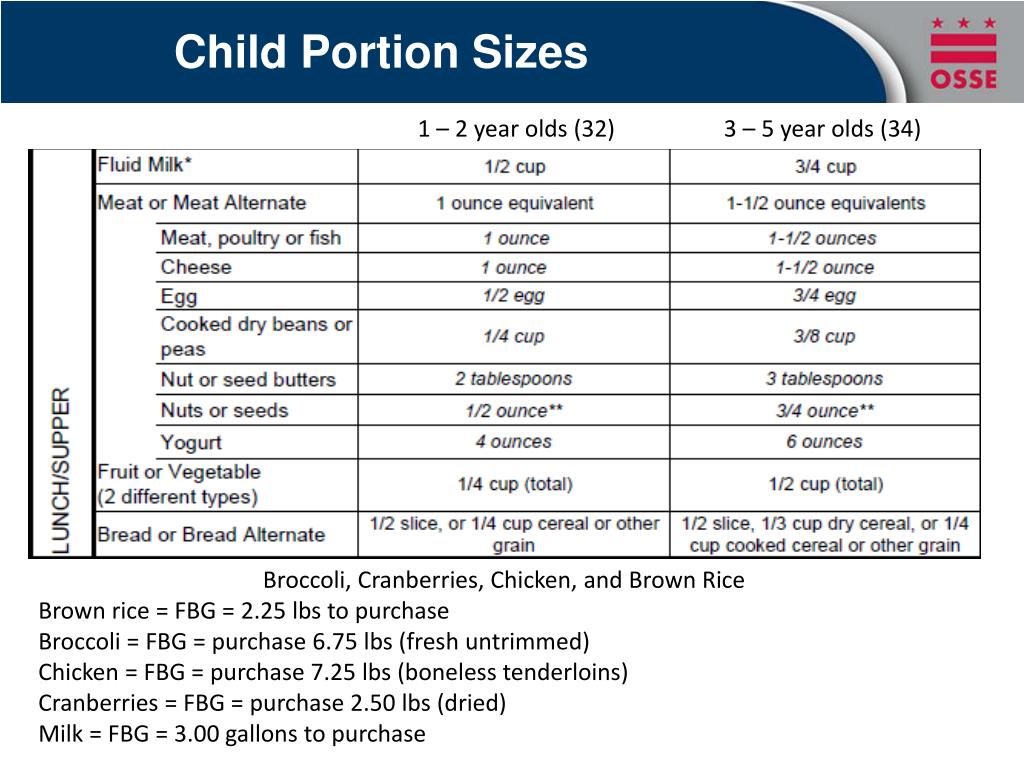
The magic number is roughly 1 to 4 tablespoons per food group per meal. For veggies, think two to three broccoli florets. For protein, a piece of chicken the size of your thumb. See? Tiny, but mighty.
Must Read
When you serve less, you actually invite curiosity. A smaller portion feels like a treasure hunt, not a chore. And trust me, less waste means less pressure for you.
Let the “Fist” Be Your Guide
Imagine your child’s own little fist. That’s about one serving of food per meal. A serving of fruit? One small, peeled apple quarter. A serving of whole grains? Two or three Cheerios-style crackers.
But here’s the fun twist—you can use your fist to estimate too. Your fist holds roughly one cup of food. For a one-year-old, that’s a big lunch, not a dinner. So when you plate up, aim for a portion that’s about one-quarter of your own fist. Crazy, right?
It’s like a game of “miniature chef.” You get to play with tiny dimpled bowls and cute spoons. Who knew parenting could involve such adorable math?
The “No Panic” Rule of Thumb
If your toddler eats only two bites and then starts painting the high chair with yogurt, don’t panic. Their appetite might be off today because they’re teething, tired, or just exploring gravity.
Portion sizes are a guideline, not a prison sentence. The American Academy of Pediatrics suggests three meals and two snacks daily, each about the size I mentioned. But if they skip dinner, that’s okay—their next meal will be there.
You are not a short-order cook. You are a patient food scientist experimenting with textures and tastes. Some days are wins, some days are floor cleaning.
 Portion Size Examples
Play with Colors, Not Amounts
Instead of piling on the volume, focus on color variety. A bright orange carrot stick, a green pea pod, a red strawberry—that’s a rainbow, not a buffet. Studies show that babies are more likely to try a food if it’s presented in a new shape.
Try cutting a soft cheese into a tiny star shape. Or serve three blueberries in a line on their tray. You might feel like a magician.
Portion control here is about quality over quantity. A single small piece of avocado with a dash of cumin can be a culinary adventure. Your goal is to raise a curious eater, not a plate-cleaner.
What About Growth Spurts?
Ah, the growth spurt—the “hollow leg” phase. Suddenly, your one-year-old wants to eat like a teenage linebacker. That’s totally normal. Follow their lead, but keep portions the same size—just offer another round of the same tiny portion.
For example, if they devour the first three pear slices, offer three more. But don’t dump a whole pear on their tray. The brain-science move is to keep serving small batches. It teaches them to stop when they’re full, not when the plate is empty.
Your job is to provide the food, not force the fork. Trust their internal hunger meter. It’s smarter than any chart.
Let’s Talk About the “Clean Plate” Myth
You grew up hearing “finish your dinner or no dessert.” Forget that for a one-year-old. Pressuring them to eat every last Cheerio can lead to power struggles and overeating later.
 Getting Portion Size Right - Toddlebox | Healthy toddler meals, Baby
Instead, celebrate touching the food, smelling it, mashing it between tiny fingers. That’s how they learn. A portion size isn’t about achieving a clean plate—it’s about exposure and exploration.
Imagine if every meal were a science fair project. Sometimes the volcano erupts, and that’s okay. You’re not raising a gourmet; you’re raising a brave little human.
One Last Playful Hack
Use an ice cube tray. Seriously. Drop a single tablespoon of cubed mango in one slot, a few peas in another, a dollop of mashed beans in a third. It’s like a tasting menu for a tiny food critic.
This keeps portions perfect (each slot is about one tablespoon) and makes cleanup a breeze. Plus, kids love the novelty of separate compartments. It’s like they’re eating from a toy box.
You can even let them “pick” their own cubes. Suddenly, you’re not a feeder—you’re a partner in a fun little game.
The Uplifting Truth
Here’s the beautiful secret: you already have everything you need. Your love, a few tiny bowls, and a sense of humor. Portion sizes for one-year-olds aren’t rigid rules—they’re gentle suggestions that free you from worry.
When you stop obsessing over amounts, you start noticing the joy in the mess. The giggle when they discover a blueberry bounces. The proud grin when they finally pick up a slippery pea.
So go ahead, serve that tiny, perfect portion. And then lean back, sip your coffee (while it’s still hot), and smile. You’re not just feeding a body—you’re nurturing a little explorer. And that is one of the most inspiring adventures you’ll ever take.
