Pork Internal Temp

Alright, gather 'round, folks. Today, we're diving into the juicy world of pork internal temperature. Now, I know what you're thinking, "This isn't a topic that's gonna make m...
Alright, gather 'round, folks. Today, we're diving into the juicy world of pork internal temperature. Now, I know what you're thinking, "This isn't a topic that's gonna make my day, pal." But stick around, 'cause we're gonna make it fun, I promise. Think of it like a game of 'Guess the Temp' - but with less guessing and more cooking.
Why's It So Important?
First things first, why should you care about this internal temp business? Well, imagine you're at a BBQ, and your buddy's grilling up a storm. Now, you could be chowing down on a perfectly cooked, juicy pork chop, or you could be biting into something that's either undercooked or so dry it could be used as a sponge. Not cool, right?
That's where the internal temp comes in. It's like the referee in this cooking game, making sure everything's fair and safe. It ensures we're not serving up any unwanted guests like bacteria, and that our pork isn't drier than the Sahara.
Must Read
So, What's the Magic Number?
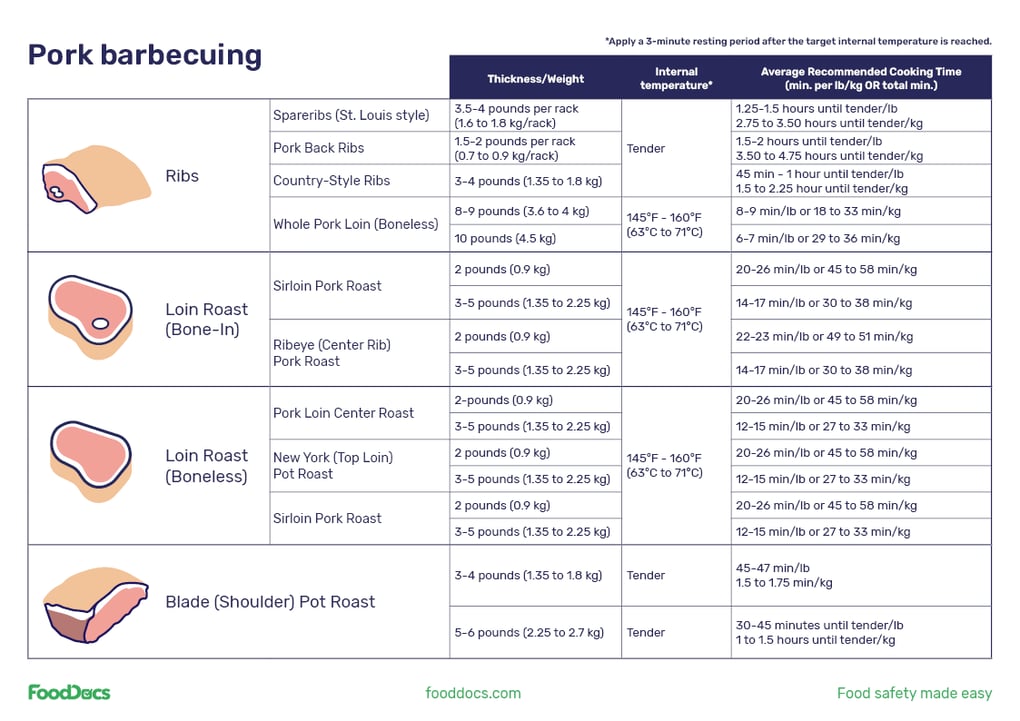
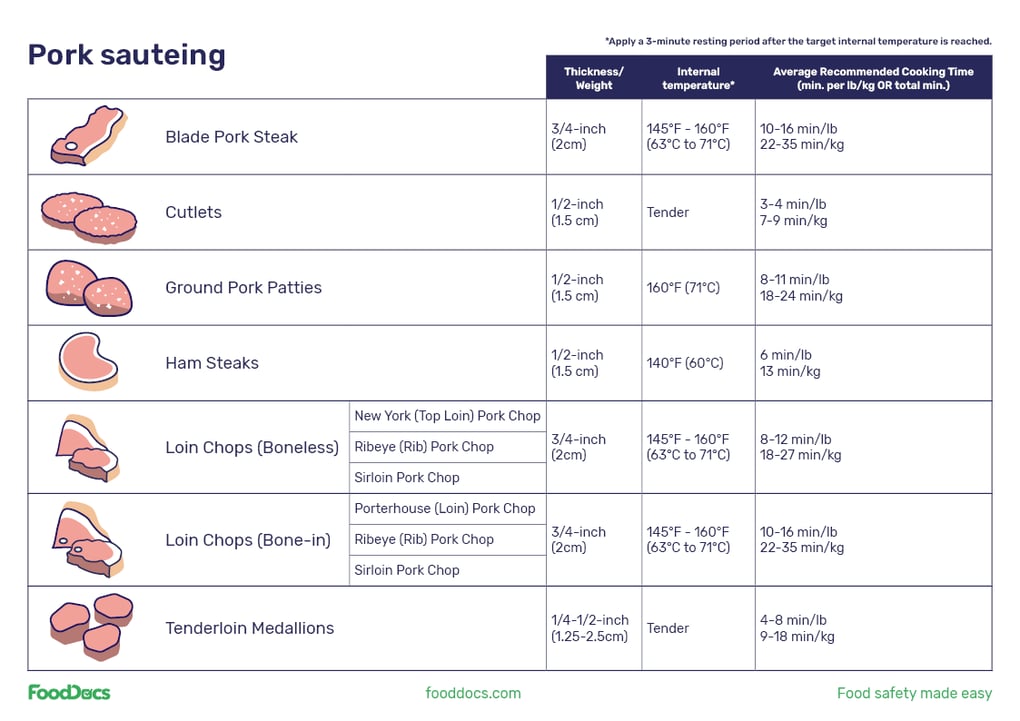
You might be thinking, "Okay, I'm sold. But what's this magic number I'm supposed to be aiming for?" Well, according to the USDA, we're looking for a minimum internal temperature of 145°F for whole cuts (like chops and roasts), and 160°F for ground pork.
Now, I know what you're thinking, "That's not so bad. I can handle that." And you're right, it's not rocket science. But here's where it gets a bit tricky. You can't just poke a thermometer into your pork and hope for the best. There's a bit of finesse involved.
Where to Stick That Thermometer
You've got to find the thickest part of the pork, and that's where you'll want to stick your thermometer. For chops, that's usually the middle. For roasts, it's the thickest part. And remember, don't touch bone or cartilage, 'cause that'll give you a false reading.
But What About Resting?
Alright, so you've got your pork to the right temp, you're feeling pretty smug. But hold your horses, we're not done yet. You've got to let your pork rest for a few minutes before you slice into it. This lets the juices redistribute throughout the meat, making it even more delicious.
 Pork Internal Temp: What's the Internal Temperature for Pork?
Think of it like a kid on the first day of school. You don't want to rush them, you want to give them a moment to compose themselves. Same goes for your pork. Let it have its moment, and I promise, it'll thank you for it.
Tech to the Rescue
Now, if all this sounds like a bit too much effort, don't worry. There are gadgets out there that can help. Meat thermometers with alarms, instant-read thermometers, even smart meat probes that connect to your phone. It's like having a personal sous-chef, making sure you never serve up an undercooked or overcooked disaster again.
But remember, these are just tools. They're not going to do the cooking for you. You've still got to be the one flipping the chops, basting the roast, and making sure everything's looking good in the kitchen.
Final Thoughts
So there you have it, folks. The lowdown on pork internal temperature. It's not as scary as it sounds, is it? Just remember, when in doubt, check the temp. Your taste buds (and your stomach) will thank you.
Now, who's ready to get cooking? I know I am. Just let me grab my apron and my trusty thermometer. Happy cooking, everyone!
