Polyester Fabric Is For Winter Or Summer

Welcome to the surprisingly delightful debate about polyester and the seasons! You might think that fabric—a humble blend of plastic fibers—is a boring subject, but trust me,...

Welcome to the surprisingly delightful debate about polyester and the seasons! You might think that fabric—a humble blend of plastic fibers—is a boring subject, but trust me, it’s a superpower in your closet. Polyester often gets a bad rap as that scratchy, 1970s disco suit material, but today’s versions are smart, versatile, and practical. Whether you’re sweating through a summer festival or shivering on a winter hike, understanding how to use polyester can save you money, keep you comfortable, and even reduce your laundry headaches. This article will show you that polyester isn’t just for one season—it’s a year-round tool you can master with a few simple tricks. Let’s dive into why this fabric deserves a spot in every drawer, no matter the weather.
Polyester’s superpower is its ability to be engineered for specific purposes. Unlike natural fibers like cotton or wool, which have fixed properties, polyester can be woven, textured, or blended to behave totally differently. For summer, manufacturers create lightweight, moisture-wicking polyester that feels cool and dries in minutes. Think of your favorite sportswear or hiking shirt: it pulls sweat away from your skin and lets air flow through, preventing that sticky, clammy feeling. For winter, polyester is used in thick fleece jackets, thermal underwear, and insulated puffer coats. These fabrics trap air pockets that keep your body heat close, while still being breathable enough to prevent overheating. The key takeaway? Polyester is a chameleon—the same base fiber can be turned into a summer breeze or a winter fortress.
Let’s look at creative examples for both seasons. In summer, try a polyester-cotton blend for casual tees or button-downs. The cotton adds softness, while the polyester stops wrinkles and speeds up drying—perfect for a vacation where you pack light. For active days, a 100% polyester performance shirt is a game-changer: wear it for a morning run, a bike ride, or even a day at the beach. It won’t weigh you down if you jump in the water, and it dries so fast you can wash it in a sink at night and wear it the next morning. For winter, fleece-lined polyester hoodies are a cozy, lightweight alternative to heavy wool. If you’re hitting the slopes, a polyester outer layer (like a ski jacket) is windproof and snow-resistant, while a polyester base layer underneath traps warmth without adding bulk. A favorite hack: use a polyester microfiber blanket on the couch—it’s machine-washable, stain-resistant, and surprisingly warm despite being thin.
Must Read
Now, here’s a practical tip: not all polyester is created equal. Check the fabric’s “weight” or “denier” on the tag. Lighter weights (like 80–120 grams per square meter) are best for summer, while heavier weights (200+ grams) are built for winter. For summer, look for terms like “moisture-wicking,” “coolmax,” or “quick-dry.” For winter, search for “fleece,” “polar fleece,” or “insulated.” A common mistake is wearing a thick, tight polyester shirt in July—that’s for winter! Instead, choose loose-weave or mesh polyester for hot days. Another pro move: layer. In cool autumn or early spring, a thin polyester shirt under a light jacket gives you flexibility as temperatures change. And here’s a bonus tip for washing: polyester holds onto odors if you use too much detergent, so wash with a sport-specific detergent or a splash of white vinegar to keep it fresh all year long.
One of the biggest advantages of polyester for both seasons is durability. Unlike cotton, which fades in sunlight, or wool, which can shrink in a hot dryer, polyester resists wrinkles, shrinking, and UV damage. That means your summer shorts and winter fleece can look new for years. For travelers, this is a lifesaver: pack one polyester dress or shirt for a week-long trip, wash it in a hotel sink, and it’s ready to wear by morning. For outdoor enthusiasts, polyester’s rapid drying makes it ideal for camping or hiking, where you can’t always access a dryer. And for parents? Polyester children’s clothes survive mud, sand, and endless spin cycles—so you can spend less on replacements and more on fun. The only downside? Static cling and low breathability in cheap versions, but high-quality polyester blends fix that with added spandex or natural fibers.
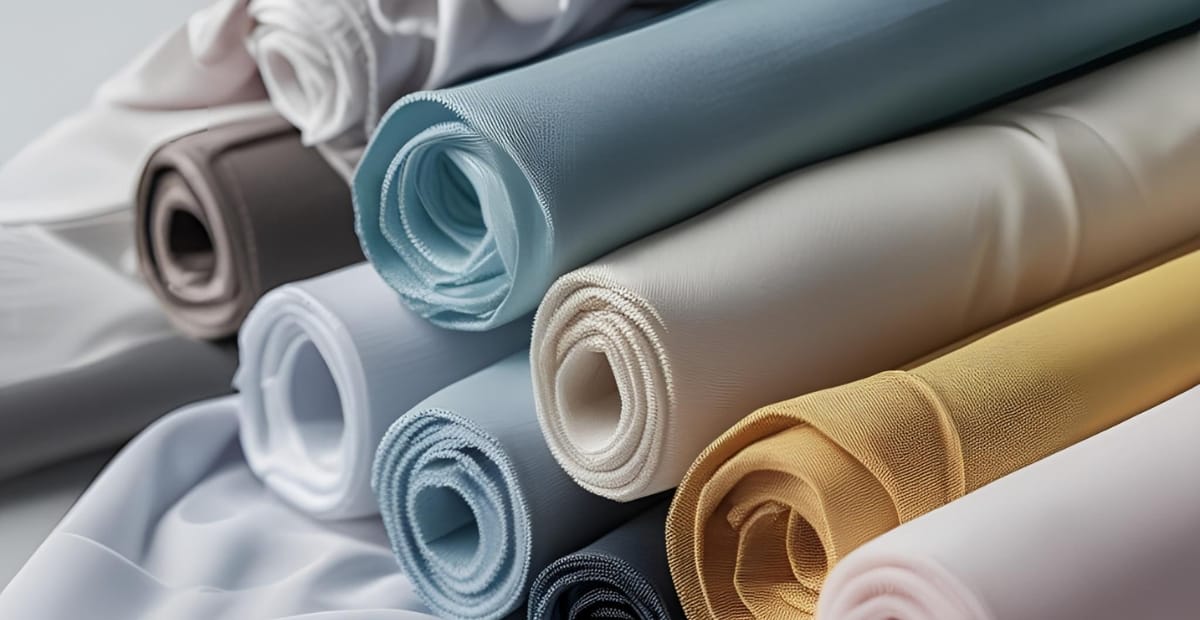 Top Polyester Blends Dominating Summer Fashion Trends
Here’s a creative idea for combining polyester with the seasons: DIY your own temperature-regulating wardrobe. Buy a lightweight, white polyester shirt for summer—it reflects sunlight and feels cool. Then, for winter, grab a thick polyester fleece vest that you can wear over that same shirt. The vest traps heat around your core, while the shirt’s moisture-wicking properties keep you dry if you start to sweat. Add a polyester scarf (which won’t absorb rain like wool) and you’ve got a four-season system. For a fun twist, try a polyester activewear dress in a bright summer pattern—then layer it over a long-sleeve polyester top and tights when the weather cools. Suddenly, one garment works for six months! This kind of versatility is why polyester is secretly the most economical fabric in your closet.
So, is polyester for winter or summer? The answer is both—but only if you choose the right type for the right occasion. Think of polyester not as a single fabric, but as a family of materials that you can customize with your choices. For summer, grab lightweight, moisture-wicking pieces that feel soft against your skin. For winter, reach for thick, insulating fleece or lined jackets that trap heat. With a little know-how, you can make polyester your year-round secret weapon. Experiment with blends, adjust your layering, and don’t be afraid to wash it on a cool cycle with care. This fabric is tough, adaptable, and surprisingly rewarding—much like the people who wear it. Now go out and enjoy your seasons, polyester-style!
