Polyester Fabric For Summer Or Winter

Let’s be real for a second—polyester often gets a bad rap as that cheap, scratchy suit from the 70s. But in reality, it’s a workhorse fabric hiding in plain sight, from your g...
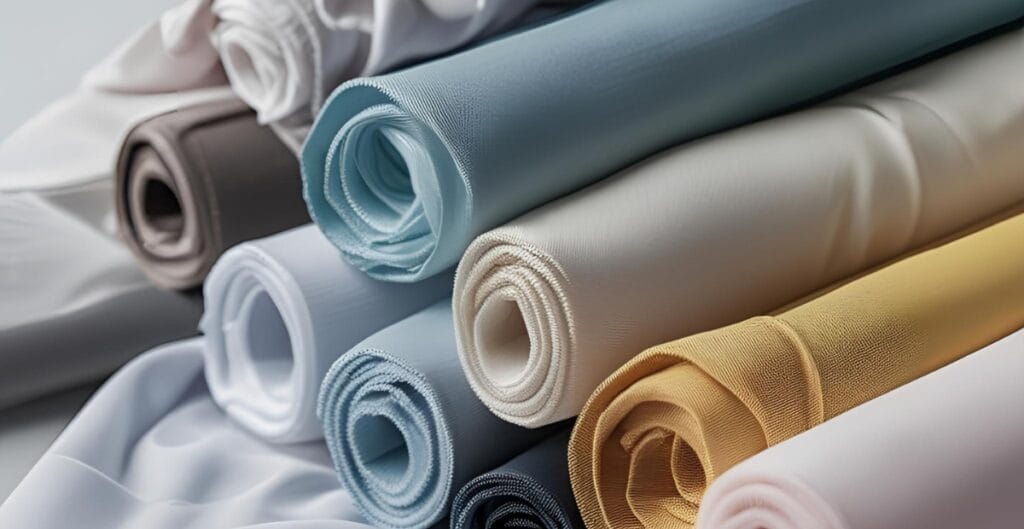
Let’s be real for a second—polyester often gets a bad rap as that cheap, scratchy suit from the 70s. But in reality, it’s a workhorse fabric hiding in plain sight, from your gym shorts to your favorite puffer jacket. The reason it’s so incredibly popular isn’t just low cost; it’s the versatility that lets it pull double duty for both scorching summers and freezing winters. This synthetic marvel matters because it solves very real problems for busy families, outdoor adventurers, and anyone who hates doing laundry.
For individuals and active families, the biggest benefit is performance without fuss. Polyester is hydrophobic, meaning it wicks moisture away from your skin instead of soaking it up like cotton. Imagine a kid running around at a summer picnic—a cotton shirt turns into a wet rag, but a polyester blend stays relatively dry and comfortable. The same logic applies to winter: a polyester thermal layer traps body heat while letting sweat escape, so you don’t freeze when you stop moving. For communities that rely on affordable gear—like sports leagues or outdoor clubs—polyester makes high-performance clothing accessible to everyone, not just the wealthy.
Consider real-life examples that show this fabric’s range. In summer, think of a breathable, quick-dry polo worn while hiking in July—it keeps you cool, dries fast after a stream crossing, and resists wrinkling. In winter, picture a fleece-lined polyester hoodie worn under a windbreaker during a snowy walk. Or take a family camping trip: a polyester tent and sleeping bag liner protect against damp ground and cold nights, because the fabric doesn’t absorb moisture. Even your everyday reusable grocery bag or backpack is probably polyester, handling heavy loads without tearing.
Must Read
Here are some practical suggestions to apply this knowledge easily. First, in summer, choose polyester blends for activewear, sportswear, and travel clothes—look for terms like “moisture-wicking” or “performance fabric” on tags. For winter, layer a thin polyester base layer under your wool or cotton sweater to trap heat better and reduce itch. When washing, turn polyester items inside out, use cold water, and avoid high heat drying to prevent pilling and keep them lasting longer. For families, buy polyester-rich school uniforms or play clothes—they survive muddy playgrounds and stain removal better than natural fibers, saving money.
The environmental angle matters too: recycled polyester is now widely available, made from plastic bottles. This gives communities a chance to support sustainable choices without sacrificing durability. Many brands now mix recycled polyester with organic cotton or hemp, offering a compromise that feels good against the skin and the planet. By choosing these options, you’re supporting a circular economy while getting all the weather-defying benefits.
 Top 10 Activewear Fabrics for Comfort and Performance
On a positive note, polyester’s relevance today is undeniable. It’s in your car seat covers, your sun hat, and your baby’s waterproof bib—always working quietly. It’s what keeps a firefighter dry and a hiker warm. The next time you feel the summer sun and reach for a moisture-wicking shirt, or pull on a cozy fleece in December, remember that polyester is the reliable friend that adapts to your life. It’s not perfect, but when used smartly, it helps you spend less time worrying about your clothes and more time enjoying the season—whatever the weather throws your way.
So, go ahead and embrace polyester for what it is: a chameleon fabric that respects your budget and your busy schedule. Whether you’re sweating through a heatwave or bundled up in a blizzard, this synthetic staple proves that practicality can be pretty awesome. In the end, it’s not about choosing between summer or winter—it’s about a fabric that makes both seasons a little easier to handle. That’s a win for individuals, families, and communities alike.
