Plain Salt Or Iodized Salt

Salt Talk: The Great Plain vs. Iodized Debate Ever stood in the supermarket aisle, staring at the salt section, feeling like you're in a game of 'Which One's Different?' betw...
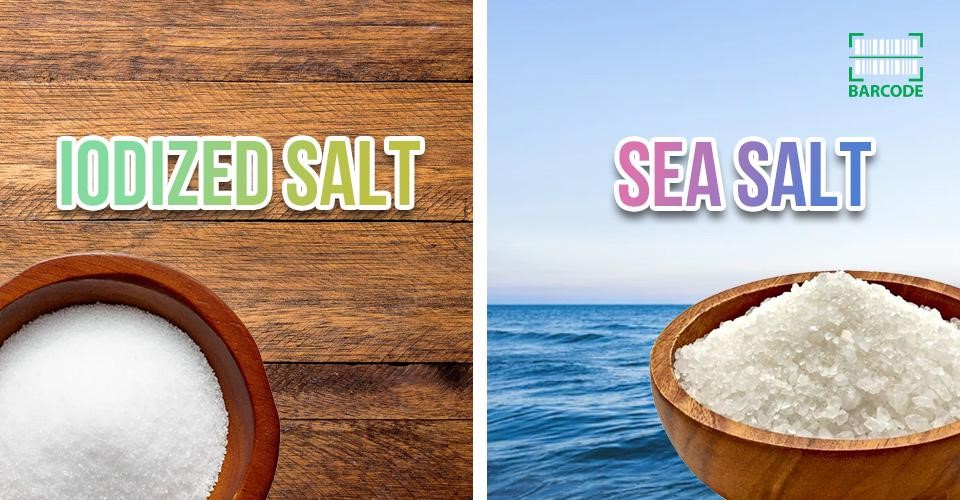
Salt Talk: The Great Plain vs. Iodized Debate
Ever stood in the supermarket aisle, staring at the salt section, feeling like you're in a game of 'Which One's Different?' between plain salt and iodized salt? You're not alone, friend. Let's dive into this salty saga and figure out which one's the salt of the earth for you.
Meet the Players: Plain Salt and Iodized Salt
Imagine plain salt as the classic, old-school friend who's always there for you. It's just sodium chloride, the same stuff that's been around since the dawn of time. It's simple, it's pure, and it's been satisfying our taste buds for centuries.
Now, meet iodized salt. This friend is a bit more modern, with a twist. It's still sodium chloride, but with a dash of iodine, a mineral that's crucial for our health. It's like the friend who's always looking out for you, making sure you're getting what you need.
Must Read
Why Should You Care?
You might be thinking, "Who cares about salt? It's just salt, right?" Well, hold your horses, because salt is a big deal. It's in almost everything we eat, and it plays a huge role in our health. It's like the unsung hero of our meals, working tirelessly behind the scenes.
But here's the thing: not all salts are created equal. And that's where plain salt and iodized salt part ways.
Plain Salt: The Classic Choice
Plain salt is like the reliable, steady friend who's always there. It's cheap, it's easy to find, and it works just fine in most recipes. It's the salt your grandma used, and her grandma before her. It's comfort food in salt form.
But here's the catch. Plain salt doesn't have iodine. And that's a big deal because our bodies need iodine to make thyroid hormones, which regulate our metabolism. Without enough iodine, we can develop goiters, a condition where the thyroid gland swells up.
In the old days, goiters were common in areas with iodine-poor soil. That's why, back in the 1920s, the U.S. started adding iodine to salt to prevent this. It was a game-changer, and it worked. Goiter rates plummeted.
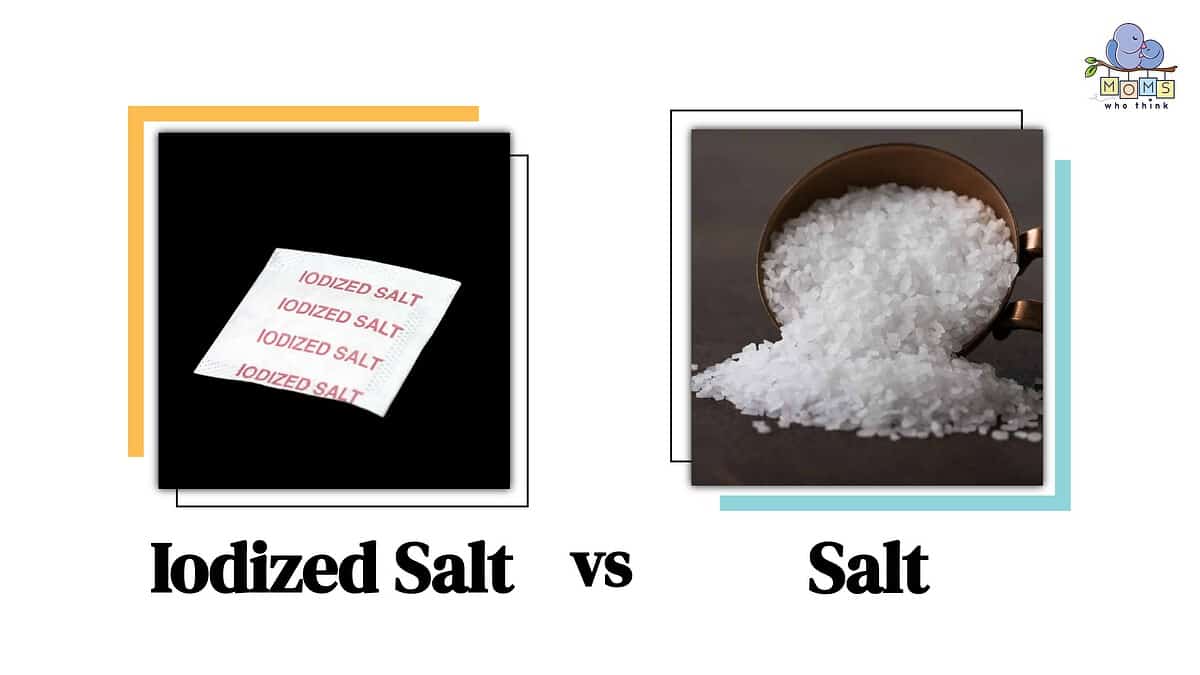 Iodized Salt vs Salt: Key Differences
Iodized Salt: The Health-Conscious Friend
Iodized salt is like the friend who's always encouraging you to eat your veggies. It's not just about taste; it's about health too. By adding iodine to salt, we're making sure we're getting enough of this crucial mineral.
But here's where it gets interesting. Too much of a good thing can be bad, and iodine is no exception. While iodine deficiency is a real issue, iodine excess can also cause problems, like thyroid dysfunction. So, while iodized salt is great, it's important not to overdo it.
So, Which One Should You Choose?
The short answer? It depends. If you're at risk of iodine deficiency, like if you're pregnant or live in an iodine-deficient area, iodized salt might be the way to go. But if you're getting enough iodine from other sources, like seafood or dairy, plain salt could be just fine.
The key is balance. We need salt for our health, but too much can cause high blood pressure and other issues. So, whether you choose plain or iodized, remember: a little salt goes a long way.
And hey, if you're feeling fancy, you could always try gourmet salts too. There's a whole world of salts out there, from Himalayan pink to Hawaiian black. But that's a story for another time.
So, there you have it, folks. The great plain vs. iodized salt debate, demystified. Next time you're in the supermarket, you'll know just what to reach for. Happy salting!
