Oscar De La Hoya Important Facts

What makes a life story truly compelling? Often, it is a blend of dazzling success, crushing failure, and the relentless will to rise again. The story of Oscar De La Hoya offe...
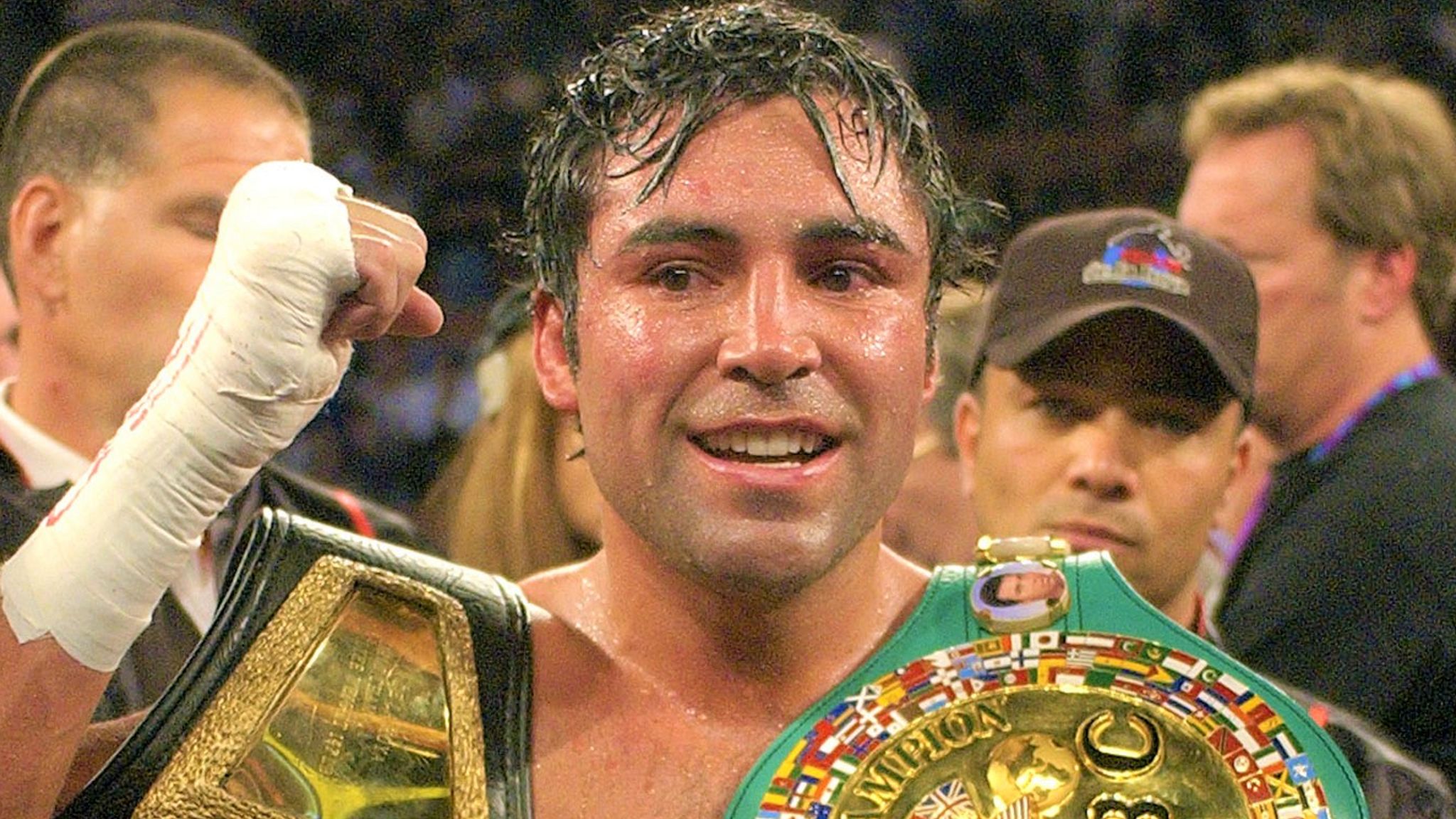
What makes a life story truly compelling? Often, it is a blend of dazzling success, crushing failure, and the relentless will to rise again. The story of Oscar De La Hoya offers this in abundance, making him one of the most fascinating figures in sports history. For fans, he is not just a boxer; he is a symbol of a specific golden era in the sport, a showman whose fights were events. His journey from an Olympic gold medalist to a ten-time world champion and then to a major promotional powerhouse provides a masterclass in ambition, resilience, and reinvention.
At its core, Oscar De La Hoya’s key purpose in his prime was to unify the sport of boxing. He fought across six different weight classes, from junior lightweight to middleweight, taking on the toughest opponents of his generation. Names like Pernell Whitaker, Julio César Chávez, and Floyd Mayweather Jr. all shared the ring with him. For the casual viewer, his fights were accessible, high-skill dramas. For the dedicated fan, they represented the pure test of a champion’s resolve. He demonstrated that greatness is not about avoiding challenges, but about chasing them, a principle that applies directly to everyday life—whether in a career, a personal project, or a difficult relationship.
How does this translate into benefits for your own life? De La Hoya’s career is a textbook example of strategic risk-taking. He didn't stay in his comfort zone; he moved up in weight, facing bigger, stronger men. This teaches us that to achieve significant growth, we must embrace discomfort. Consider a professional who learns a new skill outside their expertise, or a student who takes on a challenging course. Like De La Hoya stepping into the ring with a heavier opponent, they face a higher chance of failure, but the potential reward—mastery and respect—is far greater. His ability to evolve from a pure boxer-puncher to a more tactical fighter later in his career also shows the benefit of adaptive thinking; when one plan fails, the best performers adjust, not quit.
Must Read
To understand his impact, look at a common scenario: a young athlete feeling pressure to win at all costs. De La Hoya’s famous 1999 fight against Felix Trinidad is a perfect cautionary tale. He boxed brilliantly for the first nine rounds, only to coast in the final three, losing a decision. This defeat was not just a loss; it was a lesson in complacency. The benefit for us is clear: no matter how good you are, you must finish strong. Whether you are closing a business deal, writing the final chapter of a book, or running a marathon, the closing moments define the result. De La Hoya’s regret in that loss serves as a powerful reminder to maintain intensity until the final bell.
Beyond the ring, his greatest contribution has been as a promoter. After retiring, he founded Golden Boy Promotions, which has become one of the most influential companies in boxing. This transition offers a key insight: your first career does not have to be your last. De La Hoya used the fame and business savvy earned from fighting to build a platform for new stars. For anyone feeling stuck in a profession, his story shows that the skills you develop—negotiation, resilience, public speaking—are transferable. A teacher can become a curriculum designer; a carpenter can become a project manager. Your past is not your prison; it can be your launchpad.
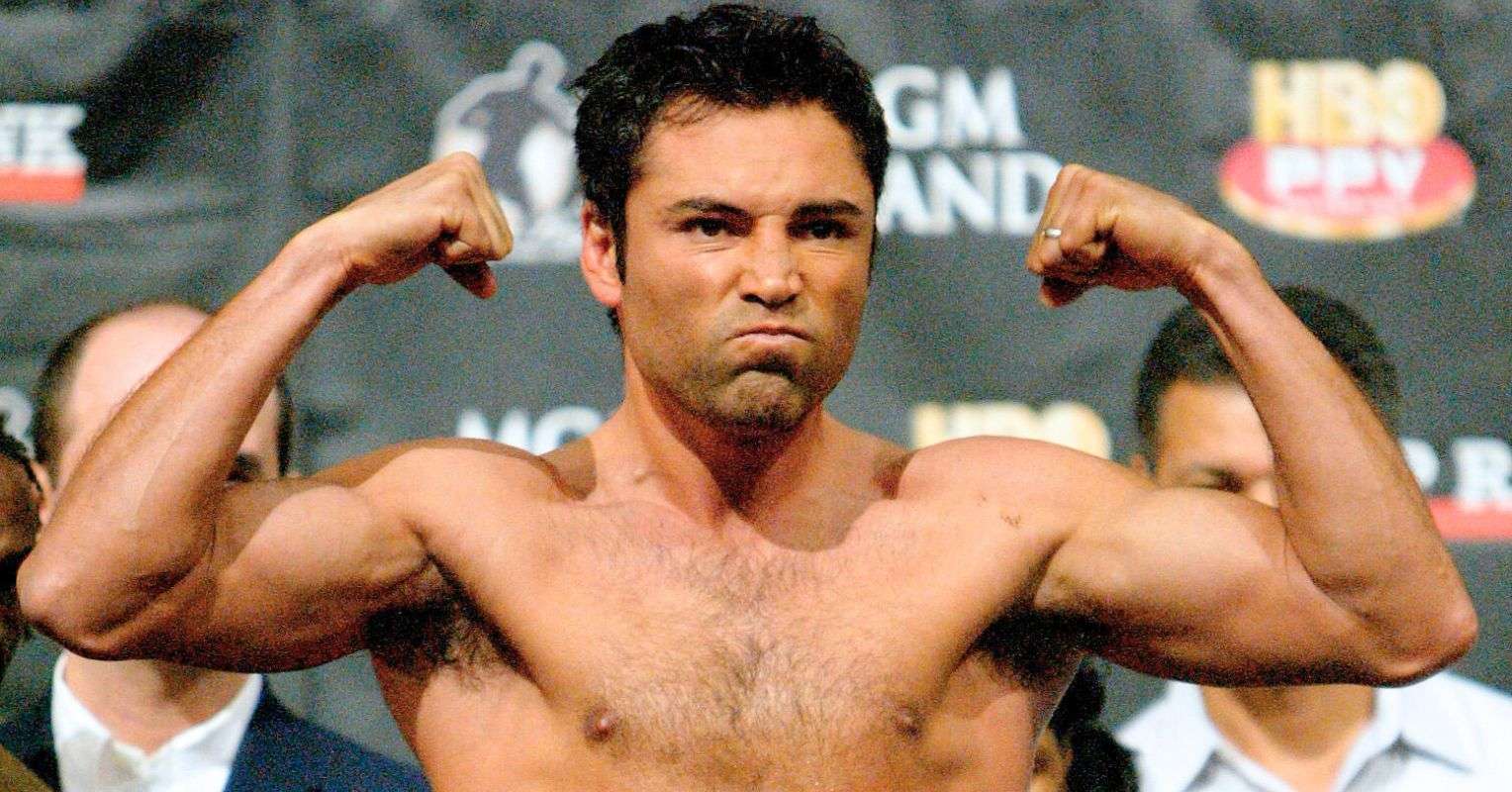 Roy Jones Jr Has No Doubt Who The Greatest Fighter Of All Time Is: "I
If you want to explore De La Hoya’s world on your own, start with a specific fight: his 1992 Olympic gold medal match versus a German boxer, or his 2008 bout with Manny Pacquiao. Watch not just the punches, but the footwork and the timing. Then, read his memoir, "The American Son," which provides raw detail about his struggles with his father, his identity, and his later battles with addiction. A useful tip is to compare his style to a modern boxer like Canelo Álvarez—whom he once promoted. Notice how Canelo’s pressure fighting differs from De La Hoya’s more elegant, counter-punching approach. This comparison will deepen your appreciation for the technical nuances of the sport.
Finally, remember that a great life is not a clean, unblemished highlight reel. De La Hoya’s personal struggles, including well-publicized battles with substance abuse, are a crucial part of his story. They serve as a sobering reminder that achievement does not immunize you from human frailty. The benefit of studying figures like him is that they offer a complete map of the human condition: tenacity, pride, failure, and redemption. Use his journey not as a template to copy, but as a mirror to examine your own ambitions and weaknesses. In the end, the value of Oscar De La Hoya is not just in the belts he won, but in the complex, imperfect man who kept climbing back into the ring, both literally and figuratively.

