Orb Weaver Spider Are They Harmful

So, you’re staring at a spider the size of a quarter, hanging in a web that looks like it was designed by a drunken geometry teacher. It’s an orb weaver, and your first though...
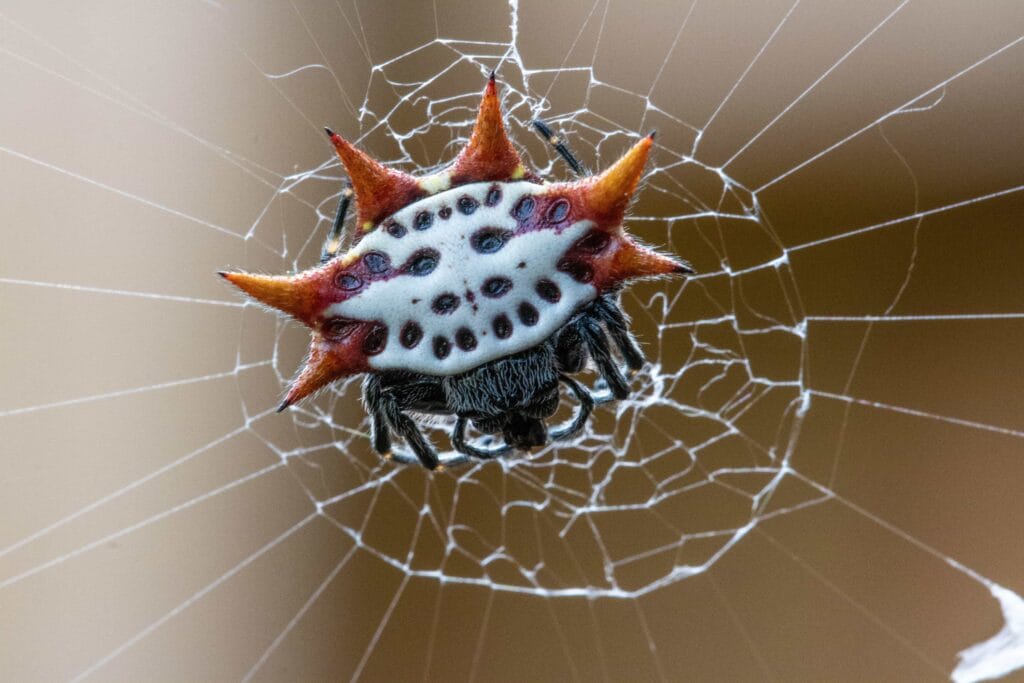
So, you’re staring at a spider the size of a quarter, hanging in a web that looks like it was designed by a drunken geometry teacher. It’s an orb weaver, and your first thought is probably, “Does this thing want to murder me?” Relax. Put down the flamethrower. These eight-legged acrobats are about as dangerous as a friendly neighbor who occasionally redecorates your porch without asking.
Let’s get the scary stuff out of the way first. Yes, orb weavers have venom. But here’s the hilarious truth: their venom is weaker than a mosquito’s after a long night out. It’s specifically designed to turn a fly into a liquid smoothie, not to ruin your day. So unless you are a tiny, juicy insect, their bite is nothing to worry about.
The Bite That’s a Big, Fat Nothingburger
I’m not saying you want to get bitten—that would be like wanting a papercut from a warm, damp piece of paper. But if an orb weaver does manage to chomp you (which is rare, because they’d rather run than fight), you’ll maybe feel a tiny pinch. The worst result? A slight red bump that looks like you argued with a raspberry and lost.
Must Read
Compare that to a bee sting, which is like being jabbed with a fiery sewing needle. Orb weaver bites are more like a grumpy toddler pinching you in a grocery store lineup. Annoying? Yes. Life-threatening? Only if you have a very specific, extremely rare allergy to spider tickles.
In fact, scientists have a hard time even getting them to bite people. They have to tickle them relentlessly to provoke a response. Imagine a spider being the chillest creature in your garden, while you’re the one screaming about a moth.
Their Real Superpower: Terror by Thread
Orb weavers aren’t harmful to you, but they are spectacularly annoying if you’re a human with a face. Their real crime is architectural genius. These spiders build webs that are massive, intricate, and often placed right at face-height on your morning walk.
You know the feeling. You’re heading to the car, sipping your coffee, thinking about spreadsheets. Then—shlorp—you walk into an invisible trampoline made of silk and anxiety. You flail, you scream, you do a tiny dance that looks like you’re trying to swat a ghost. That’s the orb weaver’s only real weapon: surprising you with a face full of sticky despair.
And they don’t care. They just sit there, in the center, probably thinking, “Wow, humans are terrible at navigating the air.” It’s not malicious. It’s just bad urban planning on their part.
The Unexpected Benefits of Having a Spider Landlord
Here’s where it gets good. Having an orb weaver in your yard is like having a free, organic, hyper-active pest control service that pays rent in webs. They don’t ask for much: just a corner of your eave and a steady supply of mosquitoes, flies, and moths.
 Weaving Spiders Come Not Here Meaning
And they are voracious. A single orb weaver can eat a dozen mosquitoes a day. That’s a dozen less buzzing in your ear at 3 AM, plotting your demise. They are the bouncers of the insect world, and they work for free.
Plus, they’re surprisingly beautiful. Look at their patterns! Stripes, zigzags, even golden silk in some species. It’s like having a tiny, terrifying art gallery on your porch that occasionally repositions itself.
Fun Facts to Freak Out Your Friends
Did you know orb weavers eat their own webs every night? It’s true. They recycle the silk protein to build a fresh web the next day. That’s like you eating your bed every morning so you can make a new one for your nap.
And get this: some orb weaver silk is stronger than steel on a per-weight basis. If you could make a cable out of that stuff, you could theoretically stop a freight train. For now, it’s just used to catch a confused fly named Barry.
So, are orb weavers harmful? Only if you count being covered in web, looking like a mummy made of cling wrap, as “harmful.” Otherwise, these guys are harmless, helpful, and hilarious. The only danger is if you try to give them a high-five. They don’t have hands. They’ll just get confused.
Let them be. They’ll thank you by eating the bugs you hate. Just maybe walk around their web. That’s not cowardice—that’s diplomatic coexistence.
