My Father Is The Top Invester

People often value stories of financial wisdom passed down through generations, not just for the promise of wealth, but for the clarity and stability they bring to everyday li...
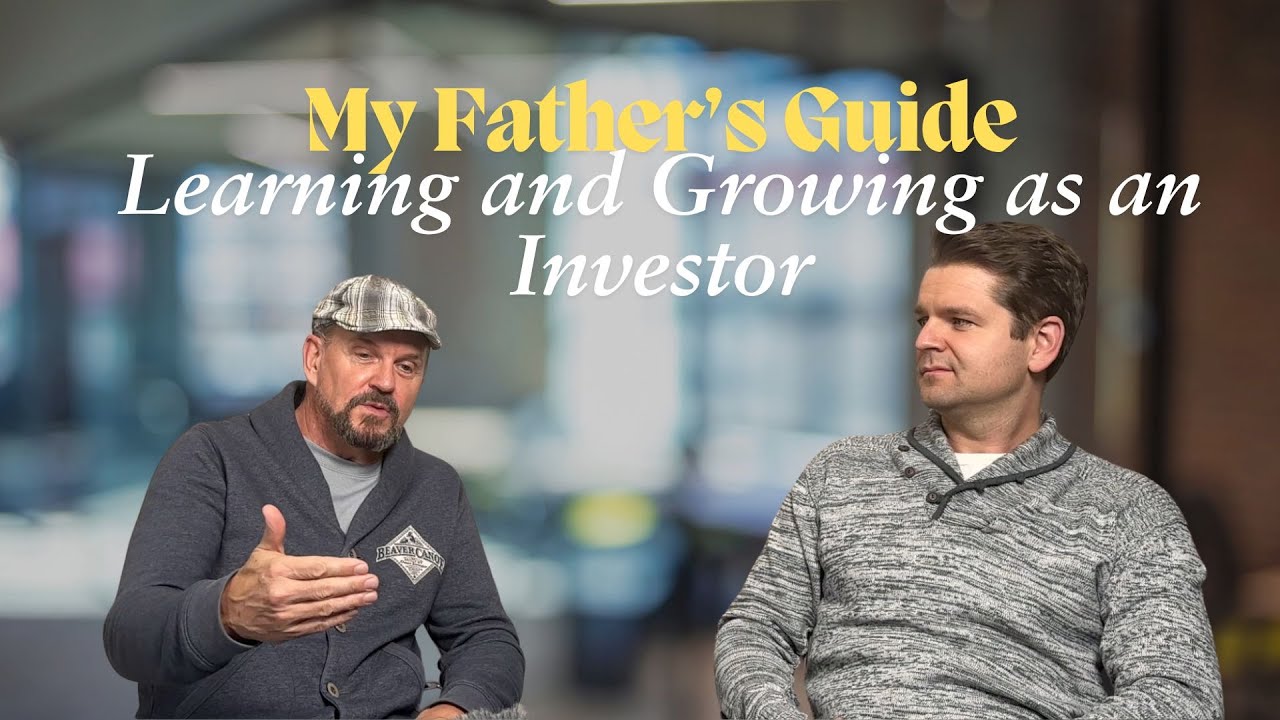
People often value stories of financial wisdom passed down through generations, not just for the promise of wealth, but for the clarity and stability they bring to everyday life. My father is the top investor in our family, and through his example, I’ve come to see investing not as a gamble, but as a deliberate practice of patience and strategy. His approach transforms a complex world of markets into a simple, reliable system for building security. For him, money isn’t the goal—it’s the tool for a well-lived life, and that perspective is what makes his financial legacy truly valuable.
The key purpose of my father’s investing philosophy is wealth preservation combined with steady growth. He doesn’t chase rapid gains or hot tips from news headlines. Instead, he focuses on compounding returns over decades. For example, when I was a child, he invested a modest monthly sum into a diversified index fund. He explained that the real money would come from time, not timing the market. Two decades later, that small, consistent habit has grown into a substantial safety net, funding my education and giving our family the freedom to take risks in other areas of life, like starting a small business or traveling.
Beyond the numbers, this approach offers profound benefits for everyday decision-making. My father’s investing mindset teaches emotional discipline. When the market dips—as it inevitably does—he doesn’t panic. He sees it as a sale. I recall one year when stocks fell by 20%; instead of selling, he bought more of the companies he believed in. This lesson has seeped into how I handle non-financial setbacks. Whether facing a career hurdle or a personal challenge, I now ask: What is the long-term value here? That shift in perspective, born from his investing habits, reduces anxiety and builds resilience in all aspects of life.
Must Read
Another crucial benefit is the cultivation of critical thinking and research skills. My father never bought a stock without understanding the business behind it. He taught me to read annual reports, analyze competition, and ignore market noise. For instance, he once passed on a trendy tech company because its revenue came from a single product with high debt. Months later, that company’s stock crashed. This taught me that slow and careful evaluation is more rewarding than quick action. In daily life, I now apply the same rigor to evaluating any major decision—from choosing a career path to selecting a place to live—by gathering data and pondering the long-term consequences before acting.
To explore this practice on your own, start with a few simple, actionable tips. First, automate your savings before you spend. My father’s first rule was “pay yourself first.” Even 10% of your income, set to automatically transfer to a low-cost index fund, builds a foundation using the power of compounding. Second, keep learning one concept a month. Read one book on a specific topic—like margin of safety or asset allocation—rather than chasing daily news. My father spent weekends reading annual reports, not stock tips, and his knowledge grew systematically. Third, embrace mistakes as tuition. He sold a promising stock too early once and lost potential gains; instead of regret, he framed it as a lesson in patience. Write down your decisions and review them quarterly without judgment.
 I am not self made. My father was the 1st investor in my first real
Finally, consider the real-world scenario of planning for retirement or a child’s education. My father didn’t wait for the “perfect” moment to start. He began with small, regular investments during a recession, when everyone was fearful. Over time, those early purchases became the highest-returning parts of his portfolio. You can simulate this by setting a goal and a timeline, then choosing a simple portfolio of 2–3 diversified funds. Use a compound interest calculator to see how small, consistent amounts grow over 20 years. This visual helps you stay the course during market turbulence, remembering that time is your greatest ally.
In summary, my father’s identity as the top investor in our lives isn’t about flaunting wealth—it’s about embodying patience, discipline, and lifelong learning. Investing, when done well, is a mirror of how one approaches life: focusing on what you can control, ignoring noise, and valuing consistent effort over dramatic moves. By starting small, staying curious, and letting time work for you, anyone can build the same foundation of security and freedom. The real investment, after all, is in the quality of your future decisions—and that is the most valuable return of all.

