More Than 50% Of Ecosystems Are Currently Being Used Unsustainably.

Alright, grab your coffee and pull up a chair, because I’ve got some news that’s equal parts alarming and weirdly hilarious. It turns out that more than 50% of Earth’s ecosyst...
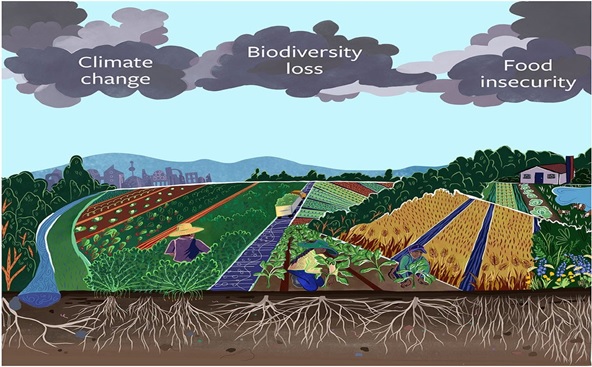
Alright, grab your coffee and pull up a chair, because I’ve got some news that’s equal parts alarming and weirdly hilarious. It turns out that more than 50% of Earth’s ecosystems are currently being used in a way that’s about as sustainable as a sugar rush at 3 AM. Seriously—half of the planet’s natural life-support systems are being run like a badly managed amusement park, where the rides are breaking down and the cotton candy machine is on fire.
What Does “Unsustainably” Even Mean?
Picture this: You go to an all-you-can-eat buffet, but instead of pacing yourself, you shove everything into your mouth at once, then wonder why you’re on the floor groaning. That’s us with ecosystems—forests, oceans, wetlands—we’re taking way more than they can regrow or replenish. According to a report from the United Nations’ Intergovernmental Science-Policy Platform on Biodiversity and Ecosystem Services (IPBES), we’ve hit a terrifying milestone: over half of the planet’s land and water systems are now degraded or unsustainably exploited. That’s not a slow leak; that’s a party guest who drank all the punch and then broke the bowl.
The Sneaky Culprits You Didn’t Expect
You might think the biggest problem is giant factories spewing smoke, but wait—guess what’s a top driver? Farming. Yes, that innocent-looking field of corn is actually a massive resource hog. Agriculture uses about 70% of the world’s freshwater, and we’ve turned forests into crop land faster than a toddler destroys a Lego castle. And here’s a jaw-dropping fact: we’ve lost one-third of the world’s topsoil in the last 40 years. That’s like finding out your favorite jeans have a hole the size of a pizza slice—you don’t notice until it’s too late.
Must Read
But wait, there’s more. Fishing? Total chaos. About 33% of global fish stocks are overfished, according to the Food and Agriculture Organization. That means we’re pulling tuna out of the ocean faster than it can have tuna babies. It’s like eating your seed corn—except with fins, and way more sushi.
The Real Punchline: We’re All in This Together
Here’s where the humor gets dark. The ecosystems we’re trashing are the same ones that clean our air, pollinate our crops, and keep the climate from turning into a sauna. Ecosystem services—like pollination and water filtration—are worth an estimated $125 trillion a year. That’s more than the combined GDP of every country on Earth. So we’re basically cutting off our own economic nose to spite our planetary face. I’d call that a masterclass in self-sabotage, but that would imply we planned it.
 Baltic Sea, UPSC
Oh, and get this: peatlands cover only 3% of the land, but they store twice as much carbon as all the world’s forests combined. And we’re draining them to grow palm oil for cheap cookies. That’s like storing your life savings in a fireproof safe, then using it as a barbecue grill. Unbelievable, right?
But Don’t Panic—Yet
Before you start building a bunker in your backyard, here’s the good news. We have solutions that are surprisingly simple and sometimes even silly-sounding. For example, regenerative agriculture—farmers who let cows graze strategically, like a rotating dance floor—can rebuild soil and trap carbon. In Kenya, farmers are using “push-pull” farming, where they plant smelly grasses to keep pests away. It’s like a natural bug repellent that only works if you’re a caterpillar. And it works!
Also, about 15% of the world’s land is now protected, but we need to double that to give ecosystems a fighting chance. Think of it as putting a “Do Not Disturb” sign on a chunk of the Earth’s hotel room. Sure, it’s not a full solution, but it’s a start.
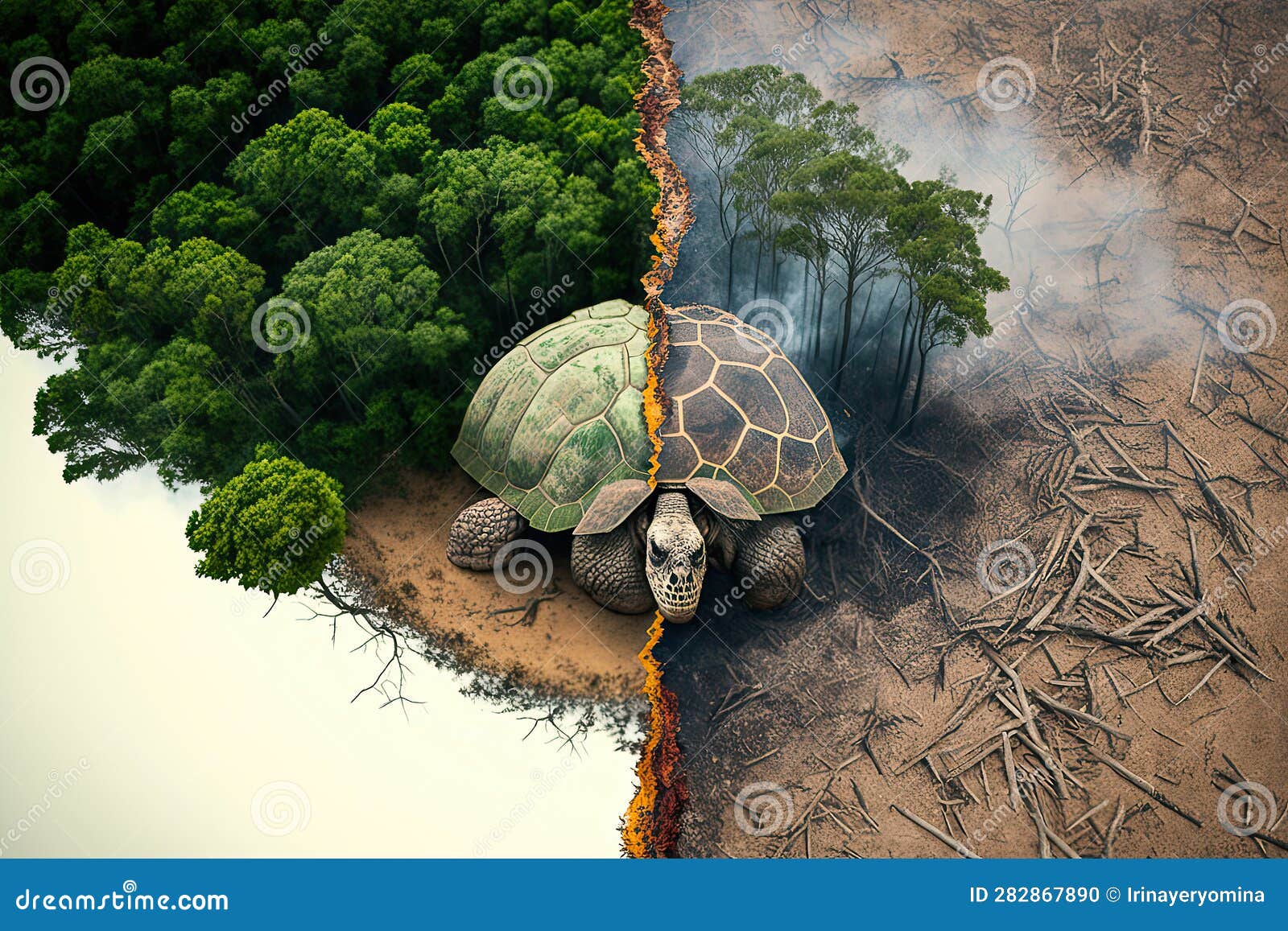 Biodiversity Ecosystems
The Weirdest Fact That Might Save Us
Here’s a surprising twist: beavers are unsung heroes. According to a study from the University of Exeter, beaver dams can reduce flooding by up to 60% and create new wetlands that suck up carbon. We’ve been killing them for hats, and they turned out to be our best water engineers. Imagine if I called you “dam builder” and meant it as a compliment. That’s beavers.
So next time you eat a burger, turn on a light, or flush a toilet, remember: you’re part of a system that’s been running on borrowed time. Half of our ecosystems are unsustainably used—but the other half is still hanging in there, like that one friend who always brings extra napkins to the messy picnic. The question is: are we going to eat their napkins too, or finally start using a plate?
In the end, the punchline is that we’re both the problem and the solution. And honestly, if we can laugh at ourselves while fixing this mess, we might just save the planet—one awkward, beaver-assisted, soil-saving joke at a time. Now, pass the coffee. We’ve got work to do.
