Minimum Internal Temp For Scrambled Eggs

Let’s be honest: scrambled eggs are the unsung heroes of the kitchen. They’re the quick breakfast before work, the comforting midnight snack, and the star of lazy Sunday brunc...
Let’s be honest: scrambled eggs are the unsung heroes of the kitchen. They’re the quick breakfast before work, the comforting midnight snack, and the star of lazy Sunday brunches. But have you ever stopped mid-whisk to wonder, “Is this actually safe to eat?” I’m talking about that magic number: the minimum internal temperature.
Why does temperature even matter for eggs?
We usually think of eggs as safe, but like any protein, they can harbor bacteria—most famously Salmonella. It’s not common, but it’s real, and it’s the reason your mom always told you not to eat raw cookie dough. For scrambled eggs, the official safety guideline from the USDA is 160°F (71°C).
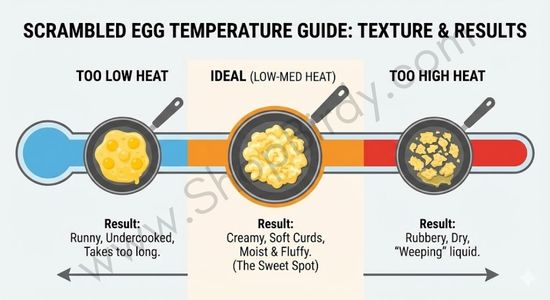
Think of it like this: 160°F is the “done zone.” It’s where the eggs are no longer runny, but they’re still tender and fluffy. It’s the sweet spot between a gloopy mess and a rubbery hockey puck.
Must Read
How do you know when they’ve hit 160°F?
You don’t need a science lab in your kitchen. A simple instant-read thermometer is your best friend, but you can also use the “visual cue” method. When your eggs are just set—no visible liquid egg remaining—and they’re still soft, you’re likely very close.
Here’s a relatable story: last week, I made scrambled eggs for my sleepy toddler. I pulled them off the heat when they looked “almost ready,” thinking carryover cooking would finish them. Ten minutes later, he refused to eat them because they were dry and crumbly.
The science of “carryover cooking”
Yes, eggs continue to cook after you remove them from the pan. This is called carryover cooking, and it’s why you should pull them off the heat when they’re still slightly underdone. If you wait until they hit 160°F on the stove, they’ll end up at 170°F on the plate—and that’s the texture of a sponge.
So, aim for about 155°F to 158°F on the stove, then let the residual heat push them to the safe 160°F. Picture it like a slow dance: you stop just before the perfect moment, and the music carries you there.
What happens if you skip the temp check?
Honestly, most people don’t die from slightly undercooked scrambled eggs. But you might spend the next 24 hours regretting that hasty breakfast. Food poisoning from eggs feels like a bad flu—nausea, cramps, and a deep hatred for your previously loved brunch spot.
And on the flip side, overcooking them is a tragedy. You’ve seen those diner eggs that weep water? That’s from overheating. The proteins tighten up so hard they squeeze out all the moisture, leaving you with a sad, gray puddle.
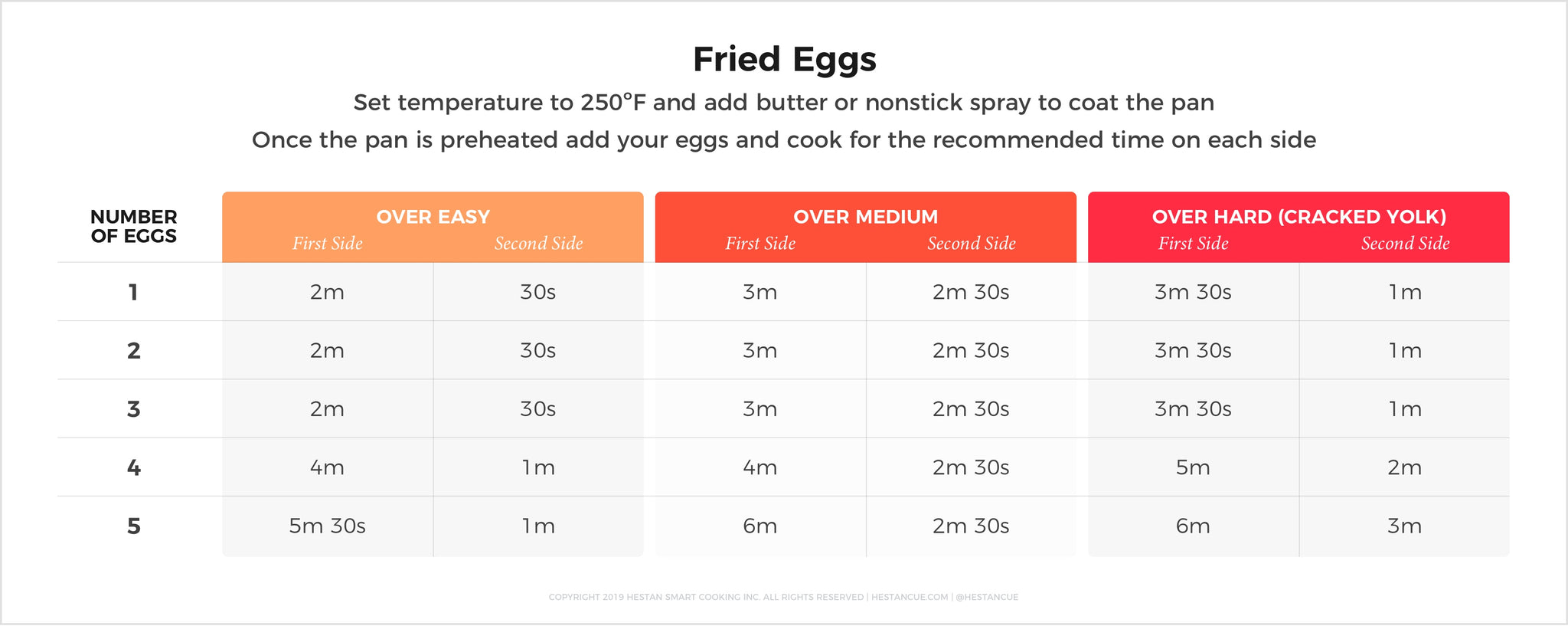 Egg Cooking Temperature _ What is the recommended temperature for
A simple technique for perfect eggs every time
Next time, try this: cook your eggs on medium-low heat. Use a nonstick pan and a rubber spatula. Stir gently, lifting the curds from the bottom. When you see the eggs start to look creamy but still a bit wet, remove the pan from the heat.
Keep stirring for another 30 seconds. If you have a thermometer, check the temp now. It should be right around 160°F. If not, pop it back on low heat for 15 seconds. That’s it. No more guessing. No more fear.
But wait—what about pasteurized eggs?
If you’re using pasteurized eggs (sold in cartons or special packs), they’ve already been heat-treated to kill bacteria. Technically, you could eat them raw. But let’s be real: most of us buy regular eggs from the grocery store. So stick with 160°F for peace of mind.
Think of it like wearing a seatbelt. You probably don’t need it every single trip, but the one time you skip it is the time you’ll wish you hadn’t.
Why you should care (in plain English)
You care because you love good food. You care because feeding your family a safe, delicious breakfast is a small act of love. And honestly, you care because nobody wants to ruin their morning coffee run with a bout of food poisoning.
So, next time you crack those eggs, give them a little respect. Don’t just guess. Use your senses, trust a thermometer if you have one, and remember: 160°F is your ticket to fluffy, safe scrambled eggs. Your taste buds—and your stomach—will thank you.
Now go forth, scramble with confidence, and maybe add a little cheese. Because cheese makes everything better. Even food safety.
