Marvel Top 10 Most Powerful Villains

Let’s be real: Marvel’s villains are just as important as its heroes. Debating who’s the baddest isn’t just fanboy fun—it’s a surprisingly useful conversation. For families, i...
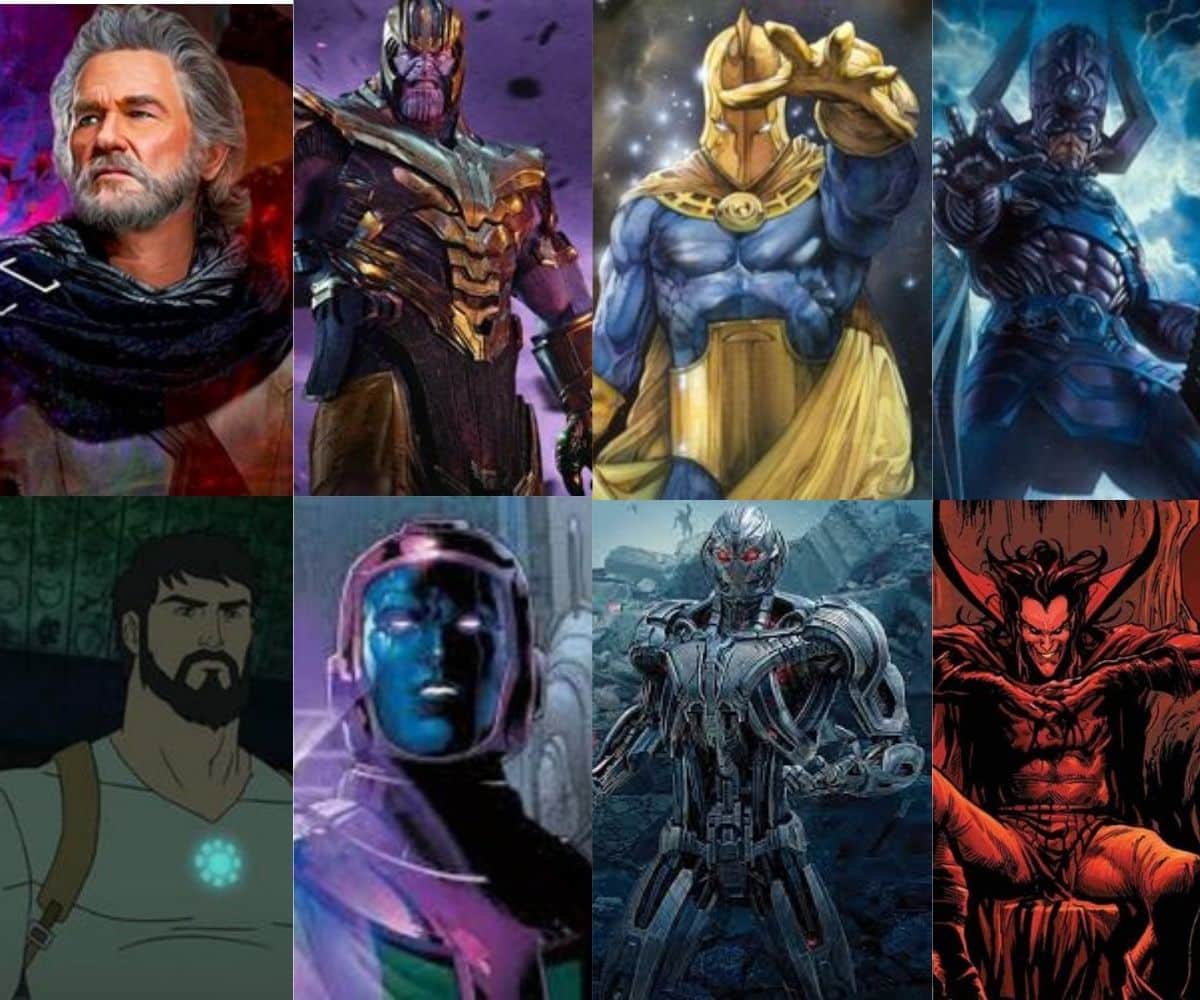
Let’s be real: Marvel’s villains are just as important as its heroes. Debating who’s the baddest isn’t just fanboy fun—it’s a surprisingly useful conversation. For families, it turns movie night into a bonding experience where kids learn about consequences and power. For friends, it sparks arguments that deepen your understanding of character depth. And for you? It’s a mental workout that helps you spot real-world patterns of strength, weakness, and ambition. These stories matter because they show us what happens when limits are ignored.
Take Thanos: his “balance” obsession makes you discuss ethics over dinner. Talk with your kids about why wiping out half the universe is wrong, even if his math seems clean. Then there’s Kang the Conqueror, whose time-travel tantrums teach us about consequences. Communities can use these villains as cautionary tales—like how Dormammu represents unchecked greed, or Ultron embodies tech hubris. When you argue about who’s strongest, you’re actually building critical thinking skills in a safe, playful way.
Here’s the trick: don’t just rank them. Use them. Start a group chat: “If Loki ran your city, what’s the first law he’d pass?” This turns passive watching into active engagement. For personal growth, ask: “Which villain’s flaws do I share?” Doctor Doom’s arrogance? Magneto’s trauma-driven rage? Naming these helps you reflect without feeling attacked. Families can even create a “villain jar”—write down traits like “manipulative” or “vengeful,” then discuss healthy alternatives.
Must Read
Want to dive deeper? Rewatch key scenes with purpose. Compare Apocalypse versus Galactus: one reshapes power, the other devours worlds. Notice how Hela’s destruction mirrors abusive leadership, while Mephisto’s deals reflect bad contracts. These aren’t just fights—they’re blueprints for recognizing danger in life. Start a journal: “What would Skyfather-level villain (like Odin’s brother Cul) do in a boardroom?” You’ll laugh, but you’ll also remember.
Now, a practical list to rank them yourself: First, raw power (can they destroy planets?). Thanos with the Infinity Gauntlet wins. Second, influence—Kingpin owns a city without a superpower. Third, intelligence—Norman Osborn manipulates governments. Finally, resilience—Loki always bounces back. Apply this to your own life: which personal villain do you need to outsmart? Procrastination? Fear? List their “powers” (e.g., social media’s distraction) and counter them like a hero would.
 Top 10 Most Powerful Villains in Marvel Universe | BNN Review - YouTube
The beauty is that these villains mirror our struggles. When you binge Loki or What If…?, you’re studying human nature through a cosmic lens. A community can host a “villain debate night” where teens argue for Kang’s logic versus Ultron’s. It’s edutainment at its finest. Even solo, writing a fake “villain resume” for Mystique helps you think about adaptability and identity. These stories aren’t noise—they’re tools.
So next time someone says these rankings are silly, smile. You know that Thanos teaches sacrifice, Venom teaches control, and Green Goblin teaches the cost of split motives. The real power isn’t in their fists—it’s in how they make us question our own. From the Celestials to Annihilus, every villain is a teacher in disguise. Embrace the darkness, use it to grow, and remember: understanding the most powerful villains is really about understanding ourselves. And that’s a superpower worth having.
