Marquis Jet Card Cost Per Hour

So, you’ve finally decided that the TSA’s “shoes off, laptop out” dance party isn’t for you anymore. Maybe you’re tired of sitting next to someone who’s reclining their seat i...
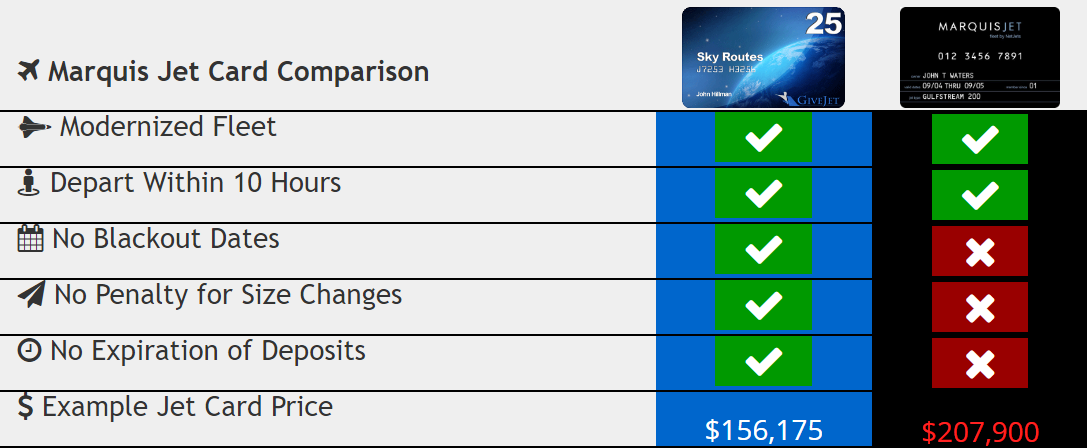
So, you’ve finally decided that the TSA’s “shoes off, laptop out” dance party isn’t for you anymore. Maybe you’re tired of sitting next to someone who’s reclining their seat into your lap on a red-eye. Or perhaps you just want to arrive at your meeting feeling like a human, not a crumpled napkin. Enter the Marquis Jet Card—the gateway drug to private aviation that doesn’t require you to buy an entire Gulfstream. But the burning question, the one everyone whispers about at cocktail parties, is: how much does it cost per hour?
Well, grab your favorite latte (or something stronger, no judgment), because we’re about to get into the math. The short answer: expect to shell out somewhere between $8,500 and $12,000 per hour. Yes, you read that right. That’s not a typo, and no, it doesn’t include a complimentary foot massage (though I wish it did). The price swings wildly depending on the aircraft you choose. Want a light jet, like a Citation CJ3, to zip you and three friends to Aspen? You’re looking at the lower end. Fancy a heavy jet, like a Gulfstream G450, with a proper galley and a lie-flat seat for some mid-air snoozing? That’s where the hourly rate climbs toward a very healthy five figures.
But here’s the thing: that hourly rate isn’t just “plane plus fuel.” It includes everything—crew, insurance, maintenance, catering, landing fees—basically, the hidden costs that make airline tickets look cute. The Marquis Jet Card works like this: you buy a block of 25 hours on a specific jet type, and that hourly rate is locked in, no surprises. It’s like a gym membership, but way cooler, and you don’t have to wipe down the equipment afterward. The joke among frequent flyers is that the real cost isn’t the money—it’s that you’ll never want to fly commercial again. Oops.
Must Read
Now, let’s talk about the elephant in the cockpit: peak vs. non-peak pricing. If you’re trying to fly out of Teterboro on Christmas Eve, expect your cost per hour to get a little… spicy. Summer weekends to the Hamptons? Same deal. The card has “peak” days—think holidays and school break frenzy—where that hourly rate can jump by 20-30%. Pro tip: fly on a Tuesday morning in February. You’ll feel like a financial genius. Also, there’s a pesky little thing called fuel surcharges. They’re not baked into the hourly rate, so keep an eye on the fine print. Yes, read the fine print. I know it’s boring. Do it anyway.
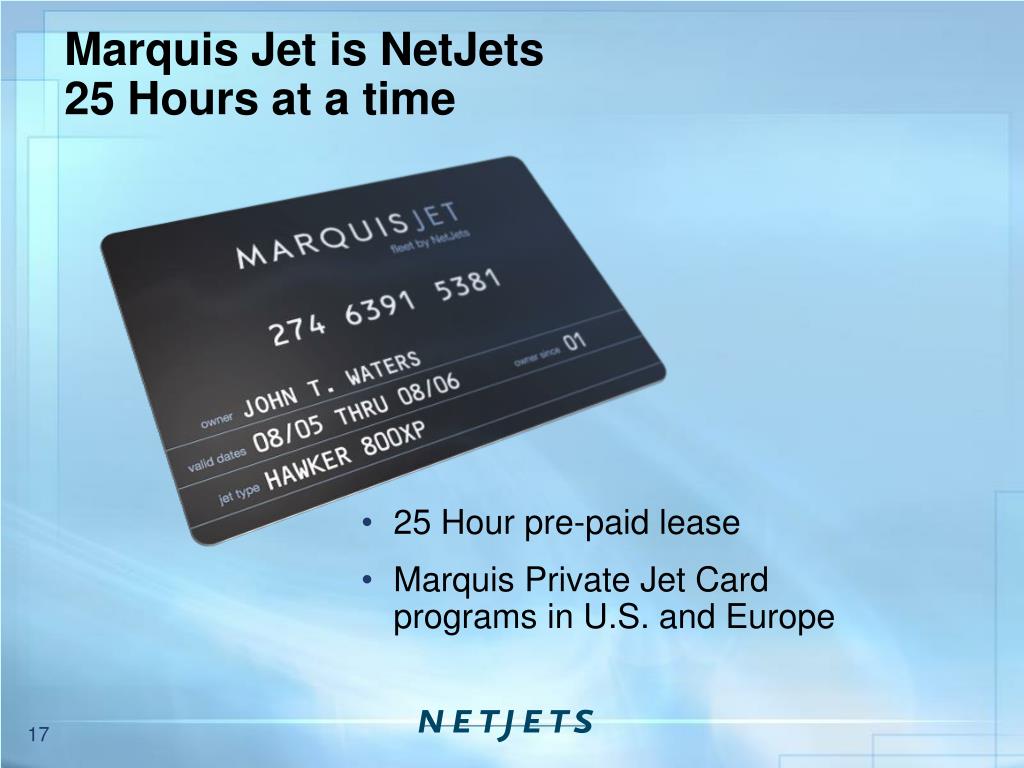 PPT - NetJets Overview PowerPoint Presentation, free download - ID:5767125
Is it worth it? Well, consider this: you’re not just paying for speed. You’re paying for time. Landing at a smaller airport, parking right next to the terminal, and walking straight to your rental car. No baggage claim roulette. No listening to someone’s toddler have a meltdown over a pretzel. If you value your sanity (and I suspect you do), the Marquis Jet Card becomes less of a luxury and more of a survival strategy. One travel blogger I know calls it the “Voldemort of travel”—once you use it, you can never speak its cost out loud without your wallet weeping.
The bottom line? For a lifestyle that whispers, “I have my life together” (even if your sock drawer doesn’t), the Marquis Jet Card is a fantastic hack. Yes, the cost per hour is eye-watering. Yes, you’ll have to explain it to your accountant. But here’s the uplifting part: every hour you save sitting in a cramped middle seat is an hour you get back. An hour to laugh with your kids. An hour to finish that novel. An hour to simply breathe. And that? That’s priceless. So go ahead, book that 25-hour block. You deserve to arrive at your destination not just on time, but happy. The sky’s the limit—just don’t ask the pilot if snacks are included. (They are. And they’re good snacks.)

