Low Fodmap Diet And Weight Loss

Hey there, fellow foodie! Grab a cuppa and let's chat about something that's been buzzing around the health scene - the low FODMAP diet and its weight loss potential. You migh...
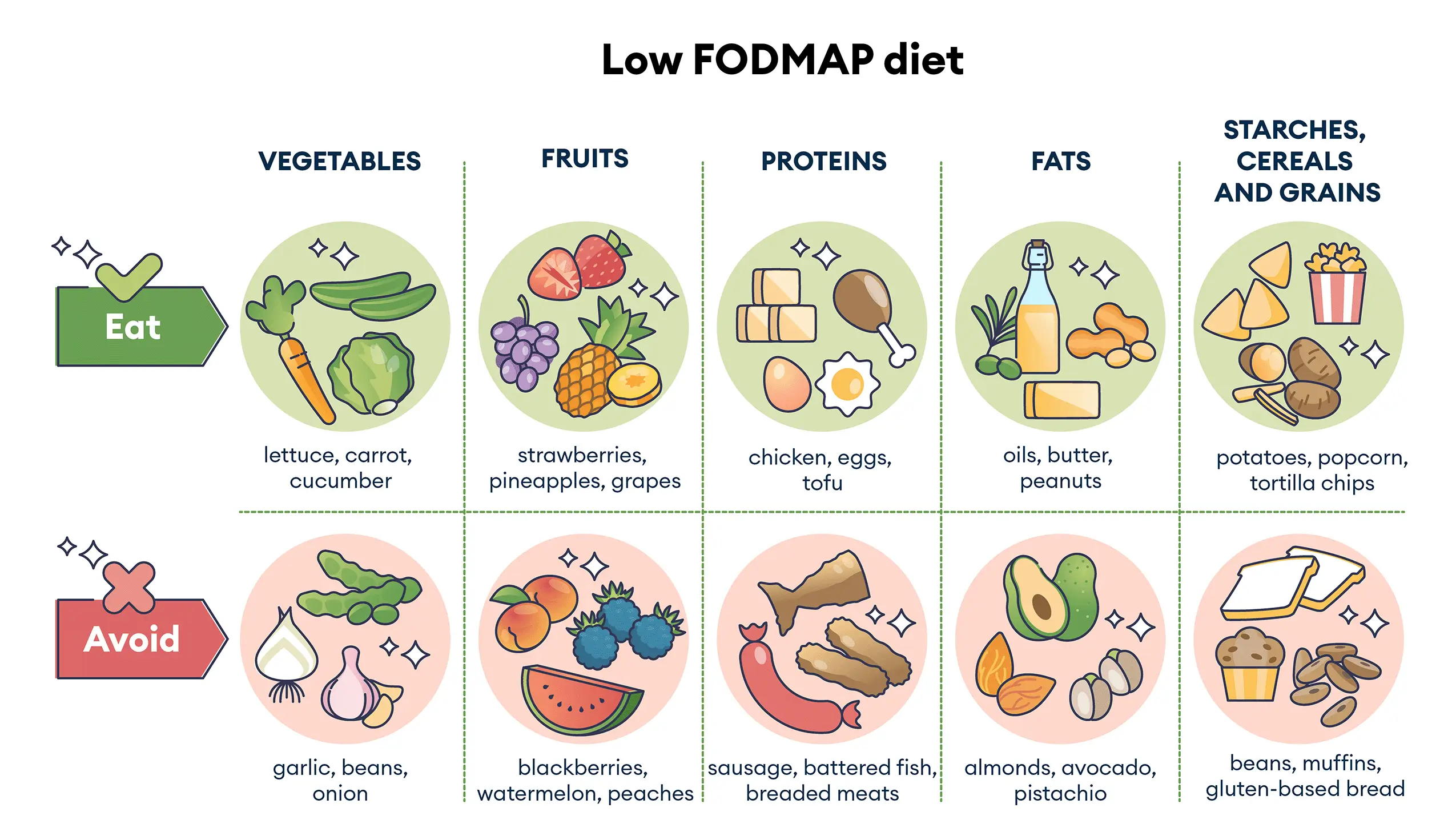
Hey there, fellow foodie! Grab a cuppa and let's chat about something that's been buzzing around the health scene - the low FODMAP diet and its weight loss potential. You might be thinking, "What on earth are FODMAPs?" Well, buckle up, 'cause we're about to dive in!
What's the low FODMAP diet all about?
Alright, so FODMAP stands for Fermentable Oligosaccharides, Disaccharides, Monosaccharides, and Polyols. Fancy, huh? They're a type of carbohydrate that can cause bloating, gas, and other tummy troubles in some people. The low FODMAP diet is basically a way of eating that limits these guys to help manage these symptoms.
Now, you might be wondering, "How does this relate to weight loss?" Great question! Let's explore.
Must Read
How can low FODMAP help with weight loss?
First things first, reducing your intake of high FODMAP foods often leads to eating more whole foods like fruits, veggies, lean proteins, and whole grains. These are all superstars when it comes to weight loss - they're packed with nutrients, keep you full, and help your body burn more calories.
Plus, when you're not dealing with bloating and discomfort, you're more likely to be active and make healthier choices. It's a win-win!
But here's the thing, everyone's different. Some people might find they lose weight on low FODMAP, while others might not. It's all about how your body responds to these foods.
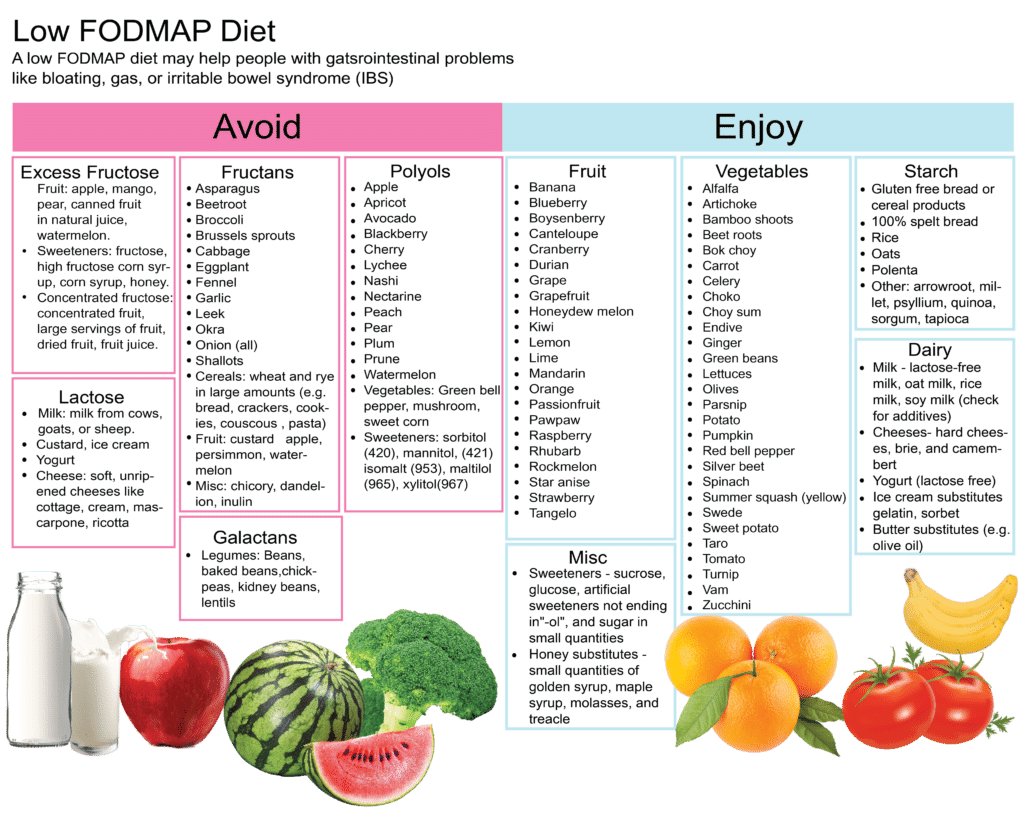 Low FODMAP Diet
So, what should I eat?
Great question! Here's a quick low FODMAP 101:
- Fruits: Bananas, oranges, grapes, and berries are your friends. Apples, pears, and peaches? Not so much.
- Vegetables: Leafy greens, carrots, and zucchini are A-OK. Broccoli, cauliflower, and onions? They're high FODMAP.
- Proteins: Lean meats, poultry, fish, eggs, and tofu are all good to go. Beans and lentils? They're high FODMAP, so limit them.
- Grains: Rice, oats, and quinoa are your pals. Wheat, barley, and rye? They're high FODMAP.
Remember, it's all about balance. The low FODMAP diet is a temporary solution to help manage symptoms. Once you've figured out your triggers, you can reintroduce foods and find a balance that works for you.
But wait, there's more!
Before you dive in, chat with your doc or a dietitian. They can provide personalized advice and make sure you're getting all the nutrients you need. And hey, don't forget to track your progress. Seeing those pounds drop (or stay off) can be super motivating!
So, there you have it! The low FODMAP diet and weight loss - a match made in heaven? Maybe, maybe not. But one thing's for sure, it's worth exploring if you're struggling with tummy troubles and want to shed a few pounds. Now, who's ready for a refill?
