Light Red Or Dark Red Kidney Beans For Chili

For many, the perfect bowl of chili is more than just a meal; it’s a comforting ritual on a cold evening, a staple of game-day gatherings, or a deeply personal family traditio...
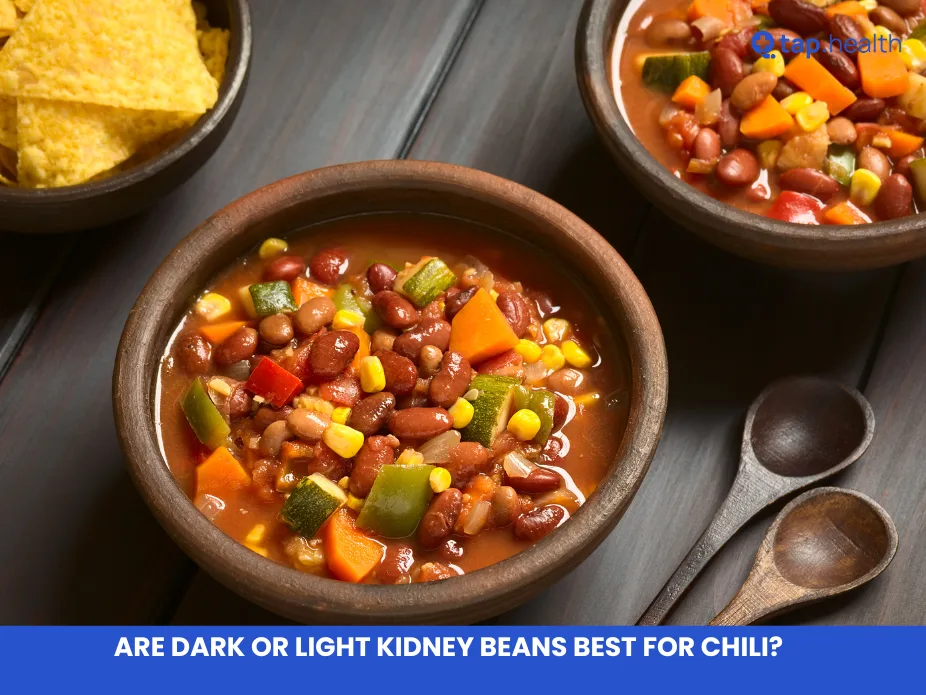
For many, the perfect bowl of chili is more than just a meal; it’s a comforting ritual on a cold evening, a staple of game-day gatherings, or a deeply personal family tradition. The slow simmer of spices, the rich aroma of cumin and paprika, and the satisfying heft of beans are central to this experience. Yet, one deceptively simple choice can subtly shift the entire character of your chili: the decision between light red kidney beans and dark red kidney beans. While both belong to the same species, their differences in texture, flavor, and appearance can play a critical role in achieving your ideal bowl.
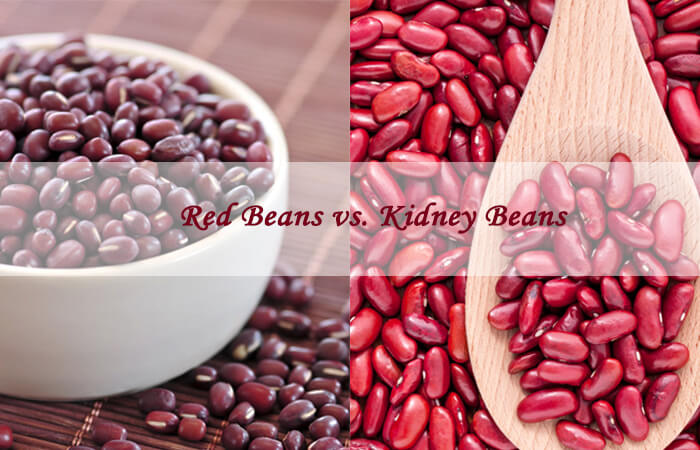
The key to understanding this choice lies in the bean’s texture and structure. Dark red kidney beans are known for their dense, creamy flesh and a sturdier skin that holds up remarkably well to long, slow cooking. If you are crafting a chili that simmers for hours, or one you plan to reheat the next day, dark reds are your stalwart companion. In contrast, light red kidney beans are slightly more delicate in texture, with a softer, more tender bite that breaks down more easily. They are perfect for a quicker, weeknight chili where you want the beans to meld into the sauce, releasing some of their starch to create a naturally thicker, silkier broth without adding cornstarch or flour.
Flavor is another arena where these two beans diverge, though subtly. Dark red kidney beans boast a robust, earthy flavor that can stand up to bold spices like chipotle, cayenne, and smoked paprika. Their deeper taste complements hearty, meat-heavy chilis (like Texas-style or beef chili) without getting lost. Take, for example, a competition-winning chili at a local cook-off: the cook will almost always choose dark reds for their ability to maintain their identity amidst a sea of ingredients. Light red kidney beans, however, offer a milder, slightly sweeter taste with a more neutral profile. This makes them an ideal canvas for vegetarian or turkey chilis, where the flavors of vegetables, beans, and leaner meats need to shine without being overpowered. A summer chili with fresh corn and zucchini would benefit from the gentle touch of light reds.
Must Read
Beyond the pot, the visual appeal of your chili is a practical consideration. Dark red kidney beans provide a dramatic, deep mahogany color that creates a rich, almost luxurious look on the plate. This is especially beneficial if you are serving chili in a white bowl or alongside bright green toppings like cilantro or scallions. Light red kidney beans, with their paler, pinkish hue, create a more rustic, country-style appearance. If your chili features vibrant yellow corn, red bell peppers, and green chilies, the lighter bean will allow those colors to pop, making the dish look as fresh as it tastes. For a family dinner table, this visual variety can make even the same recipe feel new and exciting.
To decide which bean is right for you, consider a simple scenario. Scenario A: The Planning Chef. You are prepping chili for a weekend party. You want it to stay chunky and hold its texture even after three hours on a slow cooker’s "warm" setting. Go with dark reds. They will keep their shape and provide a satisfying bite. Scenario B: The Busy Cook. You are making chili on a Tuesday after work, using canned beans. You desire a thick, slightly creamy sauce without extra steps. Go with light reds. Mash a few against the side of the pot with your spoon near the end of cooking; they will dissolve into the broth, thickening it naturally and adding a silky richness that dark reds can’t match.
 Red Kidney Beans | Bulk Nuts 4 You
Here are three simple tips to explore these beans on your own. First, always rinse canned beans thoroughly under cold water to remove excess sodium and improve their flavor absorption. Second, for a hybrid approach, try using half dark red and half light red kidney beans in your next batch. This gives you the structural integrity of the dark beans and the creamy, texture-enhancing properties of the light ones. Third, consider the cooking time: dried beans require significant planning and a longer simmer, but they offer superior flavor and firmness. If using dried, soak them overnight, then cook separately until tender before adding to your chili base—this prevents a mushy texture and ensures perfectly cooked beans every time.
Ultimately, the choice between light red and dark red kidney beans is not about right versus wrong, but about intention. It is a testament to the beauty of cooking that a single ingredient can offer so much nuance. When you approach your chili with awareness—considering its texture, flavor, color, and cooking time—you move from simply following a recipe to creating an experience. So next time you stand in the grocery aisle, don’t just grab a can. Pause, think about your evening, your guests, and your cravings. Let your choice of kidney bean be a deliberate, joyful step toward a chili that is uniquely, and perfectly, yours.