Legal Age To Serve Alcohol In Maryland

Serving alcohol is a responsibility that many young adults in Maryland consider an early step toward workplace independence. Whether working behind the bar at a local restaura...
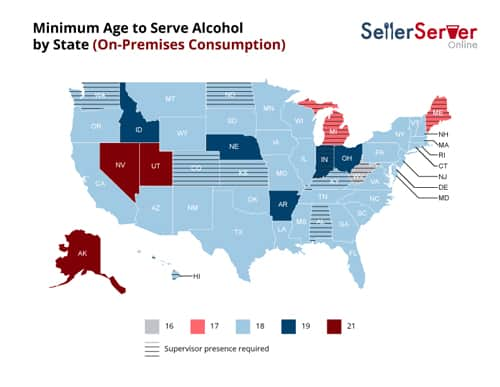
Serving alcohol is a responsibility that many young adults in Maryland consider an early step toward workplace independence. Whether working behind the bar at a local restaurant, pouring wine in a fine dining establishment, or managing a busy event, the ability to serve alcoholic beverages is a valued skill that opens doors to numerous employment opportunities. Understanding the legal age for alcohol service in Maryland is essential for anyone planning to enter this field or manage a compliance-focused business. The minimum legal age to serve alcohol in Maryland is 18 years old, a rule that impacts job seekers, employers, and the broader hospitality industry across the state.
The primary purpose of establishing a minimum serving age is to protect public health and safety. Alcohol consumption, when poorly managed or served without awareness of its effects, can lead to dangerous consequences such as impaired driving, underage drinking, and health complications. By requiring servers to be at least 18, Maryland ensures that those responsible for distributing alcoholic beverages possess enough maturity and understanding to recognize legal boundaries and potential risks. This regulation is part of a broader legal framework designed to balance personal freedom with community welfare, making the service of alcohol a task taken seriously by state lawmakers.
One of the most practical benefits of knowing this law is that it empowers young people to pursue careers in the food and beverage industry with confidence. For example, consider a 19-year-old college student looking for a part-time job in Baltimore. With the knowledge that they meet the minimum age requirement, they can confidently apply for a position as a beer server at a brewery or a cocktail assistant at a waterfront bistro. Without this awareness, many young workers might assume they need to be 21 years old to handle alcohol responsibilities, causing them to overlook valid and rewarding job options simply due to misinformation.
Must Read
For business owners and managers, understanding and enforcing Maryland's serving age law is equally critical. Imagine a restaurant owner hiring staff for their new location on the Eastern Shore. This owner would need to verify that every employee who pours, carries, or handles alcoholic beverages meets the state minimum age of 18. Failure to comply with this regulation can result in fines, suspension of a liquor license, or even criminal penalties. Moreover, establishments that fail to check ages properly risk losing customer trust and facing reputational damage, especially in tight-knit communities where word-of-mouth carries significant influence.
 Legal Alcohol Limits By State _ Alcohol Levels Chart – AFCBA
It is also important to note that while 18 is the statewide minimum, additional requirements may apply depending on the county or local jurisdiction. Certain areas in Maryland may impose stricter rules, and individual businesses often set their own internal policies that require servers to be 21 years old to avoid any complications with liquor-related incidents. Furthermore, the state encourages servers to complete alcohol awareness training programs that go beyond the basic age requirement, teaching them about responsible service techniques, recognizing signs of intoxication, and understanding their legal obligation to refuse service when necessary.
As a reader eager to explore this topic further, there are a few simple steps you can take on your own. First, consult the Maryland Comptroller's Office website, which provides detailed information about alcohol licensing and service regulations. Second, consider enrolling in an accredited alcohol service certification course, such as those offered by ServSafe or the Responsible Service of Alcohol program, to deepen your understanding. Third, always check with your local county liquor board, as ordinances may vary. These small actions can help you stay informed, remain compliant, and enjoy the many career opportunities that Maryland's thriving hospitality industry offers to those who respect both the law and the craft of serving others responsibly.