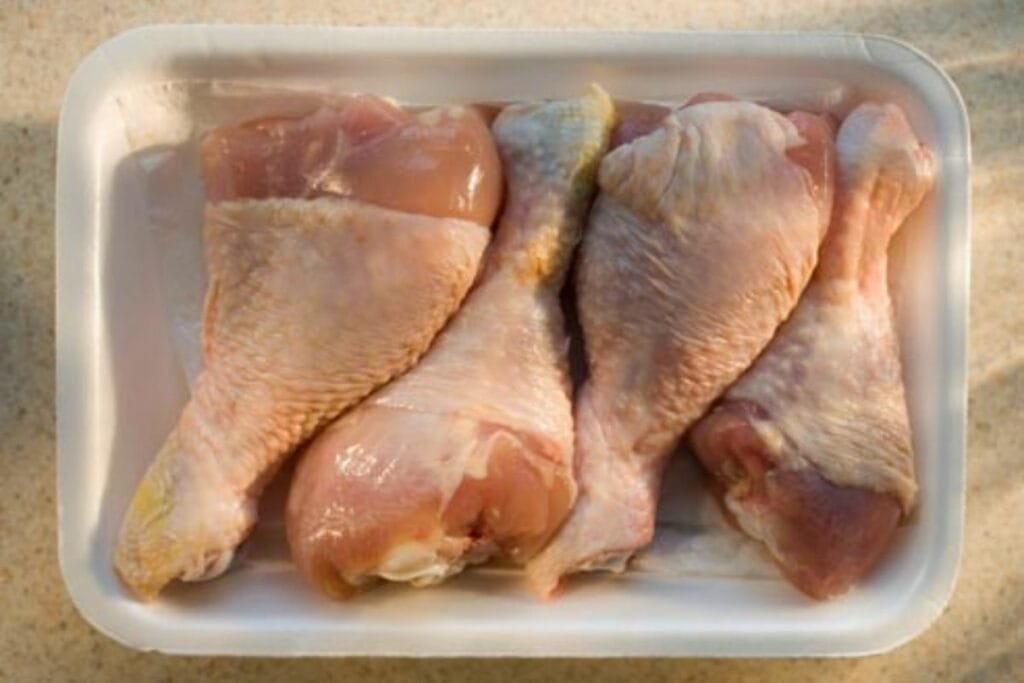
Left Uncooked Chicken Out Overnight

Welcome, brave culinary explorers and kitchen adventurers! You’ve just opened an article about a topic that sounds like a disaster movie—left uncooked chicken out overnight. B...

Welcome, brave culinary explorers and kitchen adventurers! You’ve just opened an article about a topic that sounds like a disaster movie—left uncooked chicken out overnight. But before you run screaming, hear me out: understanding this subject is less about endorsing a risky habit and more about mastering the science of food safety, saving you from a potential stomach-churning nightmare. The real purpose here is to equip you with the knowledge to avoid a common kitchen blunder, saving you money on wasted ingredients and keeping your dinner guests happy (and healthy). The advantage? You’ll become the household hero who knows exactly when to toss that chicken and when to stand firm, transforming a moment of panic into a calm, informed decision. Let’s dive into this juicy, slightly alarming, but ultimately essential topic.
So, you’ve just woken up, groggy and slightly horrified, realizing that the chicken you planned to roast for dinner is still sitting on the counter, now a relic of last night’s forgotten ambition. First, a moment of silence for that poor bird. The U.S. Department of Agriculture (USDA) has a strict rule: raw poultry should not sit out at room temperature for more than two hours. Why? Because bacteria like Salmonella and Campylobacter throw a wild party between 40°F and 140°F, doubling in number every 20 minutes. After eight to ten hours, that chicken isn’t just left out—it’s a microscopic rave. Think of it like this: you wouldn’t leave a carton of milk in a hot car overnight, so raw chicken deserves the same respect. The smell might not be obvious at first, but the invisible guests are thriving.
Let’s paint a creative, if slightly grim, picture. Imagine your counter as a tropical vacation spot for bacteria. They arrive as a few quiet tourists, but by the six-hour mark, they’ve built a water park and a nightclub. Your uncooked chicken is now a biological theme park. For example, if you left a whole chicken out, the bacteria on the surface will feast, but they can also migrate into the deep tissue through the meat’s natural moisture. By morning, that bird is less “dinner” and more “biohazard experiment.” On the flip side, think of how you’d explain this to a friend: “Hey, I left my chicken out overnight—should I cook it anyway?” The fun answer is: No, because cooking might kill the bacteria, but it won’t neutralize the toxins they already produced. Those heat-resistant toxins are what cause food poisoning, making even a cooked chicken potentially dangerous. This is why the two-hour rule isn’t just a suggestion; it’s a survival tip masquerading as a guideline.
Must Read
Now, let’s get practical with some real-world examples. Suppose you marinated chicken tenders and forgot them on the counter after a long day. You might be tempted to rinse them off and proceed—don’t. Rinsing only spreads bacteria around your sink. The smartest move is to toss them. But here’s a creative twist: if you accidentally left a frozen chicken out to thaw on the counter overnight, it’s technically in the “danger zone,” but if the center is still icy (a rare miracle), you can immediately cook it to 165°F. However, this is a gamble. A better habit is to thaw chicken in the fridge, where it stays safe below 40°F. Another example: if you’re hosting a party and serving raw chicken on a platter, it’s fine for up to two hours total—after that, it’s a bacteria buffet. Use ice packs or a chilled serving dish to keep it cool, a simple hack that prevents overnight panic.
Here’s your practical advice, delivered as a trusty kitchen toolkit. First, always use a food thermometer to check internal temperatures, but only for chicken that hasn’t been left out for over two hours. For overnight chicken, the thermometer can’t save you. Second, develop a “chicken alarm” system: set a timer on your phone for 90 minutes after you place raw chicken on the counter. It’s a silly habit that works. Third, embrace the “smell test” cautiously—if raw chicken smells sour or like sulfur, it’s already off. But even if it smells fine, bacteria might still be lurking. The golden rule: when in doubt, throw it out. It’s cheaper than a doctor visit. Also, avoid the myth that freezing “resets” the clock; freezing doesn’t kill bacteria, it just pauses their growth. Once thawed, that overnight chicken is still a no-go.
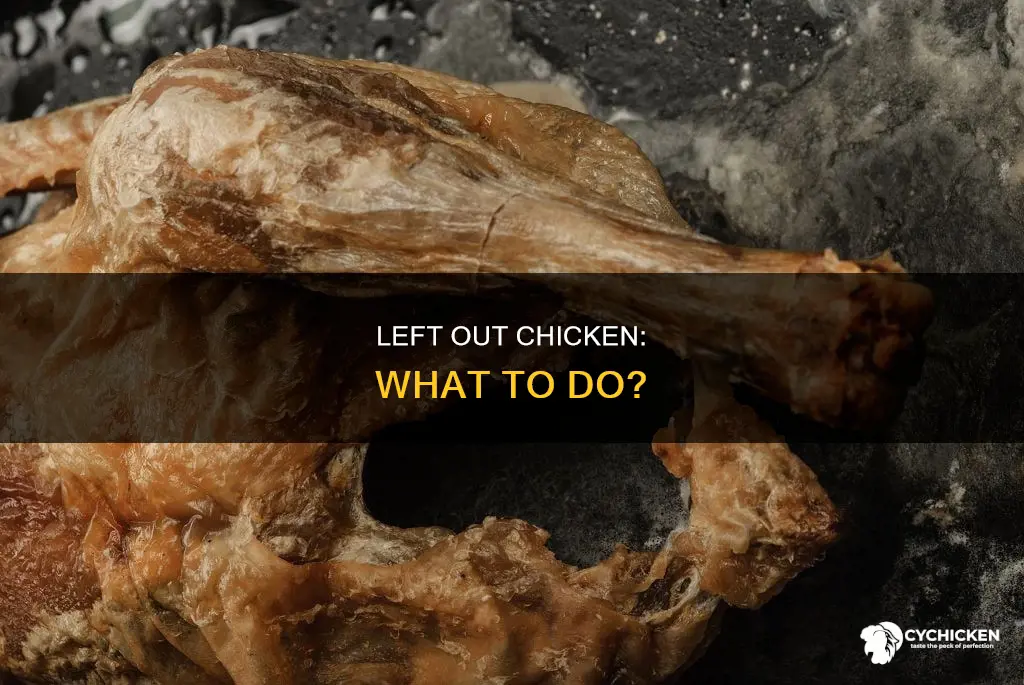 Left Out Chicken: What To Do? | CyChicken
For those who want to avoid this drama entirely, consider a few fun alternatives. Pre-portion your chicken and freeze individual pieces. That way, you only thaw what you need, reducing waste. Another idea: invest in a smart thermometer that alerts your phone when your fridge door is left open or when food is left out too long. It’s like a guardian angel for your groceries. If you love meal prep, cook your chicken in bulk and store it properly in the fridge, so you never have to deal with raw chicken basketball on the counter. And finally, laugh about it. Every cook has had a chicken-out-nightmare. The key is to treat it as a learning moment—now you know that the two-hour rule is your best friend, and your breakfast isn’t worth a gamble with bacterial bowling.
In conclusion, leaving uncooked chicken out overnight is a ticket to a one-way ride on the “food poisoning express.” But with this knowledge, you’re no longer a helpless victim—you’re a safety pro. Embrace the power of the refrigerator, respect the two-hour rule, and remember that your health is worth more than a forgotten bird. The next time you wake up to a counter chicken, don’t panic. Smile, toss it, and treat yourself to takeout. Your stomach will thank you, and you’ll have a great story to tell at dinner parties—just don’t serve that chicken.