Leavening Agents In Quick Breads

There is a deep, almost primal satisfaction in pulling a freshly baked loaf of banana bread from the oven, the kitchen filled with a sweet, nutty aroma. For many, the joy of q...

There is a deep, almost primal satisfaction in pulling a freshly baked loaf of banana bread from the oven, the kitchen filled with a sweet, nutty aroma. For many, the joy of quick breads—muffins, scones, cornbread, and soda bread—lies in their immediate reward. Unlike yeast breads that demand hours of patience, quick breads are the gift of speed, ready to eat in under an hour. This convenience is a treasure for busy weeknights, lazy Sunday mornings, or rushed school-day breakfasts. The secret behind this magic? It all comes down to the leavening agents that work silently but powerfully to create the light, tender crumb we crave.
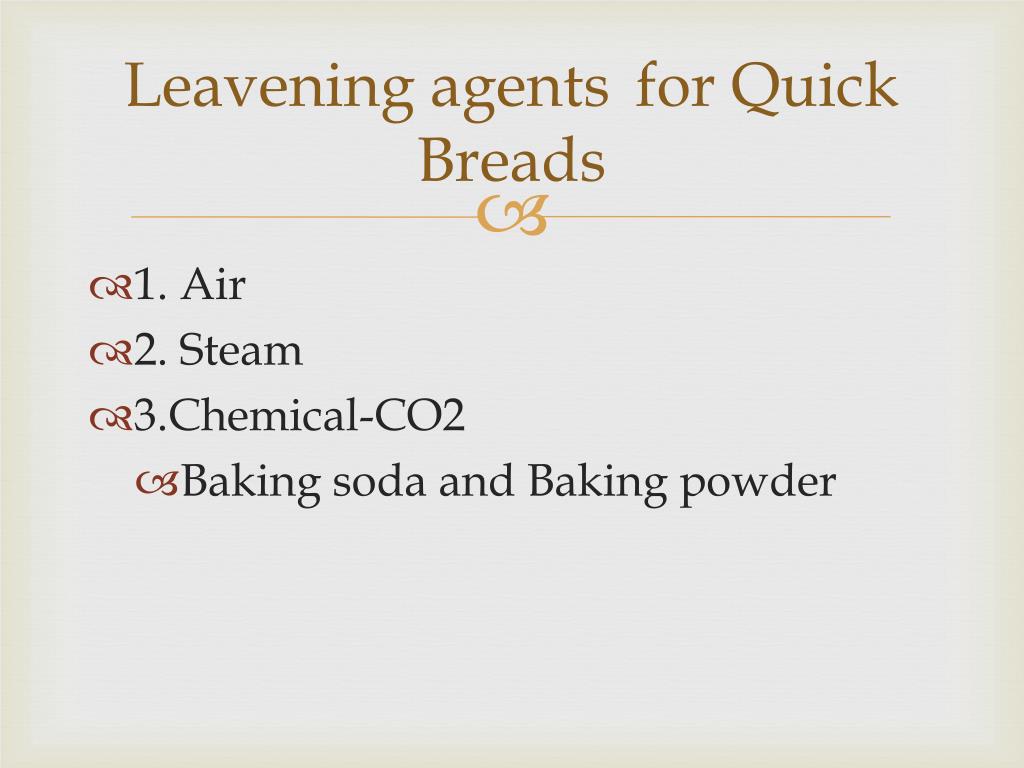
The primary purpose of a leavening agent in quick breads is to introduce gas into the batter, causing it to rise and develop a soft, airy texture. Without it, your muffin would be a dense, heavy hockey puck, and your cornbread a sad, flat disc. Specifically, quick breads rely on chemical leaveners—baking soda and baking powder—rather than biological ones like yeast. These compounds react with moisture, heat, or acid to produce carbon dioxide bubbles. These bubbles expand in the oven, pushing the batter upward and creating the network of tiny holes that makes a crumb light and tender. This process is immediate and reliable, which is why you can mix, pour, and bake without waiting.
This speed offers profound benefits for everyday life. Imagine a Tuesday evening when a sudden craving for chocolate chip scones hits, or when you realize you have overripe bananas that must be used now. With quick breads, you can have a warm, homemade treat on the table in thirty to forty minutes—no planning, no proofing. This accessibility turns baking from a daunting project into an accessible, joy-filled tool for comfort, hospitality, and creativity. It allows a parent to whip up muffins for a school bake sale the night before, or a college student to bake a small loaf of lemon gingerbread for a study group—all because chemistry is on your side.
Must Read
Context is key when choosing your leavener. Baking soda requires an acidic ingredient (like buttermilk, yogurt, lemon juice, or vinegar) to activate. If your recipe calls for buttermilk, you need baking soda. Baking powder, on the other hand, contains both an acid and a base, so it activates with just moisture and heat—perfect for recipes without acidic ingredients. Most quick breads use one or the other, or sometimes both, to balance flavor and rise. A common mistake is using baking powder in a recipe with acidic milk—the result can be a bitter, soapy taste. Always read your recipe carefully and understand what your leavener needs to work its magic.
For the home baker, a few simple tips make exploring leavening agents effortless. First, never overmix your batter. Once you add the liquid to the dry ingredients, stir just until the flour is moistened—lumps are fine. Overmixing develops gluten, which makes quick breads tough and dense instead of tender. Second, always check the expiration date on your baking soda and baking powder. Old leaveners lose potency, leading to flat, sad results. A quick test: drop a teaspoon of baking powder into hot water—it should fizz vigorously. For baking soda, a splash of vinegar will do the same. Finally, consider room temperature ingredients (eggs, milk, butter) unless the recipe says otherwise; they blend more evenly, ensuring bubbles form uniformly for a consistent rise.
 PPT - Quick Breads PowerPoint Presentation, free download - ID:2882587
Another valuable tip is to adjust for altitude if you live a mile or more above sea level. High altitude often requires slightly less baking soda or baking powder, because lower air pressure causes bubbles to expand too fast, collapsing the structure. A good rule is to reduce chemical leavener by 1/8 to 1/4 teaspoon per teaspoon called for, and to add an extra tablespoon of liquid to compensate for faster evaporation. Also, fill your muffin tins or loaf pan only two-thirds to three-quarters full to leave room for the spectacular rise. Watching that dome form in the oven is a small, satisfying celebration of chemistry in action.
Ultimately, leavening agents transform simple ingredients into something sublime. They are the silent partners in every muffin, scone, and loaf of banana bread that brings warmth and connection to your table. Whether you are a seasoned baker or a curious beginner, understanding the role of baking soda and baking powder empowers you to experiment with confidence. Try swapping buttermilk for milk with a squeeze of lemon in your favorite recipe, or experiment with a gluten-free flour blend—the leavening agent will adapt with you. Each batch is a small, personal victory over time and gravity, a delicious reminder that with the right chemistry, anyone can create comfort in under an hour.