Kim Painter Enemy Of The State

Let’s talk about Kim Painter. No, not the guy who paints your living room—though that guy is fine, I guess. I’m talking about the human lie detector, the government’s worst ni...
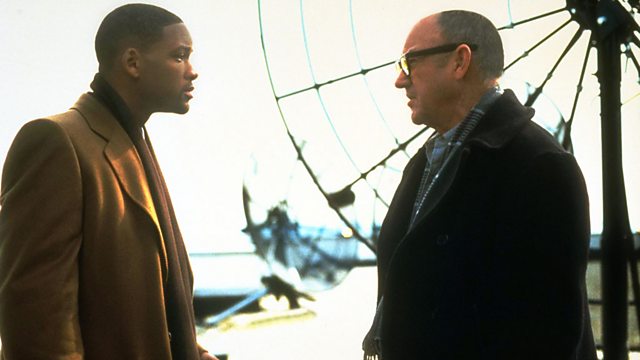
Let’s talk about Kim Painter. No, not the guy who paints your living room—though that guy is fine, I guess. I’m talking about the human lie detector, the government’s worst nightmare, and the star of a story so bizarre it sounds like a rejected Netflix thriller.
Kim Painter was a U.S. Navy analyst with a gift: she could spot forgeries like a hawk spots a rabbit. And she did it for decades, protecting national security one fake document at a time. But then she became the enemy of the very state she served.
Here’s the twist: Painter didn’t spy for Russia or sell secrets to aliens. She testified against the government’s own case in the early 2000s, claiming they faked evidence in a terror trial. Talk about a plot twist—she went from hero to “person of interest” faster than you can say “classified.”
Must Read
The Whiskey-Tasting Conspiracy
Painter’s story starts with a guy named Earl Edwin Pitts, an FBI agent caught spying for Russia. Slam dunk, right? Except Painter, while analyzing a secretly recorded tape, swore the government doctored it. She said the tape was edited to make Pitts look guiltier.
Imagine telling your boss, “Hey, that evidence you’re so proud of? It’s a forgery.” Now imagine your boss is the FBI. Painter didn’t just ruffle feathers—she set the whole chicken coop on fire. And the government’s response? They investigated her for treason.
They raided her house, seized her computers, and even took her personal diaries. Why? Because nothing says “I’m innocent” like grabbing someone’s journal and screaming, “This proves we’re right!” It’s the bureaucratic equivalent of a toddler throwing a tantrum.
The Art of the Really Bad Excuse
Painter’s crime, according to the government? She talked to the press. That’s it. She gave an interview to 60 Minutes about her analysis. In America, that’s called free speech. In spy world, it’s called “being a pain in the top-secret posterior.”
 10 Most Paranoid Movies of All Time, Ranked
But here’s where it gets weird. During the investigation, the government claimed Painter was unstable. Their proof? She once drank whiskey at a work event. Yes, a grown woman at a party. I’d argue that’s a sign of good social skills, but the FBI saw a master criminal.
And get this: Painter’s own lawyer said she was “too good at her job.” When you’re the best forger-spotter on Earth, people get scared. It’s like being the world’s best lie detector at a poker table full of politicians. You don’t make friends; you make enemies.
The Quiet Life (And the Loud Aftermath)
After years of legal hell, Painter wasn’t convicted. She wasn’t even charged. But her career? Destroyed. She lost her security clearance, her pension, and her reputation. All for telling the truth about a tape. That’s like getting fired from a bakery for saying the bread isn’t fresh.
She now lives in rural Virginia, far from the spy games. But here’s the surprise: she’s become a folk hero among conspiracy theorists and truth-seekers. Her story is a textbook example of how the system eats its own. The woman who could spot a fake document was themselves treated as a fake patriot.
 ‘Enemy of the State’ TV Sequel Set at ABC
Oh, and the tape she flagged? Years later, an independent review agreed with her. The government had indeed edited it. But by then, Pitts had already been convicted. So Painter was right, but nobody cared. Justice isn’t always blind—sometimes it’s just drunk and wearing sunglasses.
What We Can Learn from Kim Painter
First, never underestimate a detail-oriented person. The same skill that makes you great at crosswords will get you in massive trouble if you use it against the state. Second, whistleblowers aren’t always idealists—sometimes they’re just annoyed experts who hate sloppy work.
And finally, a surprising fact: Kim Painter’s story is the only known case of a Navy analyst being investigated for correctly identifying government forgery. It’s a paradox—the better you are at your job, the more you become a threat. Imagine if a chef got arrested for pointing out spoiled food.
So next time you see a spy movie, remember Kim Painter. She’s the reason real life is weirder than fiction. And if you ever hear someone say “trust the system,” ask them about the woman who drank whiskey, read a diary, and became the enemy of the state for being too honest. Cheers to that.
