Japanese Vs Chinese Vs Korean Chopsticks

Ever sat down at a restaurant, picked up a pair of chopsticks, and wondered why they feel so different every time? Whether you're slurping ramen in Tokyo, folding dumplings in...

Ever sat down at a restaurant, picked up a pair of chopsticks, and wondered why they feel so different every time? Whether you're slurping ramen in Tokyo, folding dumplings in Shanghai, or scooping kimchi in Seoul, the humble chopstick tells a story. Let's dive into this surprisingly fascinating topic — trust me, it's way more fun than it sounds!
The Japanese Chopstick: Slim, Chic, and a Little High-Maintenance
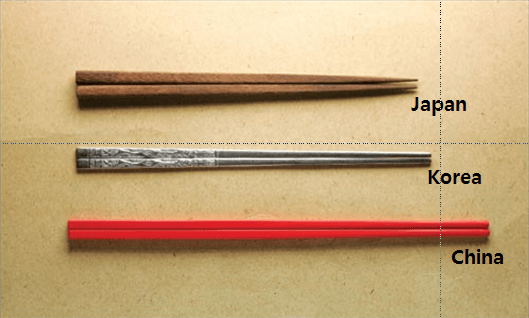
If chopsticks had a fashion runway, the Japanese ones would be walking it in silk. They are the slimmest and shortest of the bunch, almost like the princess of the chopstick world. They taper to a fine, pointed tip that's practically designed for delicate work.
This design isn't just for looks, though — it's actually incredibly practical. Japanese chopsticks are perfect for picking out bones from fish, separating grains of rice, or dissecting a delicate piece of sushi. If you've ever tried to navigate a bowl of miso with a bulky American fork, you already know what I mean.
Must Read
Types of chopsticks in Japan are a whole lesson in themselves. You'll find everyday throwaway waribashi at sushi counters, elegant lacquered pairs for formal meals, and even bamboo ones for eco-conscious diners. Each culture treats food as ceremony, and the utensil is part of that ritual.
The Chinese Chopstick: Bold, Versatile, and Kitchen-Ready
Now switch gears to China, and you'll notice something entirely different. Chinese chopsticks are typically longer, thicker, and blunter at the tips compared to their Japanese cousins. They look like they mean business — because, well, they do.
Why are they so chunky? Great question! The blunt ends make them ideal for grabbing larger or heavier pieces of food from communal dishes, which is how many traditional Chinese meals are shared.
 One Simple Way To Tell Korean, Chinese, and Japanese People Apart
But here's a cool cultural twist: Chinese chopsticks historically come in plain wood with no metal tips. Have you ever wondered why? The traditional Chinese writing and cooking style never required sharp, pointed instruments, so the blunt design just stuck around — and made total sense for stir-fries and shared plates.
Chinese chopsticks also tend to be the universal workhorses of the chopstick family. They're sturdy, easy to hold, and versatile enough to handle noodles, rice, vegetables, and everything in between. Honestly, if one set of chopsticks had to survive a lifetime of dinner parties, Chinese would probably win the durability contest.
The Korean Chopstick: Metal Predators with Attitude
Okay, now for the most surprising one of all — Korean chopsticks. Ready for it? Korea is basically the only country that traditionally uses metal chopsticks. Yes, shiny, flat, stainless-steel chopsticks. There's a reason they feel like you're trying to grip tiny dining swords.
 Japanese vs. Chinese vs. Korean chopsticks 2026 guide: Tradition, desi
Korean chopsticks are flat and rectangular rather than round, which makes them slippery at first. If you've ever tried picking up a slippery piece of korean fried chicken with them and failed beautifully, you're definitely not alone. The learning curve is real, but so is the cool factor!
Why metal? Historically, Korean royalty used silver chopsticks as a clever way to detect poison — silver would tarnish if it came into contact with toxic substances. It's one of those brilliant historical hacks that sounds like something straight out of a spy movie.
Modern Korean chopsticks are usually made of stainless steel, though silver-plated ones still exist for ceremonial occasions. They're hygienic, durable, and endlessly fascinating the first time you hold them. You'll probably fumble at first, but give it a week and you'll be scooping galbi like a pro.
 The Differences Between Chinese, Japanese, and Korean Chopsticks! And
Why Does This Even Matter? (Hint: It's Fun!)
Here's the thing about learning small differences like these: it makes everyday life feel like an adventure. You don't have to board a plane to experience another culture — sometimes you just need to pay attention at the dinner table. A simple pair of chopsticks can be a passport to understanding how millions of people see the world.
Differences in shape, length, material, and tip design all reflect deeper values — about sharing, ceremony, practicality, and even safety. When you choose one type of chopstick over another, you're actually choosing a cultural philosophy in your hand. How gloriously nerdy and wonderful is that?
Whether you're stacking up your collection at home, teaching a friend the proper grip, or simply adopting the one that feels best in your fingers, exploring chopstick culture is a delicious way to connect with the wider world. So the next time you pick up a pair at dinner, take a second to appreciate the centuries of history and ingenuity behind them.
Life is full of tiny moments waiting to be brushed with curiosity. Start with the chopstick, and who knows where your appetite for learning will take you next. You're just one small discovery away from a bigger, more fascinating world!
